How to Stay Current in Pain Medicine: Journals Podcasts & CME Habits

Introduction to How to Stay Current in Pain Medicine
Staying current in pain medicine is essential for clinicians aiming to provide safe, effective, and evidence-based care. With rapidly evolving research, new therapeutic modalities, and constantly updated clinical guidelines, maintaining expertise can feel overwhelming.
Fortunately, there are practical strategies to streamline continuous learning. By integrating pain medicine journals, podcasts, and structured CME habits, clinicians can stay at the forefront of their field while balancing a busy clinical schedule. In this article, we explore how to stay current in pain medicine and highlight key resources that make lifelong learning both effective and enjoyable.
How to Stay Current in Pain Medicine: Pain Medicine Journals
Peer-reviewed journals remain a cornerstone of continuous education in pain medicine. They provide high-quality evidence, detailed reviews, and updates on emerging therapies that can directly influence clinical practice.
Why Journals Matter
Reading journals regularly allows clinicians to critically evaluate research findings, incorporate new treatment modalities, and stay updated on best practices. Journals also reinforce foundational knowledge, which is critical when preparing for anesthesia board to review questions online or regional anesthesia online courses.
Key Journals to Follow
- Pain – Offers original research, systematic reviews, and clinical updates on all aspects of pain management.
- Regional Anesthesia & Pain Medicine – Focuses on interventional techniques, ultrasound-guided procedures, and procedural safety.
- The Clinical Journal of Pain – Provides evidence-based reviews, clinical trials, and commentary on novel pain therapies.
Tips for Incorporating Journal Reading
- Set up table-of-contents alerts for preferred journals to receive new articles automatically.
- Curated summaries or journal clubs can help digest complex studies quickly.
- Integrate into daily routines: consider short reading sessions during commutes or breaks.
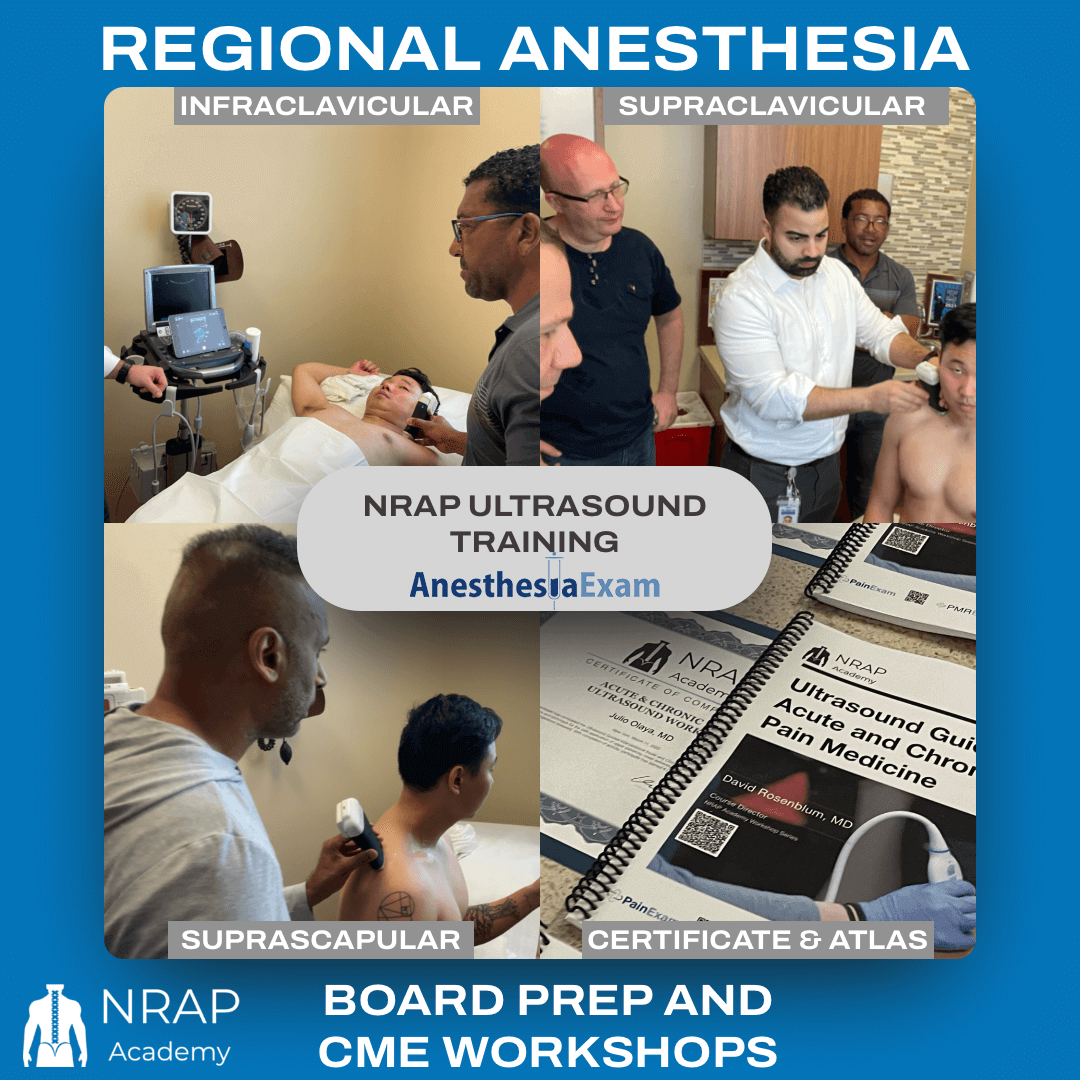
For clinicians seeking hands-on skill enhancement, pairing journal knowledge with online joint injection courses, ultrasound guided joint injection course, or ultrasound regional anesthesia course can reinforce the theoretical understanding with practical application.
How to Stay Current in Pain Medicine: Pain Medicine Podcasts
Podcasts have emerged as a flexible learning tool for modern clinicians. They allow busy practitioners to learn on the go—whether during commutes, gym sessions, or between clinical cases.
Why Podcasts Are Valuable
Podcasts provide quick access to expert interviews, case-based discussions, and evidence updates. Unlike journals, podcasts can make learning more engaging and digestible while exposing listeners to real-world clinical insights.
Recommended Podcasts
- Pain Exam Podcast – Offers detailed discussions on pain mechanisms, case studies, and expert perspectives. This podcast is an excellent example of combining educational content with practical takeaways for clinicians.
- Other leading pain medicine podcasts often cover topics from opioid stewardship to regenerative medicine techniques.
Tips for Maximizing Podcast Learning
- Schedule listening time: dedicate consistent blocks weekly for podcast episodes.
- Take notes: jot down key insights and references for future review.
- Apply learnings in practice: integrate new techniques from podcasts into procedures, such as guided injections, or discuss them with colleagues.
Podcasts are particularly helpful when paired with practical training such as joint injection courses online, ultrasound injection courses, or regenerative medicine online courses, reinforcing theoretical knowledge with procedural competence.
How to Stay Current in Pain Medicine: CME Habits for Lifelong Learning
Continuing Medical Education (CME) is the backbone of ongoing professional development. Structured CME helps clinicians maintain licensure, expand clinical skills, and ensure evidence-based practice.
Importance of CME
Regular CME engagement ensures that clinicians are aware of the latest guidelines, techniques, and emerging therapies in pain management. For physicians seeking pain management CME courses or cme pain management online, this structured learning translates into safer and more effective patient care.
Strategies for Effective CME Habits
- Set a CME Schedule – Dedicate consistent time for CME activities, whether weekly or monthly.
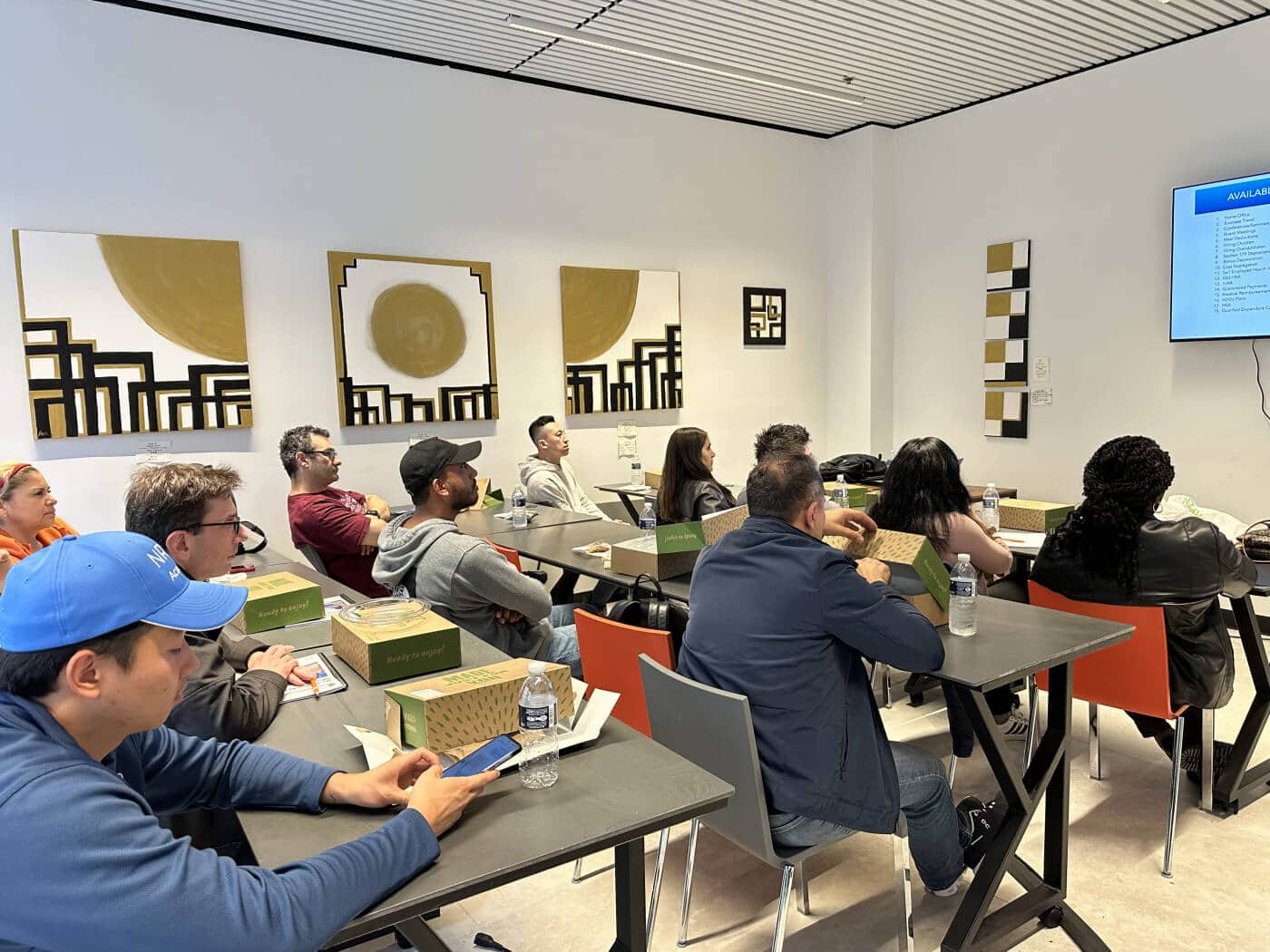
- Mix Learning Formats – Combine online courses, live workshops, and self-directed study to diversify knowledge.
- Track Progress – Maintain a log of completed CME credits and learning objectives to stay organized.
- Targeted Learning – Focus on areas of clinical interest or skill gaps, such as ultrasound guided joint injection course or regional anesthesia online course.
Adopting structured CME habits helps clinicians efficiently manage their time while maximizing the impact of their learning. For those seeking more advanced knowledge, regenerative medicine training courses and online courses offer specialized modules that can enhance both procedural and pharmacologic skills.
Combining Resources for Maximum Impact
Individual journals, podcasts, and CME are effective tools. When combined into a structured learning plan, they provide a comprehensive approach to staying current in pain medicine.
Integrating Resources
- Create a Learning Dashboard – Track journal alerts, podcast subscriptions, and CME credits in a single planner.
- Schedule Weekly Review – Dedicate time to summarize new articles, review key podcast takeaways, and reflect on CME learnings.
- Peer Discussion – Engage colleagues in discussion or journal clubs to reinforce knowledge and share practical experiences.
By integrating resources, clinicians can strengthen both theoretical knowledge and practical skills. Courses like joint injections course and ultrasound regional anesthesia courses complement reading and listening, allowing clinicians to immediately apply concepts learned from CME or podcasts.
How to Stay Current in Pain Medicine
Staying current in pain medicine requires a combination of diligence, structured habits, and engagement with diverse resources. By regularly reading pain medicine journals, listening to pain medicine podcasts, and cultivating strong CME habits, clinicians can ensure lifelong learning and optimal patient care.
Practical strategies include setting up alerts for journals, scheduling podcast listening, and maintaining a structured CME plan. Combining these methods with practical training opportunities—such as ultrasound injection courses, online joint injection courses, and regenerative medicine online courses—ensures a well-rounded approach to professional development.
Clinicians who adopt these strategies not only enhance their own competence but also contribute to improved patient outcomes, staying at the forefront of this rapidly evolving field.
FAQ
Q1: What are the best journals to stay current in pain medicine?
A1: Key journals include Pain, Regional Anesthesia & Pain Medicine, and The Clinical Journal of Pain. Using table-of-contents alerts can help streamline reading.
Q2: Are there podcasts for pain medicine clinicians?
A2: Yes. The PainExam Podcast is a leading example, providing case-based learning, expert interviews, and practical tips.
Q3: How can I maintain consistent CME habits?
A3: Create a weekly or monthly schedule, mix online courses with live events, track credits, and target learning areas relevant to your practice, such as ultrasound guided joint injection courses.
Q4: Are there online courses for procedural skills in pain medicine?
A4: Absolutely. Options include joint injection course online, ultrasound regional anesthesia course, and regenerative medicine online course for hands-on learning.
Q5: How can I integrate multiple learning resources effectively?
A5: Develop a personal learning dashboard, summarize insights from journals and podcasts weekly, and discuss learnings with peers to reinforce knowledge.