Innovative Non-Pharmacological Pain Treatments

Chronic pain affects millions worldwide, often leading to diminished quality of life and reliance on medications. While pharmacological treatments have their place, there's a growing emphasis on non-pharmacological approaches that offer effective pain relief without the associated side effects of drugs. At NRAP Academy, we are dedicated to educating healthcare professionals on these innovative treatments, ensuring they are well-equipped to provide comprehensive pain management solutions.
Understanding Non-Pharmacological Pain Management
Non-pharmacological pain management encompasses a variety of treatments and interventions that do not involve medications. These approaches can be used alone or in combination with pharmacological methods to enhance pain relief and improve patient outcomes.
Benefits of Non-Pharmacological Treatments
Non-pharmacological pain treatments provide a holistic and sustainable approach to managing pain. They focus on addressing the root cause of pain rather than merely masking symptoms.
1. Non-Pharmacological Pain Treatments Reduced Dependency on Medications
- Many conventional pain relief methods rely on opioids or NSAIDs, which can have severe side effects and risks, including addiction, gastrointestinal issues, and cardiovascular complications.
- Non-pharmacological treatments eliminate the need for long-term medication use, promoting natural healing mechanisms instead.
2. Multi-Faceted Pain Management
- Unlike medications that only target pain symptoms, non-pharmacological therapies focus on physical, neurological, and psychological aspects of pain.
- They reduce inflammation, restore mobility, and improve emotional well-being, ensuring long-term relief.
3. Personalized and Adaptive Treatment Plans
- Non-drug interventions can be tailored to each patient’s specific condition, pain level, and lifestyle.
- They offer flexibility in treatment by combining different modalities, such as physical therapy, ultrasound-guided interventions, and mindfulness techniques.
4. Empowering Patients Through Self-Management
- Patients are encouraged to take an active role in their pain management journey through education, movement therapy, and self-care techniques.
- This leads to improved patient autonomy and long-term health benefits.
5. Cost-Effective and Long-Lasting Relief
- Long-term medication use can be expensive and may require frequent dosage adjustments.
- Non-pharmacological approaches often provide lasting results with fewer recurring expenses, making them a financially sustainable option.
Innovative Non-Pharmacological Pain Treatments
Advancements in medical research have led to the development of several cutting-edge pain treatments that do not rely on drugs. Here are some of the most effective non-pharmacological methods available today.
1. Ultrasound-Guided Interventions
Ultrasound technology has transformed pain management by providing real-time imaging that enhances precision and effectiveness.
Applications of Ultrasound-Guided Pain Treatments:
- Nerve Blocks: Used to target specific nerves responsible for chronic pain.
- Joint Injections: Helps relieve pain caused by osteoarthritis, bursitis, and other joint conditions.
- Trigger Point Injections: Effective for muscle pain and tension-related conditions.
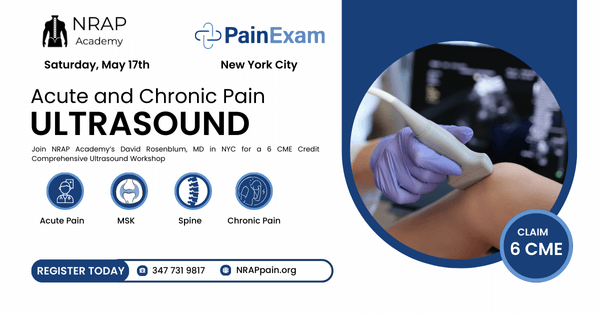
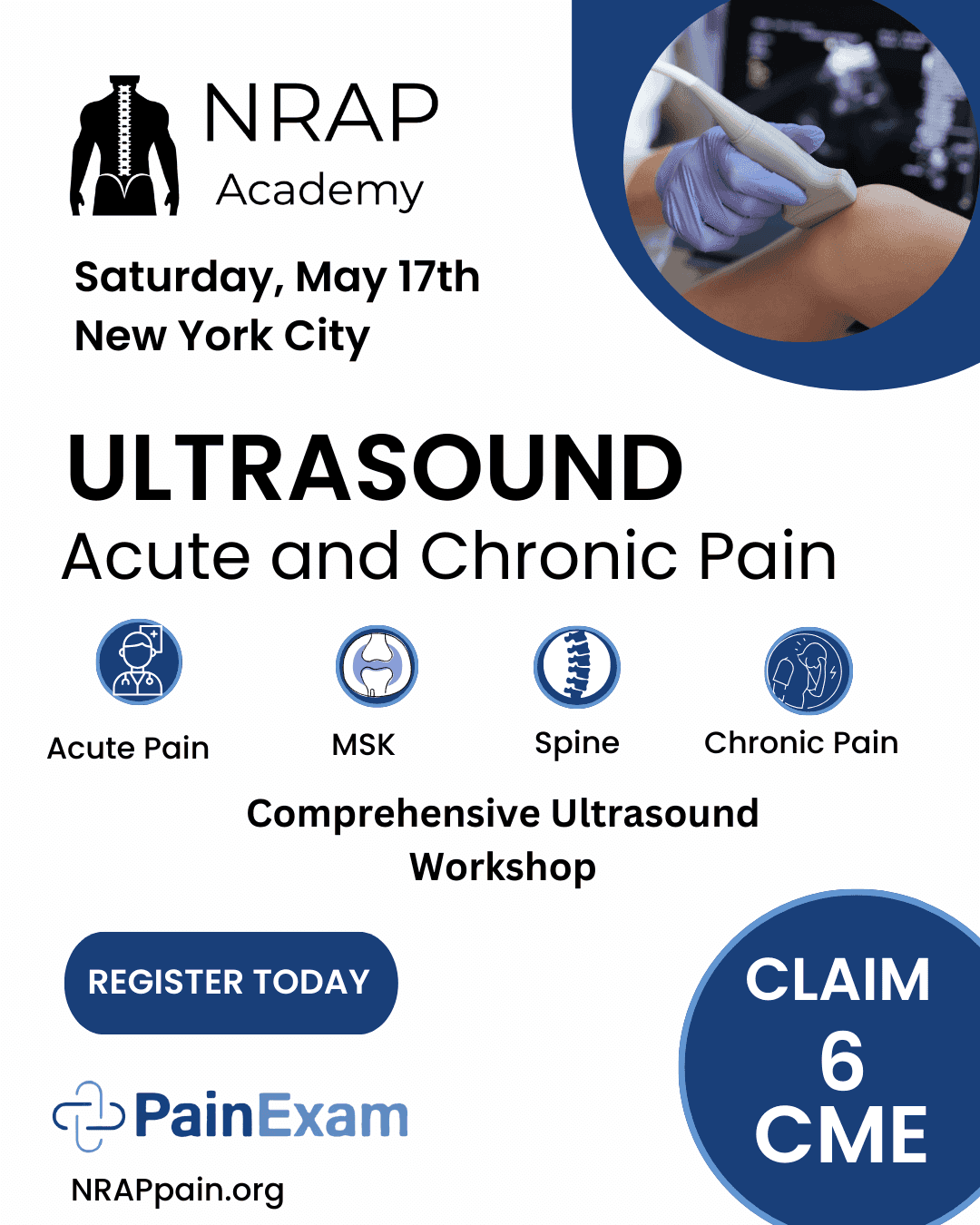
NRAP Academy offers ultrasound training to help healthcare professionals develop expertise in these procedures. Additionally, our Ultrasound Gallery showcases various techniques in action.
2. Regenerative Medicine
This cutting-edge field leverages the body’s natural healing abilities to repair damaged tissues and alleviate pain.
Key Regenerative Therapies:
- Platelet-Rich Plasma (PRP) Therapy: Uses concentrated platelets to accelerate tissue repair and reduce inflammation.
- Stem Cell Therapy: Utilizes stem cells to regenerate damaged cartilage, muscles, and ligaments.
For professionals looking to integrate these advanced treatments into their practice, NRAP Academy provides an extensive CME course on regenerative pain medicine.
3. Neuromodulation Techniques
These treatments use electrical stimulation to modify nerve activity and disrupt pain signals.
Popular Neuromodulation Methods:
- Spinal Cord Stimulation (SCS): Implants a device that emits mild electrical impulses, blocking pain signals to the brain.
- Peripheral Nerve Stimulation (PNS): Targets specific nerves responsible for chronic pain.
4. Acupuncture for Pain Relief
Acupuncture involves inserting thin needles into targeted points on the body to stimulate healing and reduce pain perception.
- Research shows acupuncture effectively reduces leg pain caused by herniated discs.
- It is commonly used for headaches, back pain, and musculoskeletal disorders.
5. Physical Therapy and Exercise-Based Treatments
Exercise-based interventions strengthen muscles, improve posture, and enhance mobility, reducing pain over time.
- Core Stability Exercises (CSE): Strengthens back muscles, improving spinal alignment and reducing lower back pain.
- Manual Therapy & Stretching: Helps alleviate stiffness and restore range of motion.
NRAP Academy incorporates exercise-based pain management strategies in its educational programs to help medical professionals recommend the best rehabilitation plans for their patients.
6. Psychological and Behavioral Interventions
Pain is not just a physical sensation; it is also influenced by psychological and emotional factors.
- Cognitive Behavioral Therapy (CBT): Helps patients reframe negative thought patterns associated with chronic pain.
- Mindfulness Meditation: Research has shown that mindfulness practices can reduce the perception of pain and improve coping strategies.
NRAP Academy's Commitment to Education
At NRAP Academy, we are dedicated to advancing pain management education and equipping healthcare professionals with the knowledge needed to implement non-pharmacological pain treatments effectively.
1. Comprehensive CME Courses
We offer a wide range of Continuing Medical Education (CME) courses designed to enhance practitioners' expertise in pain management:
Popular CME Courses:
- Pain Management Board Review and Refresher Course – Helps physicians prepare for certification exams.
- Regenerative Pain Medicine On Demand Course – Covers cutting-edge regenerative treatments.
- Ultrasound-Guided Pain Interventions – Teaches real-time imaging techniques for precision pain treatment.
2. Hands-On Ultrasound Training
NRAP Academy offers practical ultrasound training programs that allow practitioners to gain hands-on experience in ultrasound-guided interventions, a crucial skill for non-pharmacological pain management.
Summary
Embracing innovative non-pharmacological pain treatments is essential for advancing patient care and reducing reliance on medications. NRAP Academy is committed to empowering healthcare professionals through comprehensive education and training in these cutting-edge therapies.
Frequently Asked Questions (FAQs)
Q1: Are non-pharmacological pain treatments as effective as medications?
Yes, non-pharmacological pain treatments have been scientifically proven to be effective, especially for chronic pain conditions. Techniques such as ultrasound-guided interventions, regenerative medicine, physical therapy, and neuromodulation can provide long-term relief without the side effects associated with medications.
Q2: Who can benefit from non-pharmacological pain treatments?
These treatments are beneficial for individuals suffering from chronic pain, musculoskeletal disorders, nerve-related pain, arthritis, and sports injuries. Patients looking for drug-free alternatives or those who have not responded well to traditional pain medications can particularly benefit from these approaches.
Q3: Can healthcare professionals integrate these treatments into their practice?
Yes! Healthcare professionals, including physicians, physical therapists, and pain specialists, can enhance their skills through NRAP Academy’s CME courses. These courses cover ultrasound-guided interventions, regenerative medicine, and advanced pain management techniques.
Q4: What are the advantages of ultrasound-guided pain interventions?
Ultrasound-guided interventions offer real-time imaging, allowing precise targeting of pain sources. This minimizes risks, enhances treatment accuracy, and improves patient outcomes. Healthcare professionals can gain hands-on experience with NRAP Academy’s ultrasound training.
Q5: How does regenerative medicine help with pain relief?
Regenerative medicine treatments, such as Platelet-Rich Plasma (PRP) therapy and stem cell therapy, utilize the body’s natural healing mechanisms to repair damaged tissues, reduce inflammation, and promote long-term recovery. Learn more about these techniques in our Regenerative Pain Medicine CME Course.
Q6: Are there psychological techniques that help with pain management?
Yes! Cognitive Behavioral Therapy (CBT), mindfulness meditation, and relaxation techniques have been shown to alter pain perception and improve coping mechanisms. These methods are often used alongside physical therapy and neuromodulation to create a comprehensive pain management plan.