Opioid Use Disorder: An Observational Simulation Assessment

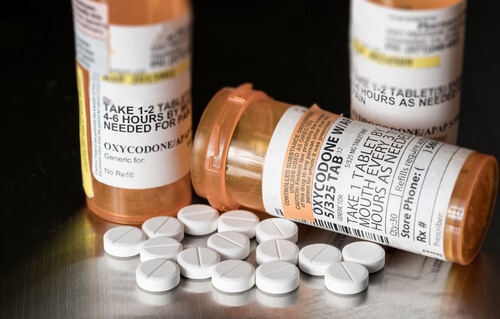
The US opioid crisis has undertaken society for several decades. A 2019 review found that with the recent emergence of stricter opioid management, many medical schools lack experienced faculty to teach and assess learning, thus curriculum immersion has been inadequate1. With the concurrent ascension of the coronavirus pandemic, increases in opioid overdose ED visits2 and 72,000 American deaths were seen in 2020, further complicating the issue3. These trends shape the importance of proactive opioid management. I participated in a multicenter study between Stanford and Duke University Department of Anesthesiology Pain Divisions examining pain medicine trainees assessment and management of opioid use disorder in a simulated setting.
The study involved IRB approved observational data collection between 2013-2021 from 75 standardized patient simulations. At two major university pain centers, anesthesia residents and pain fellows interacted with a standardized patient with underlying opioid use disorder. The authors coded the virtual and face to face interactions, trainees’ written notes and post-simulation patient surveys. Interactions were coded by if pertinent histories were discussed, how a diagnosis was framed and what recommendations were given.
Within the results, of 75 encounters, 13 (17.3%) trainees recommended buprenorphine, 16 (21.3%) trainees recommended addiction medicine consults, 58 (77.3%) trainees recommended pain psychiatry, and 14 (18.7%) trainees prescribed full refills of opioids on first visit.
We were able to conclude that this observational study demonstrated a lack of education for opioid alternatives and multidisciplinary consults during training. Amidst the opioid and coronavirus crises, the importance of teaching these concepts will be paramount in providing for better quality pain management.
 Suhas Kochat, MD, MBA
 currently serves as a senior resident physician in North Carolina. He spent four years in anesthesia residency at Duke University and now is finishing two years of internal medicine residency at Novant Health in NC. As a member of ASA Pain Committee, he is involved in policy making for various opioids prescribing practices, multimodal analgesia access policymaking and establishing pain education guidelines. He has published in several journals involving neuromodulation, pain telemedicine access, and pain education simulation research. He has presented in various pain conferences with emphasis on pain education research and neuromodulation. He will be continuing his pain journey as he is currently applying to chronic pain fellowship.
David Rosenblum, MD, currently serves as the Director of Pain Management at Maimonides Medical Center and AABP Integrative Pain Care. As a member of the Department of Anesthesiology, he is involved in teaching, research, CME activities, and was key faculty in developing the anesthesiology residency's regional anesthesia block rotation, as well as institutional wide acute and chronic pain management protocols to ensure safe and effective pain management. He currently is a managing partner in a multi-physician private pain practice, AABP Integrative Pain Care, located in Brooklyn and Garden City, Long Island. He is one of the earliest interventional pain physicians to integrate ultrasound guidance to improve the safety and accuracy of interventional pain procedures.
Dr. Rosenblum written several book chapters on Peripheral Neuromodulation, Radiofrequency Ablation, and Pharmacology. He has been named several times in NY Magazine's Best Pain Management Doctor List, Nassau County’s Best Pain Physician, has appeared on NY1 News, and has made several appearances on XM Radio's Doctor Talk. He currently is lecturing on a national and international level and has partnered with the American Society of Interventional Pain Physicians (ASIPP), Eastern Pain Association (EPA), the North American Neuromodulation Society (NANS), World Academy of Pain Medicine United, as well as various other organizations, to support educational events and develop new courses. Since 2008, he has helped over 3000 physicians pass the Pain Management Boards, and has been at the forefront of utilizing ultrasound guidance to perform pain procedures. He now hosts the PainExam podcast, AnesthesiaExam Podcast, PMRExam Podcasts and uses this platform to promote the safe and effective use of ultrasound in the performance of various procedures such as Peripheral Nerve Stimulation, Caudal Epidurals, Selective Nerve Root Blocks, Cluneal Nerve Blocks, Ganglion impar Blocks, Stellate Ganglion Blocks, Brachial Plexus Blocks, Joint Injections and much more!
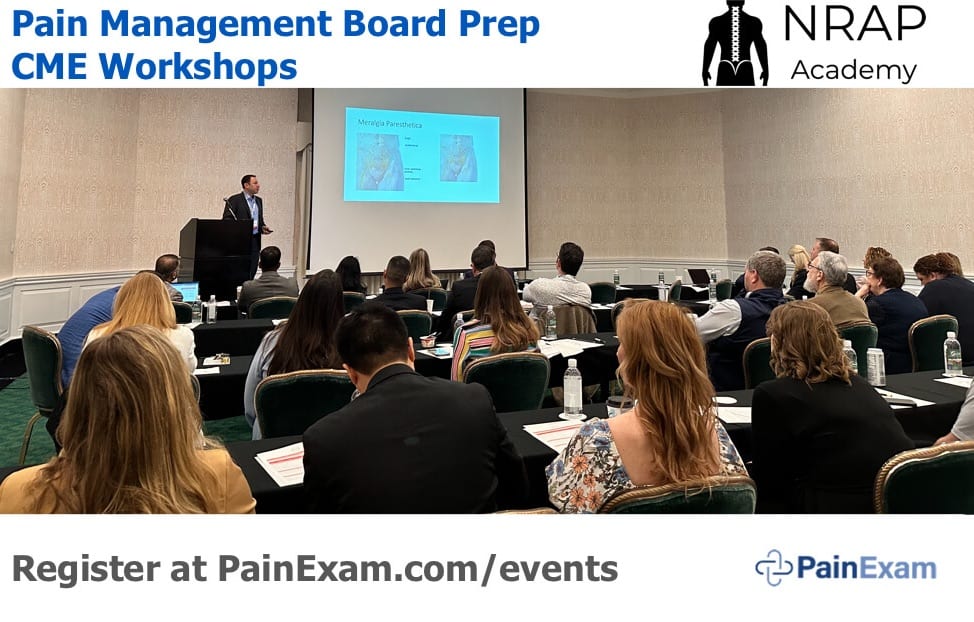
Doctor Rosenblum is a co-founder of the International Pain Academy and created the NRAP (Neuromodulation Regional Anesthesia and Pain) Academy and travels to teach various courses focused on Pain Medicine, Regenerative Medicine, Ultrasound Guided Pain Procedures and Regional Anesthesia Techniques.
Office based Pain Physicians, Physiatrists, Emergency Room Physicians, Anesthesiologists, Neurologists and Orthopedics who treat pain, utilize Neuromodulation and use PRP, Bone Marrow Aspirate or any other Biologics will benefit from this course.
Dr. Rosenblum is persistent when it comes to eliminating pain and has gained a reputation among his patients for thinking "outside the box" and implements ultrasound guidance to deposit medications, biologics (PRP, Bone Marrow Aspirate, etc.) and Peripheral Nerve Stimulators near pain generators.
He is currently treating patients in his great neck and Brooklyn office. For an appointment go to AABPpain.com or call
Brooklyn 718 436 7246
Garden City 718 436 7246
References
- Singh, Rohanit and Pushkin, Gary. How Should Medical Education Better Prepare Physicians for Opioid Prescribing? AMA J Ethics. 2019;21(8): E636-641.
- Holland KM, Jones C, Vivolo-Kantor AM, et al. Trends in US Emergency Department Visits for Mental Health, Overdose, and Violence Outcomes Before and During the COVID-19 Pandemic. JAMA Psychiatry. 2021;78(4):372–379.
- Czeisler MÉ, Lane RI, Petrosky E, et al. Mental health, substance use, and suicidal ideation during the COVID-19 pandemic—United States, June 24–30, 2020. MMWR Morb Mortal Wkly Rep. 2020;69(32):1049-1057.