The Career Path of a Pain Specialist: What to Expect
Introduction to a Career in Pain Medicine
Pain medicine is one of the most dynamic and impactful subspecialties in modern healthcare. It attracts physicians who want to improve the quality of life for patients suffering from chronic and acute pain while applying advanced diagnostic and interventional techniques.
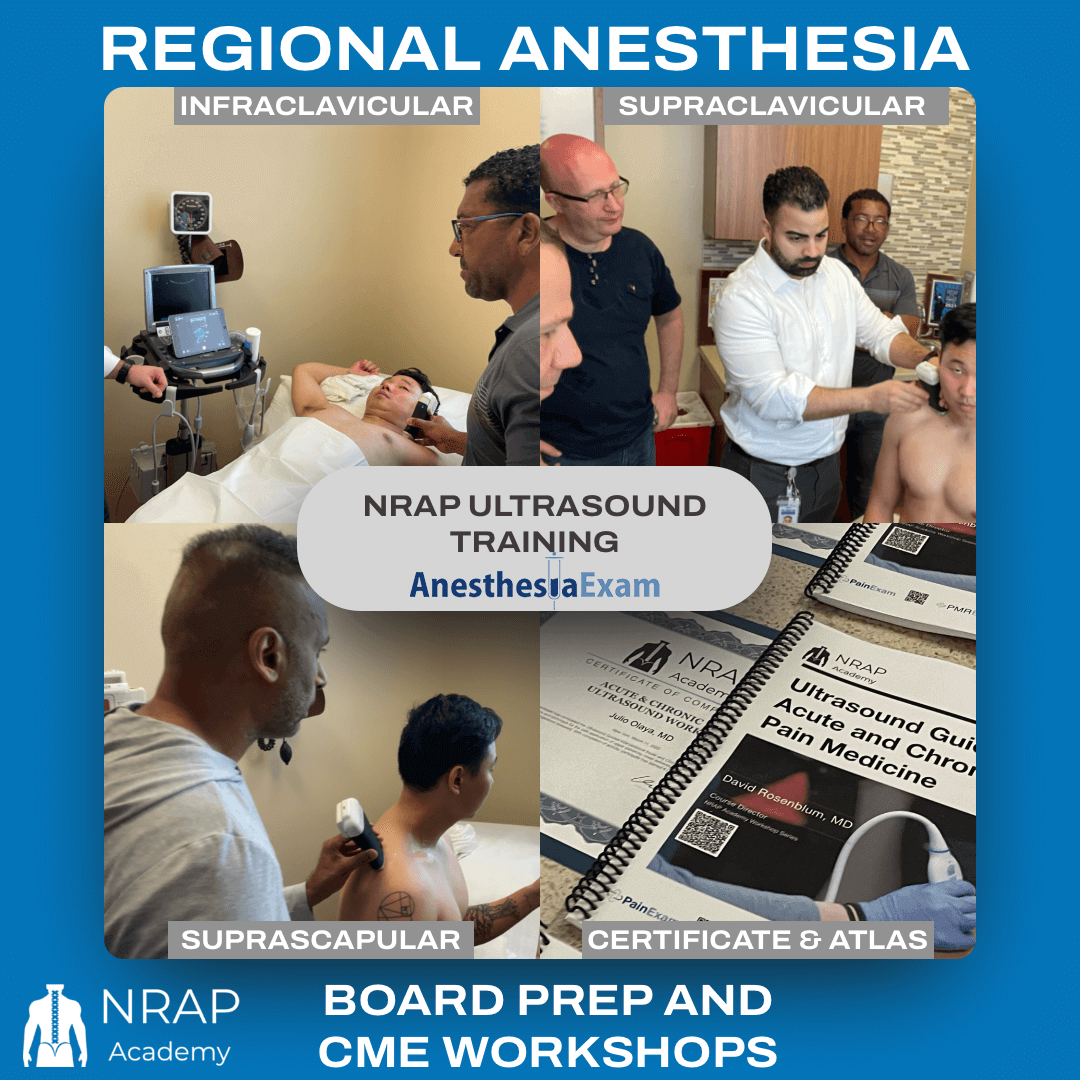
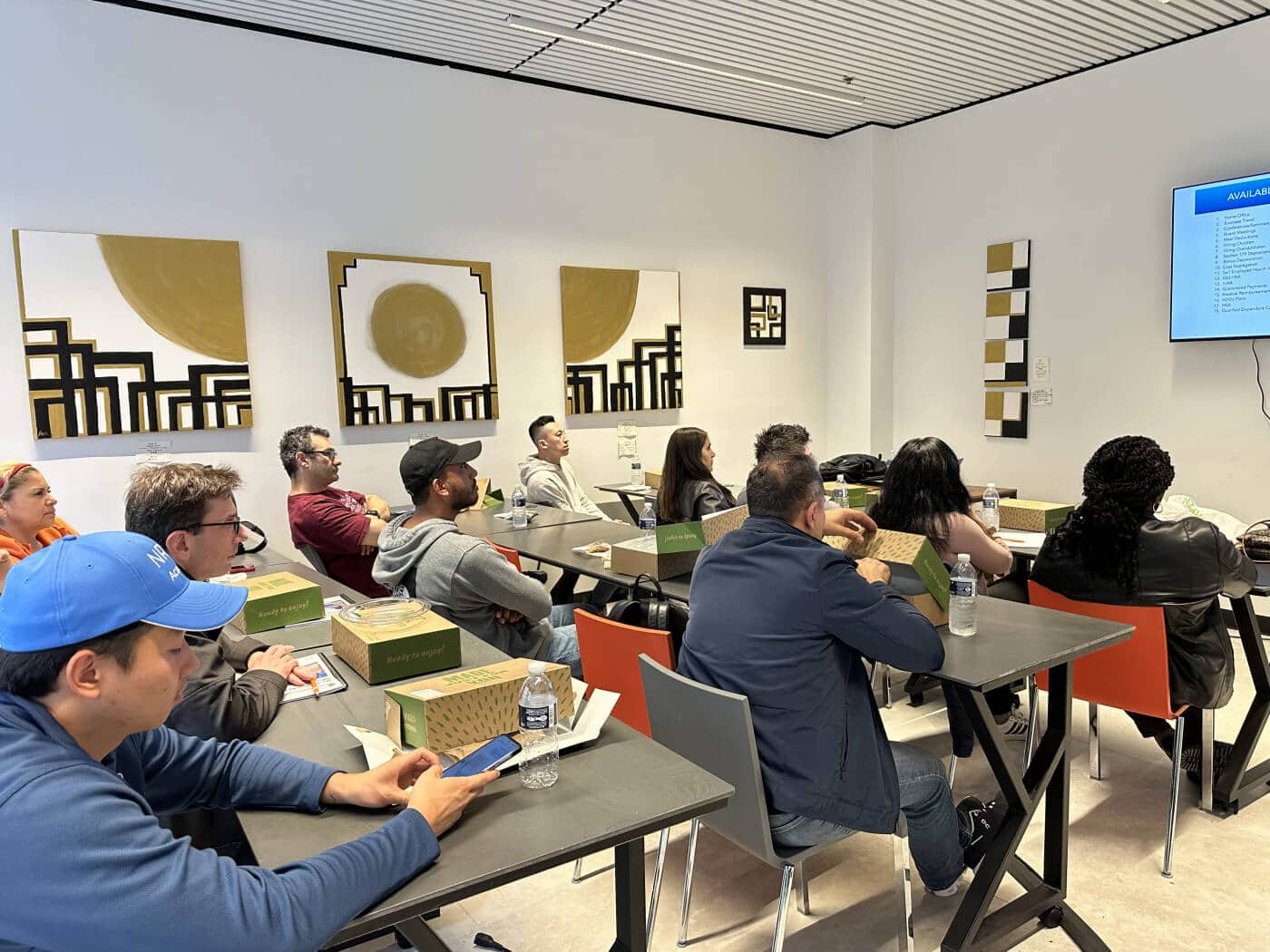
At the NRAP Academy, we help guide physicians at every step of their journey from early exploration to advanced fellowship training, through both in-person and virtual learning opportunities. If you’re a resident, anesthesiologist, or physician considering a career in pain management, understanding the structure, challenges, and rewards of this field can help you make a confident decision about your professional future.
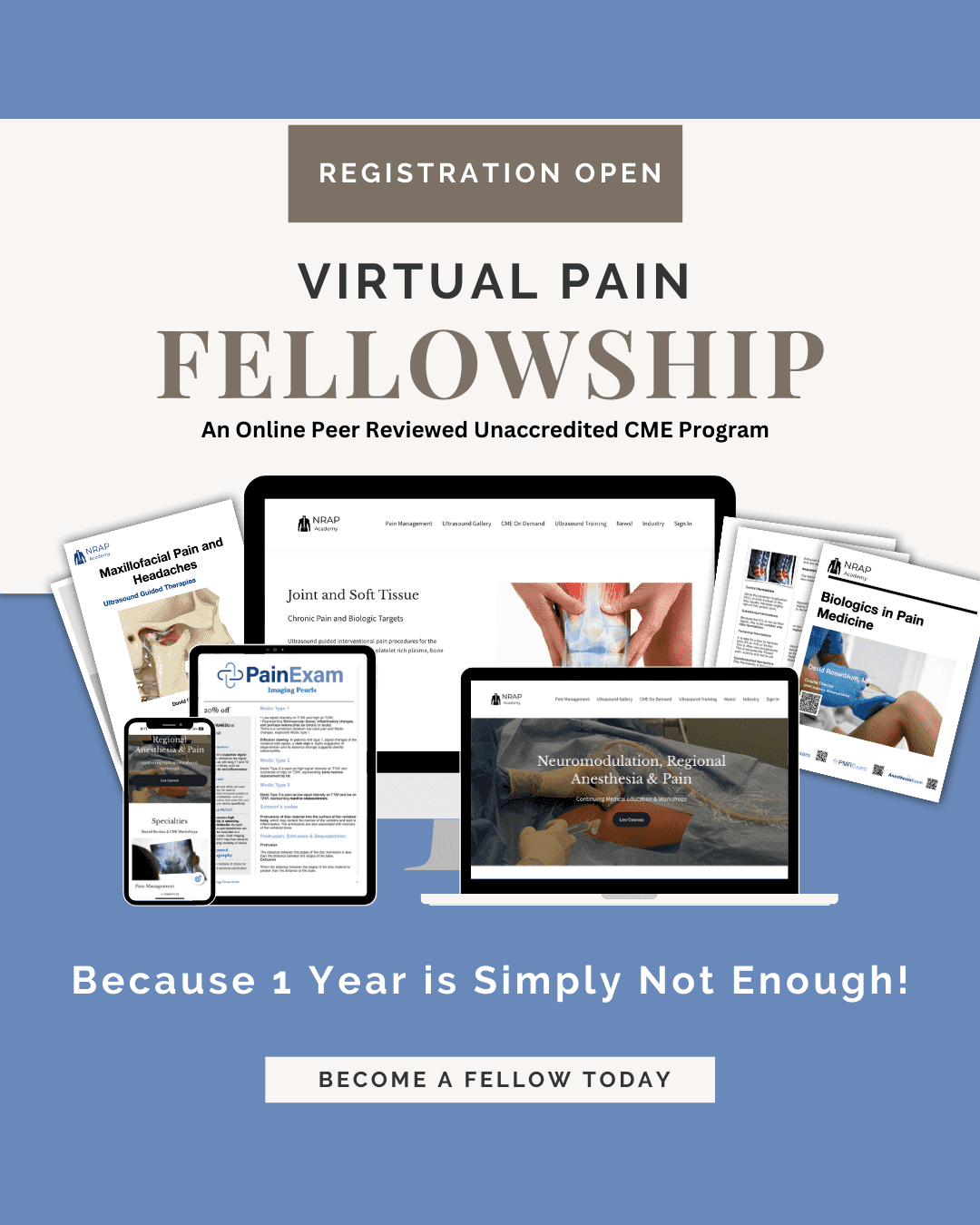
A career in pain medicine offers a perfect balance of intellectual challenge, patient connection, and procedural diversity. It’s a field where innovation meets empathy, and where your skills can directly transform lives. For those who wish to brush up on their skills, study for the pain boards or did not do a Pain Fellowship but are interested in training to treat pain, we offer the Virtual Pain Fellowhsip
Why Choose Pain Medicine as a Subspecialty
Pain medicine is more than just treating discomfort. It’s about understanding the complex mechanisms of pain, combining technology with compassion, and tailoring care for each individual. Physicians are drawn to this specialty for several reasons:
- The opportunity to make a lasting difference in patients’ daily lives.
- A multidisciplinary approach that integrates anesthesiology, neurology, physical medicine, and rehabilitation.
- The intellectual satisfaction of diagnosing complex pain conditions.
- The chance to perform advanced image-guided procedures and interventions.
For many clinicians, the appeal lies in being able to provide holistic and long-term solutions, not just temporary relief.
Understanding the Field of Pain Medicine
Pain medicine specialists focus on diagnosing, managing, and treating various types of pain, from acute postoperative pain to chronic neuropathic conditions.
What Pain Specialists Do
A pain specialist’s daily work involves evaluating patients, interpreting diagnostic imaging, developing treatment plans, and performing interventional procedures such as:
- Nerve blocks
- Epidural injections
- Spinal cord stimulation
- Radiofrequency ablation
- Regenerative Pain Medicine (PRP, BMAC)
- MILD
- Vertebrobasilar nerve ablation
- Cryoablation
- Ultrasound Guided Injections
- Peripheral Nerve Stimulators
- Kyphoplasty
They also collaborate with physical therapists, psychologists, and primary care providers to address pain from multiple angles.
The Growing Demand for Pain Management Experts
With an aging population and increasing recognition of chronic pain as a major health issue, the demand for skilled pain specialists continues to rise. Hospitals, outpatient clinics, and multidisciplinary pain centers are expanding their services, creating excellent job prospects for trained professionals.
Pain management is also a field that adapts quickly to new technologies—such as ultrasound-guided procedures, regenerative medicine, and neuromodulation—making it both stable and innovative.
Training in Pain Medicine
Becoming a pain specialist typically requires completing a fellowship after residency. However, understanding the training structure is key for physicians who want to plan ahead.
Pathways After Residency
Most pain specialists start their journey after completing a residency in:
- Anesthesiology
- Physical Medicine and Rehabilitation (PM&R)
- Neurology
- Psychiatry
After residency, candidates can apply for fellowships in pain medicine, which typically last one year.
Clinical Skills and Core Competencies Developed
During training, physicians acquire a wide range of competencies, including:
- Mastery of ultrasound and fluoroscopy-guided techniques
- Assessment of chronic pain syndromes
- Multidisciplinary treatment planning
- Pharmacologic management and opioid stewardship
These foundational skills prepare physicians to deliver safe, evidence-based care for diverse pain conditions.
Fellowships in Pain Medicine
A fellowship in pain medicine is the most important step toward specialization. It combines clinical experience with academic learning to help physicians gain proficiency in both procedural and cognitive aspects of pain management.
What to Expect During a Pain Fellowship
During a fellowship, trainees rotate through various clinical settings, such as:
- Outpatient pain clinics
- Interventional procedure suites
- Inpatient pain consultation services
- Multidisciplinary team meetings
They perform procedures under supervision, study pain physiology, and develop expertise in diagnosing and managing complex cases.
How to Choose the Right Program
When evaluating fellowship programs, consider factors such as:
- Faculty expertise and mentorship quality
- Case variety and procedural exposure
- Research and academic opportunities
- Work-life balance and learning environment
The right fellowship should not only build your technical skills but also support your professional growth and curiosity.
Virtual Learning and Fellowship Opportunities
Advancements in medical education have made it easier than ever to access pain medicine training, even remotely. Virtual programs offer flexibility and accessibility for busy physicians who want to expand their expertise.
The Role of Online and Hybrid Pain Training
Online learning has become an essential tool for continuing medical education. Virtual pain fellowships allow participants to:
- Learn theory and procedural principles through interactive modules
- Attend live lectures and case discussions with experts
- Access video libraries of interventional techniques
- Receive mentorship and evaluation from experienced faculty
NRAP Pain’s Virtual Fellowship Option
At NRAP Pain, our virtual fellowship program is designed for physicians who want to advance their pain medicine knowledge from anywhere in the world. The program offers a comprehensive curriculum combining theoretical education with real-world clinical insight, helping participants build confidence before hands-on training.
This model provides the perfect bridge between traditional education and modern flexibility, making it ideal for physicians who wish to balance learning with clinical practice.
The Career Path of a Pain Specialist: Certifications and Accreditation
Obtaining board certification in pain medicine demonstrates a physician’s competence, credibility, and dedication to high-quality patient care.
Board Certification in Pain Medicine Explained
Physicians who complete an accredited fellowship can sit for board exams in pain medicine. Certification ensures:
- Recognition of specialized training and expertise
- Eligibility for hospital privileges and insurance panels
- Enhanced job opportunities and academic credibility
Continuing medical education (CME) is also crucial to maintaining certification and staying current with evolving pain management practices.
The Career Path of a Pain Specialist: Job Opportunities and Career Growth
After completing training and certification, pain specialists have diverse career paths available to them.
Clinical Practice, Research, and Academic Roles and The Career Path of a Pain Specialist
Pain medicine offers flexibility to pursue different professional interests, such as:
- Clinical practice: Working in hospitals, ambulatory centers, or private practice.
- Research: Investigating new pain therapies or devices.
- Academia: Teaching future physicians and conducting educational workshops.
Subspecialty Growth and Long-Term Outlook
The field of pain medicine continues to expand with advancements in:
- Regenerative medicine and biologics
- Neuromodulation techniques
- Image-guided precision procedures
- Telemedicine and remote patient monitoring
This growth ensures that trained pain specialists remain in high demand and have opportunities to lead innovation in healthcare.
Challenges and Rewards in Pain Medicine
Like all medical fields, pain medicine has its challenges—but the rewards are profound.
Challenges of The Career Path of a Pain Specialist include:
- Managing complex patients with overlapping psychological and physical conditions
- Staying updated with evolving procedures and technologies
- Balancing clinical volume with patient-centered care
Rewards include:
- Seeing measurable improvements in patients’ lives
- Building long-term relationships with those you help
- The satisfaction of mastering both diagnostic reasoning and technical skill
For many physicians, these rewards outweigh the challenges, making pain medicine one of the most fulfilling specialties in healthcare.
How to Prepare for a Successful Career
Success in pain medicine begins with a commitment to continuous learning and professional development.
Mentorship, Networking, and Continued LearningThe Career Path of a Pain Specialist
- Seek mentorship from experienced pain specialists early in your career.
- Attend workshops, conferences, and simulation-based training programs.
- Engage in professional societies and academic discussions.
- Stay updated on the latest research and innovations.
Programs like NRAP Pain’s training opportunities help physicians bridge the gap between foundational knowledge and real-world expertise, setting them on a path toward excellence.
Conclusion: Shaping the Future of The Career Path of a Pain Specialist
A career in pain medicine offers an extraordinary blend of intellectual challenge, patient interaction, and procedural skill. As the field continues to evolve, physicians who pursue this path have the opportunity to redefine pain care through innovation and compassion.
Whether you’re exploring fellowship options or seeking to expand your current practice, NRAP Pain provides the resources and mentorship to help you grow. Our specialized programs and virtual fellowship opportunities are designed to support your journey every step of the way.
FAQs on The Career Path of a Pain Specialist
1. What are the prerequisites for training in pain medicine?
Applicants typically need to complete a residency in anesthesiology, PM&R, neurology, or psychiatry before applying for a pain fellowship.
2. How long does a pain medicine fellowship take?
Most accredited fellowships last one year and include both clinical and procedural training.
3. Is virtual training as effective as in-person programs?
Yes, virtual fellowships provide flexibility and access to expert instruction, making them a valuable complement to hands-on experience.
4. What certifications are required to practice pain medicine?
Board certification in pain medicine validates your expertise and is often required for hospital privileges and insurance credentialing.
5. What career options exist after fellowship completion?
Graduates can pursue clinical practice, research, teaching, or leadership roles in pain centers and healthcare organizations.