Understanding Central Post-Stroke Pain: Exploring the Complexities and Seeking Solutions
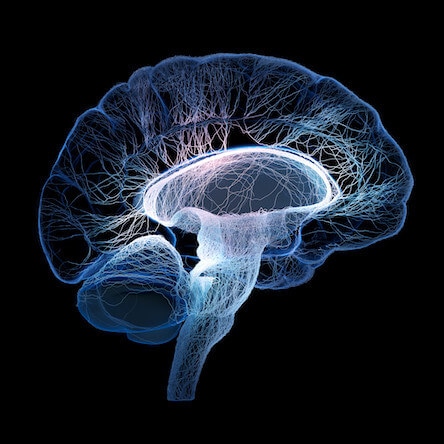
Central post-stroke pain (CPSP) is a devastating condition that affects numerous individuals who have experienced a stroke. This persistent neuropathic pain, characterized by sensations such as burning, shooting, or electric shocks, occurs in areas of the body affected by the stroke. CPSP significantly impacts patients' quality of life and functional recovery, underscoring the importance of physicians possessing a comprehensive understanding of its pathophysiology. In this episode of our podcast, we delve into the intricate mechanisms underlying CPSP, shedding light on its complexities and potential therapeutic avenues.
Earn CME Credit
The CE experience for this Podcast is powered by CMEfy - click here to reflect and earn credits: https://earnc.me/HQ69sg
Interventional Pain Physician, David Rosenblum, MD located in Garden City and Brooklyn Pain Physician, known for his work PainExam Podcast, PainExam Pain Management Board Review and NRAP Academy’s Continuing Medical Education Programs discusses Central post-stroke pain (CPSP).
Neuropathic Pain and Central Sensitization
Central post-stroke pain falls under the classification of neuropathic pain syndromes, which arise from dysfunction or damage to the nervous system. The pathophysiology of CPSP is multifactorial and intricate, often involving a phenomenon known as central sensitization. Central sensitization refers to the heightened excitability and responsiveness of neurons within the central nervous system (CNS) in response to peripheral input.

Cortical Reorganization and Plasticity
A key aspect of Central post-stroke pain's pathophysiology revolves around cortical reorganization and plasticity. Following a stroke, the brain undergoes structural and functional changes as a result of the injury. This neuroplasticity, particularly in the somatosensory cortex, can contribute to the development of CPSP. Maladaptive plasticity may occur, leading to abnormal sensory processing and the generation of pain signals in response to non-painful stimuli.
Disrupted Pain Modulation Pathways
The pain perception and modulation pathways within the CNS play a crucial role in regulating pain signals. In CPSP, these pathways can be disrupted, resulting in abnormal pain processing. Alterations in the descending inhibitory pathways, such as reduced inhibitory neurotransmitter release or impaired endogenous opioid system function, can lead to increased pain sensitivity and the persistence of pain signals even after the initial injury has resolved.
Inflammatory Processes and Neurotransmitter Imbalances
Inflammation within the CNS and imbalances in neurotransmitter systems also contribute to CPSP. Following a stroke, an inflammatory response occurs, involving the release of pro-inflammatory cytokines and activation of immune cells. This inflammation can sensitize nociceptive neurons, exacerbating pain signaling. Additionally, imbalances in neurotransmitters, including glutamate, serotonin, and norepinephrine, may disrupt normal pain processing pathways, further amplifying pain perception.
Peripheral and Central Lesions
Central Post Stroke Pain can arise from both peripheral and central lesions. Peripheral lesions, such as damage to the spinothalamic tract or thalamus, directly affect the transmission of pain signals. Central lesions involve damage to the somatosensory cortex, thalamus, or other brain regions involved in pain processing. Both types of lesions contribute to the development of CPSP through mechanisms such as altered neuronal activity, disrupted connectivity, and aberrant sensory processing.
Unraveling the Complexities for Targeted Therapies
The intricate interplay of cortical reorganization, disrupted pain modulation pathways, inflammatory processes, and peripheral and central lesions contributes to the development and persistence of CPSP. To alleviate the burden of this debilitating condition, further research is necessary to unravel the intricacies of CPSP's pathophysiology. By gaining a deeper understanding, we can pave the way for the development of targeted therapies that address the specific mechanisms involved in CPSP.
Join us in this episode of our podcast as we explore the fascinating world of CPSP and discuss the latest advancements in research and treatment options. Let's work together to improve the lives of stroke survivors and enhance their journey to recovery.
References
Liampas, A., Velidakis, N., Georgiou, T. et al. Prevalence and Management Challenges in Central Post-Stroke Neuropathic Pain: A Systematic Review and Meta-analysis. Adv Ther 37, 3278–3291 (2020). Link
Systematic Review article Front. Neurol., 18 August 2021Sec. Stroke Volume 12 - 2021. Link