The Importance of (Continuing Medical Education) CME in Pain Management
As medical science advances, so too does the field of pain management, a critical component of healthcare for millions of patients worldwide. Physicians, nurses, and other healthcare professionals treating pain-related conditions must stay informed about the latest innovations and methodologies. One of the most effective ways to ensure this is through (Continuing Medical Educatio) CME in Pain Management. For healthcare providers specializing in pain management, CME not only provides updated knowledge and skills but also ensures compliance with best practices, leading to better patient outcomes.
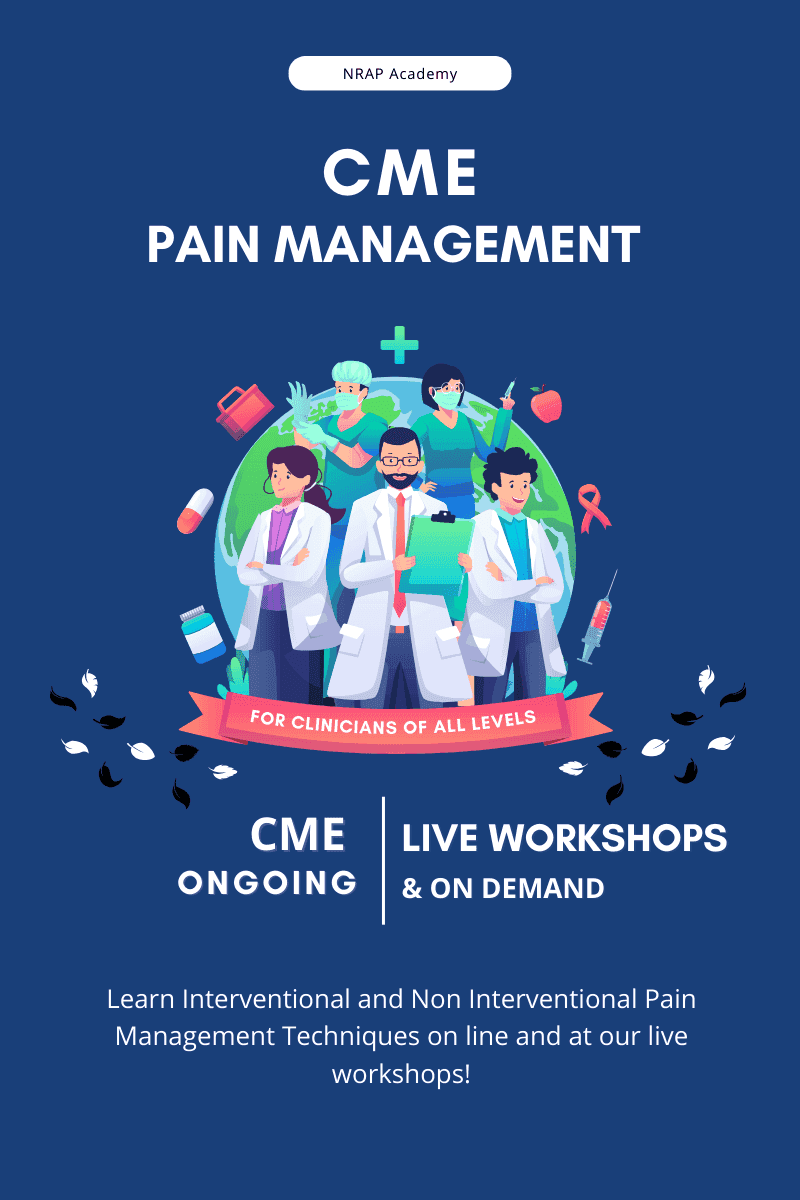
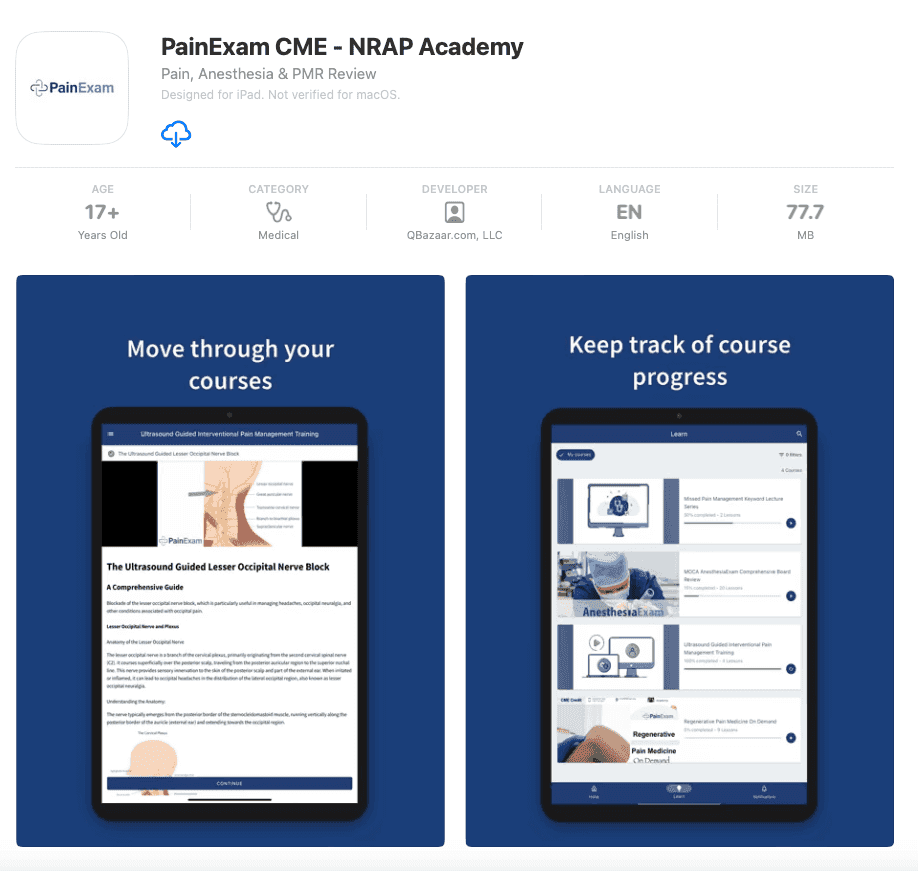
At NRAP Pain Academy, we understand the importance of CME for pain management professionals. Our accredited courses offer in-depth training in various modern pain management techniques, helping physicians expand their skill sets, enhance patient care, and stay ahead of industry changes. Let’s explore why CME is indispensable for medical professionals specializing in pain management and how it can transform your practice.
What is CME in Pain Management and Why is It Essential?
CME refers to educational activities that maintain, develop, or increase the knowledge, skills, and professional performance a healthcare provider uses to provide services to patients. For physicians and healthcare professionals in the pain management sector, this means staying up-to-date on everything from emerging treatments and clinical best practices to evolving guidelines on patient care and safety protocols.
In the fast-paced field of pain management, new research, technologies, and therapies frequently emerge. Without continued learning, healthcare providers may find themselves using outdated practices, which can negatively affect patient care. This is particularly crucial in pain management, where each patient’s condition can vary significantly, requiring personalized and up-to-date approaches.
At NRAP Pain Academy, our CME programs ensure that medical professionals are not only compliant with current regulations but also trained in the most effective, cutting-edge techniques in pain management.
Benefits of CME in Pain Management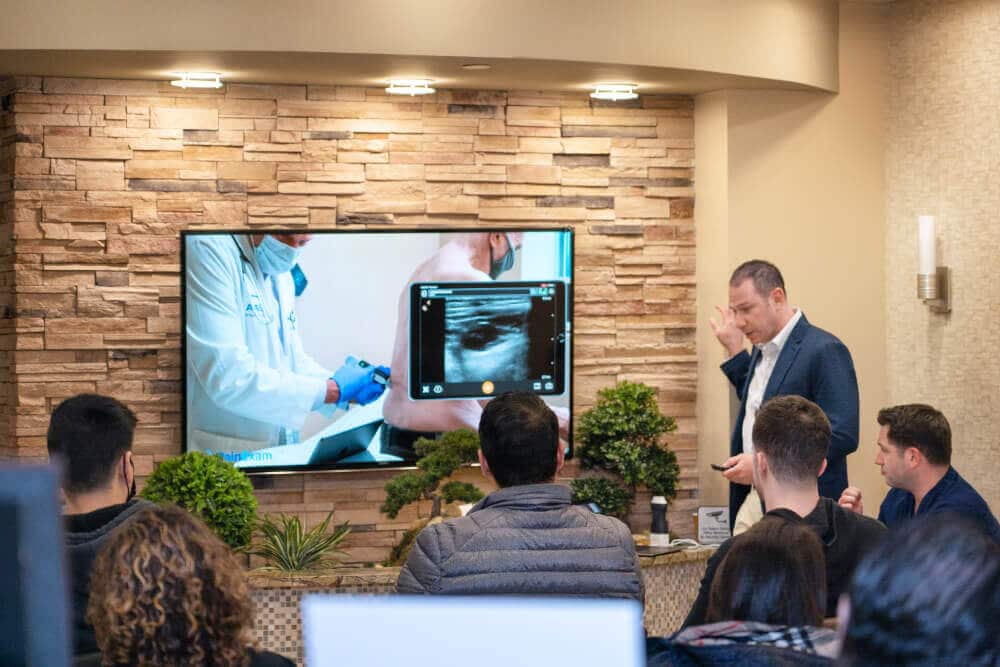
Improved Patient Outcomes: The primary objective of pain management is to improve a patient’s quality of life. With advances in both pharmacological and non-pharmacological treatments, staying current on the best available options is critical. CME courses provide the most recent insights on evidence-based treatment strategies, helping healthcare professionals tailor their care to the unique needs of each patient.
For example, newer techniques such as regenerative medicine (stem cell therapy and PRP) or neuromodulation therapies (spinal cord stimulation) offer promising results for chronic pain patients. Through CME, professionals can learn about the efficacy of these treatments, appropriate patient selection, and proper implementation.
Compliance with Changing Guidelines: Pain management often involves sensitive areas of medical care, such as the use of opioids for chronic pain treatment. With the opioid crisis continuing to shape regulatory guidelines and healthcare policies, it is critical for professionals to remain compliant with changing rules. CME courses address these changes, offering insights into non-opioid alternatives, safe prescribing practices, and patient monitoring strategies.
Through NRAP Pain Academy, you can find courses that help navigate these regulatory landscapes, equipping physicians with the knowledge to mitigate risks and provide responsible care.Expanding Knowledge of Pain Management Innovations: The field of pain management is evolving, with innovations such as minimally invasive interventions, ultrasound-guided injections, and non-surgical techniques gaining traction. Without ongoing education, it’s easy to miss these advancements. CME courses expose healthcare providers to novel therapies, devices, and techniques, enabling them to offer a broader range of treatment options to their patients.
At NRAP Pain Academy, our CME courses cover a wide spectrum of these innovations, from cutting-edge regenerative medicine to new techniques in nerve blocks, ensuring that you are at the forefront of the latest medical advancements.Enhanced Professional Growth: CME doesn’t just benefit patients—it also contributes to the professional development of medical practitioners. By attending CME courses, healthcare providers enhance their credibility, improve their expertise, and open doors to new career opportunities. Whether you're seeking board certification, fulfilling licensure requirements, or advancing your specialization in pain management, CME is a vital part of the journey.
NRAP Pain Academy offers CME credits that help physicians, nurses, and pain specialists meet these career milestones while gaining knowledge that directly impacts their clinical practice.
Tailored CME Courses for Pain Management at NRAP Pain Academy
At NRAP Pain Academy, we understand that pain management is a complex field requiring specialized education. That’s why our CME courses are designed to address the unique challenges and innovations within this medical specialty. Our programs provide in-depth learning opportunities in areas such as:
Interventional Pain Procedures: Learn the latest techniques in nerve blocks, joint injections, and radiofrequency ablation to manage pain more effectively.
Regenerative Medicine: Gain insights into the emerging field of regenerative therapies, including stem cells and PRP, and their applications in treating musculoskeletal and joint pain.
Opioid-Sparing Approaches: As opioid regulations tighten, it is essential to explore non-opioid alternatives. Our CME courses cover the latest in pharmacological and non-pharmacological pain treatments that minimize reliance on opioids.
Ethics and Compliance: Stay informed about the legal and ethical guidelines surrounding pain management, particularly in prescribing practices and patient safety.
Why Choose NRAP Pain Academy for CME in Pain Management?
With NRAP Pain Academy, you’re not just enrolling in a course; you’re joining a community of healthcare professionals dedicated to excellence in pain management. Our courses are designed by leading pain management specialists who understand the unique challenges and opportunities within the field. Here’s why NRAP Pain Academy stands out:
Accredited CME Programs: Our courses are accredited, ensuring they meet the highest educational standards and provide recognized CME credits.
Comprehensive Curriculum: From foundational knowledge to advanced techniques, our curriculum covers the full spectrum of pain management education.
Flexible Learning: We offer online and on-site courses to accommodate busy professionals, allowing you to learn at your own pace.
Expert Instructors: Our courses are taught by experienced practitioners who are leaders in the field of pain management, bringing real-world expertise to the classroom.
Continuing Medical Education (CME) is not only a requirement for maintaining licensure but also a crucial tool for advancing your career and improving patient outcomes in pain management. With innovations in treatment techniques and ever-changing regulatory landscapes, staying current with CME ensures that healthcare providers can offer the best possible care.
At NRAP Pain Academy, our specialized CME programs provide you with the knowledge and skills to excel in pain management, enhance your professional development, and, most importantly, improve the lives of your patients.
If you’re ready to take your practice to the next level, explore our NRAP Pain Academy CME courses today and become a leader in the field of pain management.
a