Pain Management For Medical Students
As medical technology continues to advance, pain management is evolving rapidly, with interventional procedures offering innovative ways to alleviate chronic pain and improve patient outcomes. This blog is an introduction to pain management for medical students.
For healthcare providers and Medical students, staying up to date with these advancements is essential to offering effective, minimally invasive treatments that reduce the need for opioid-based pain relief.
In this blog, we explore some of the most cutting-edge interventional techniques in pain management, including radiofrequency ablation and joint injections. Understanding these procedures and their applications can help physicians provide more comprehensive, patient-centered care, improving long-term outcomes and enhancing the quality of life for those suffering from chronic pain.
The Role of Interventional Pain Procedures (in Modern Pain Management for medical students)
Interventional pain procedures are minimally invasive techniques designed to target the source of pain directly. These methods often involve image-guided technologies, such as fluoroscopy or ultrasound, to precisely deliver treatment at the affected site. Unlike systemic medications, which often address symptoms, interventional treatments can provide long-lasting relief by addressing the underlying cause of pain.
1. Radiofrequency Ablation (RFA): A Breakthrough for Chronic Pain
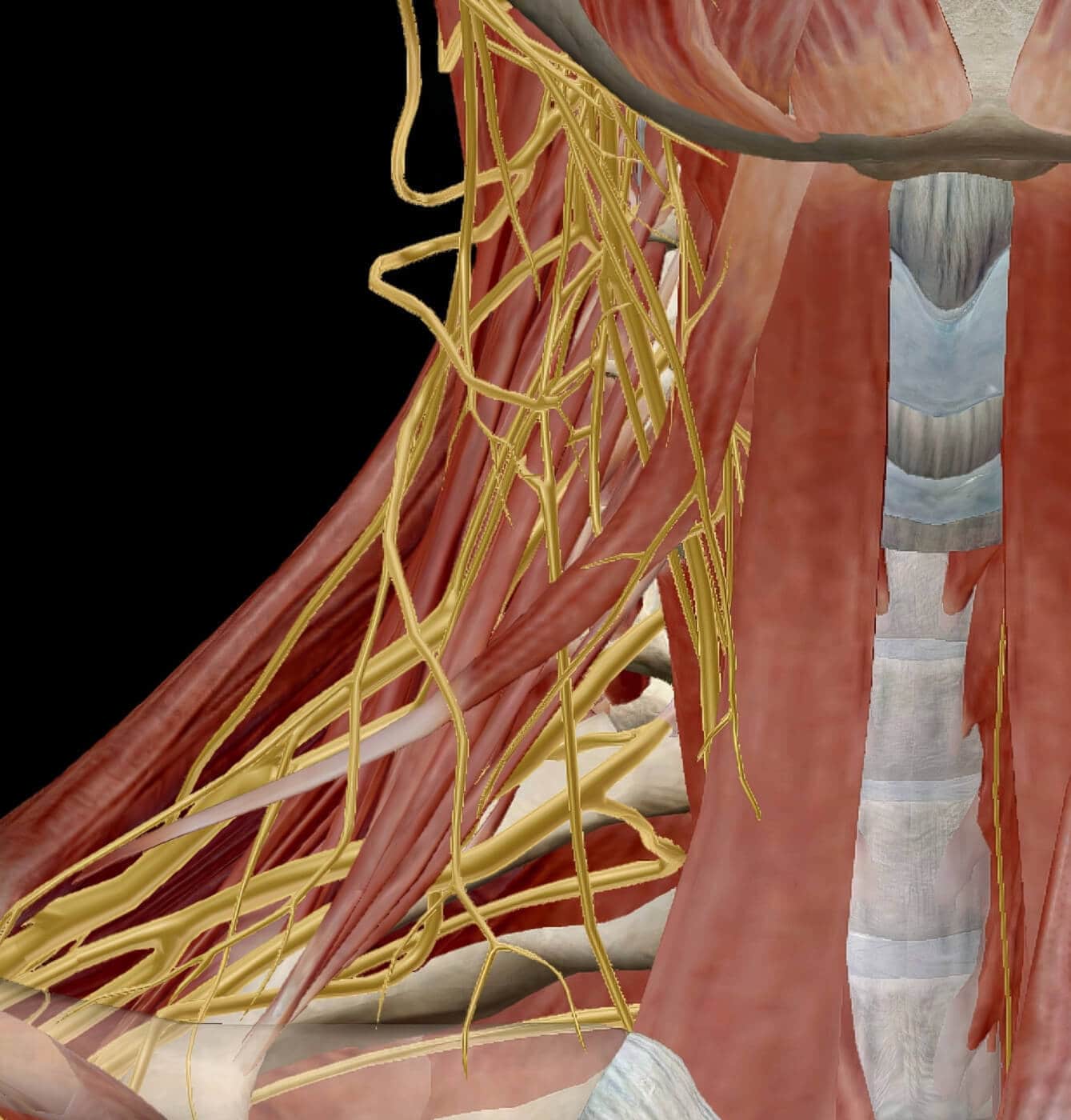
One of the most exciting advancements in interventional pain management is radiofrequency ablation (RFA). This technique has gained widespread recognition for its effectiveness in treating chronic pain, particularly in the neck, back, and joints. Education regarding the specialty of Pain Management for medical students has often focused on pharmacology and non interventional therapies. Here we detail this useful procedure.
How Radiofrequency Ablation Works
RFA involves using radiofrequency energy to heat specific nerve tissues, disrupting their ability to send pain signals to the brain. The procedure is usually performed under local anesthesia, and a needle is guided to the target nerve with the help of imaging technology. Once in position, a radiofrequency current is delivered, creating a thermal lesion that temporarily disables the nerve’s pain-signaling function.
Patients typically begin to experience relief within a few days to a week after the procedure, and the effects can last anywhere from six months to two years, depending on the individual case.
Conditions Treated with RFA
Chronic back and neck pain due to facet joint arthritis or degeneration.
Sacroiliac joint dysfunction, is a common source of low back pain.
Peripheral nerve pain from injuries or post-surgical complications.
Knee osteoarthritis or pain following knee replacement surgery.
By targeting specific nerves responsible for transmitting pain signals, RFA offers a long-lasting alternative to oral medications and more invasive surgeries.
2. Joint Injections: Immediate Relief for Arthritis and Inflammation
Education regarding the specialty of Pain Management for medical students has often focused the use of NSAIDs and acetaminophen. Here we take a more targeted approach.
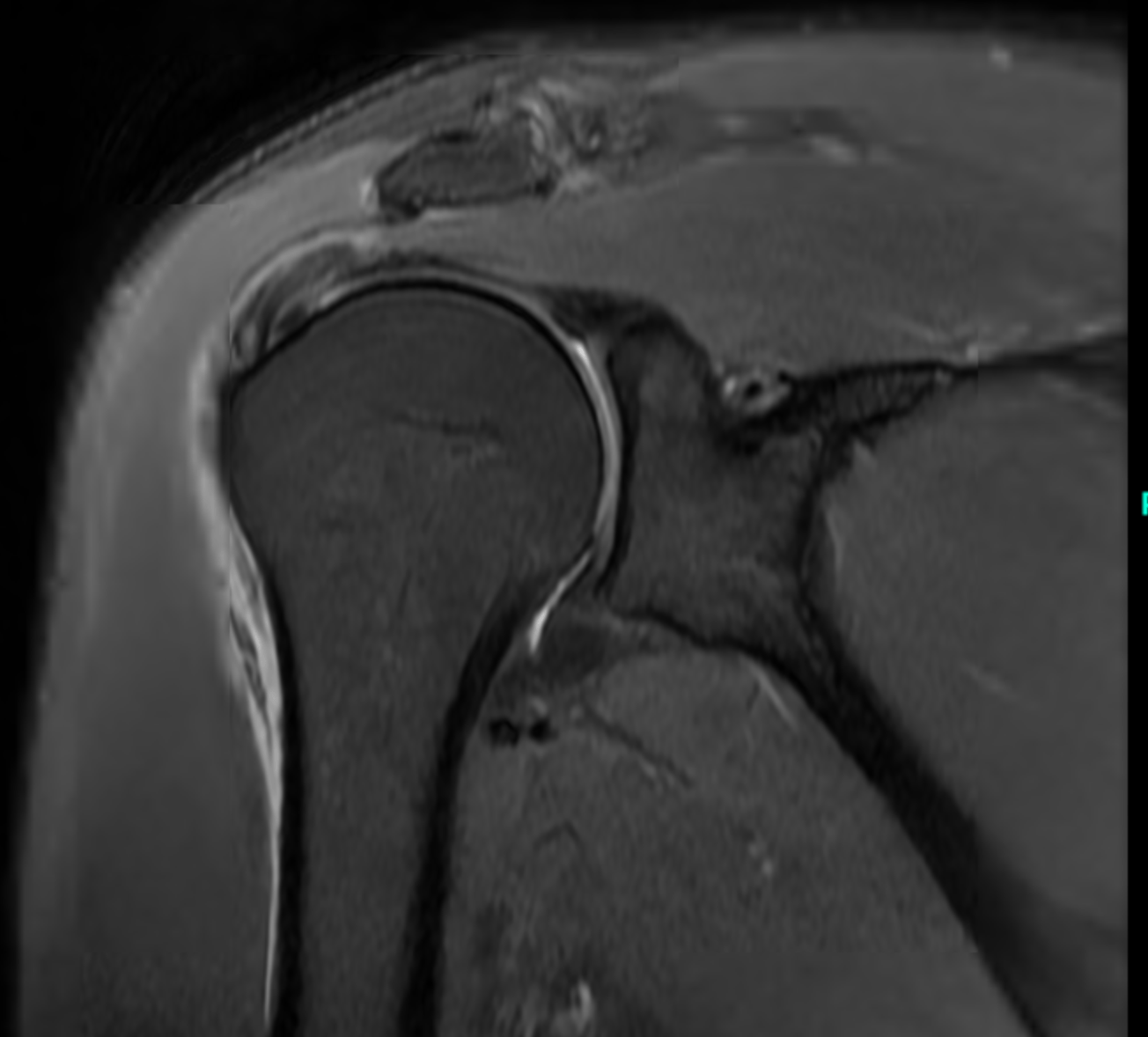
Joint injections are another highly effective interventional technique, particularly useful for patients suffering from arthritis, bursitis, or other inflammatory joint conditions. These injections deliver powerful anti-inflammatory medications, such as corticosteroids, directly into the affected joint, providing rapid pain relief and reducing inflammation.
 Types of Joint Injections
There are several types of joint injections, each suited for different conditions and areas of the body:
Corticosteroid Injections: These are the most common type of joint injection and are primarily used to reduce inflammation and swelling in arthritic joints.
Hyaluronic Acid Injections: Often used in knee osteoarthritis, hyaluronic acid injections help lubricate the joint, improving mobility and reducing pain.
Platelet-Rich Plasma (PRP) Injections: PRP is a regenerative therapy that uses the patient’s own blood, processed to concentrate the platelets, and then injected into the joint to promote healing.
Nerve Blocks: Although technically not joint injections, nerve blocks deliver anesthetic directly to the nerves surrounding a joint to provide temporary pain relief.
Applications of Joint Injections
Osteoarthritis of the knee, hip, shoulder, and other large joints.
Rheumatoid arthritis and other inflammatory joint conditions.
Bursitis, particularly in the shoulder or hip.
Tendonitis and soft tissue injuries that affect joint function.
Joint injections are typically administered as part of a larger pain management plan, which may include physical therapy, lifestyle changes, and medications. The relief from a joint injection can last from several weeks to several months, making it a useful option for patients who need immediate, non-surgical pain relief.
3. Advanced Imaging for Precision in Interventional Procedures
A major advancement in interventional pain management is the integration of high-precision imaging techniques, such as fluoroscopy and ultrasound, to guide procedures. These imaging technologies allow physicians to visualize the exact location of nerves, joints, and tissues in real time, ensuring that treatments are delivered with maximum accuracy.
Fluoroscopy-Guided Injections
Fluoroscopy, which uses X-rays to create real-time images, is particularly useful for injections into the spine, sacroiliac joints, and facet joints. By providing a live view of the needle’s placement, fluoroscopy increases the accuracy of the procedure and reduces the risk of complications.
Ultrasound-Guided Injections
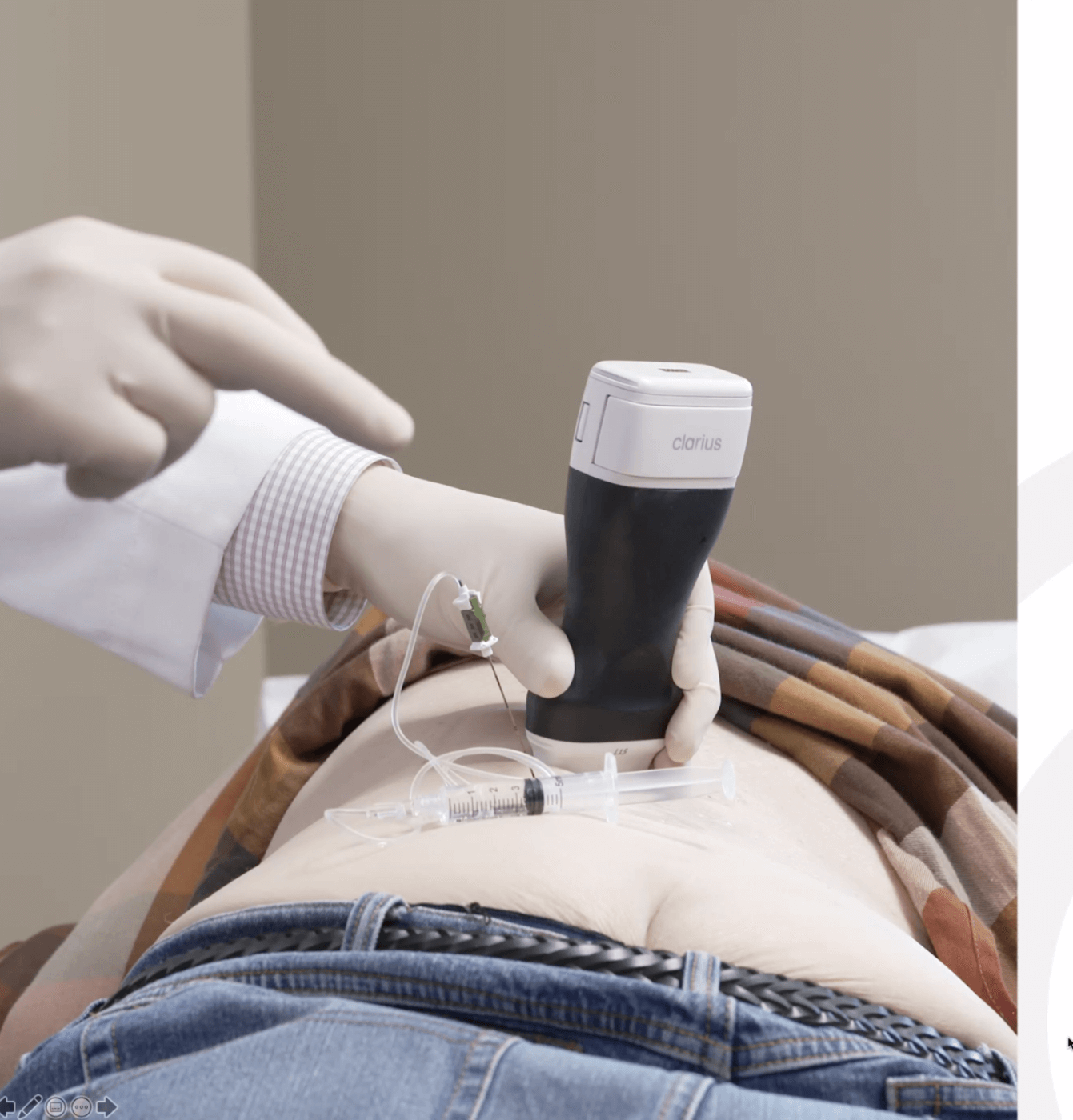
For soft tissue injections, ultrasound guidance is an excellent tool. It offers a clear view of muscles, tendons, and nerves, making it ideal for performing procedures like PRP injections and nerve blocks. Ultrasound-guided injections are often used for shoulder, elbow, knee, and ankle pain.
With the use of these advanced imaging techniques, physicians can deliver more precise and effective treatments, minimizing the risk of damage to surrounding tissues and enhancing patient outcomes.
4. Neuromodulation: Emerging Therapies for Nerve Pain
Pain Management for medical students has often omitted the field of neuromodulation. But this is another promising area in interventional pain management. Neuromodulation therapies, such as spinal cord stimulation (SCS) and peripheral nerve stimulation are a important tools that a physician trained in interventional pain management uses. These therapies involve implanting devices that send electrical impulses to nerves, altering their activity to reduce the perception of pain.
Spinal Cord Stimulation (SCS)
SCS involves implanting a small device that delivers electrical pulses to the spinal cord, blocking pain signals before they reach the brain. This technique is highly effective for patients with chronic back pain, failed back surgery syndrome, or complex regional pain syndrome.
Peripheral Nerve Stimulation (PNS)
Similar to SCS, PNS targets specific peripheral nerves. It is especially useful for localized pain, such as that experienced after surgery or injury. Both SCS and PNS offer long-term relief for patients who have not responded to conventional treatments.
5. The Future of Interventional Pain Management
As the field of pain management continues to evolve, new interventional procedures are constantly being developed. In addition to the advancements mentioned above, ongoing research is exploring regenerative medicine techniques, such as stem cell therapy and gene therapy, which hold the potential to revolutionize how chronic pain is treated in the future.
For physicians, staying up to date on these emerging therapies is essential. Continuing Medical Education (CME) courses that focus on interventional pain management offer an excellent opportunity to gain hands-on experience with the latest technologies and procedures.
The future of pain management lies in interventional procedures that target the root cause of pain with precision, minimal invasiveness, and long-lasting results. Radiofrequency ablation, joint injections, and advanced neuromodulation therapies are leading the way, offering new hope for patients who struggle with chronic pain.
As a physician, understanding and mastering these techniques is critical to providing the best care possible for your patients. By staying informed about the latest advancements in interventional pain procedures, you can play a pivotal role in improving patient outcomes and reducing the reliance on opioids for pain relief.
At NRAP Pain Academy, we offer CME courses designed to keep you on the cutting edge of pain management. Whether you're interested in learning more about radiofrequency ablation, joint injections, or other interventional techniques, our comprehensive programs provide the knowledge and skills needed to advance your practice.