Regional Anesthesia in Trauma Settings: Prehospital and Emergency Room Applications
Introduction to Emergency Room Regional Anesthesia – Why Emergency Regional Anesthesia Matters
Pain management in trauma care is a critical, time-sensitive challenge. While systemic opioids have long dominated acute pain protocols, the rise of emergency room regional anesthesia (RA) presents a powerful alternative — one that enhances pain relief, reduces opioid-related side effects, and improves functional outcomes.
With increasing awareness of the opioid crisis, emergency and trauma teams are re-evaluating traditional analgesic strategies.
Regional Anesthesia & Ultrasound Guided Interventional Pain Management Live Training
Regional anesthesia, once considered primarily an intraoperative technique, is now proving invaluable in prehospital and emergency room (ER) environments — offering fast, targeted relief for limb fractures, dislocations, burns, and more.
This guide outlines best practices, evidence, and safety considerations for applying RA in trauma and emergency medicine, offering practical insights for emergency physicians, trauma surgeons, and EMS teams.
Prehospital RA: Techniques and Logistics prior to arrival in Emergency Room
Indications for Field Regional Anesthesia
Prehospital RA is particularly beneficial but often unrealistic due to equipment and training factors in the following trauma scenarios:
- Femur or hip fractures: Fascia iliaca or femoral nerve blocks
- Upper limb trauma: Infraclavicular or axillary blocks
- Burns and crush injuries: Targeted nerve blocks to reduce stress response
- Painful dislocations: Shoulder or elbow blocks prior to reduction
In these cases, quick, localized analgesia not only improves comfort but facilitates transport, imaging, and triage.
Field-Friendly Block Techniques
The most practical RA techniques in the field are those requiring minimal repositioning and low risk of complications. Examples include:
- Fascia Iliaca Compartment Block (FICB): Easily taught, low-risk, excellent for femur fractures
- Axillary or supraclavicular block: For upper limb trauma, depending on provider experience
- TAP blocks or lateral cutaneous nerve blocks: Useful for abdominal wall or flank trauma
Ultrasound guidance enhances accuracy and safety, but landmark-based techniques remain viable where imaging isn’t available.
Regional Anesthesia & Ultrasound Guided Interventional Pain Management Live Training
Equipment and Safety Protocols
For successful prehospital RA, teams require:
- Portable ultrasound (if available)
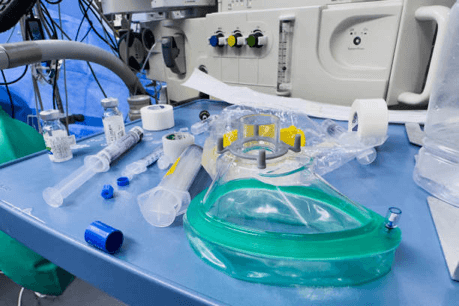
- Sterile block kits with local anesthetic
- Monitoring tools (BP, pulse ox)
- Protocols for local anesthetic systemic toxicity (LAST)
Proper documentation, consent (if feasible), and provider credentialing are essential for safety and legality.
ER-Based Regional Anesthesia for Trauma Patients
Common RA Techniques in Emergency Departments
Emergency physicians increasingly utilize nerve blocks in trauma cases for rapid pain management. Common blocks include:
- Femoral nerve or fascia iliaca block – Hip and thigh fractures
- Serratus anterior or erector spinae plane (ESP) block – Rib fractures
- Infraclavicular, axillary, or supraclavicular blocks – Shoulder, arm, or hand injuries
- Popliteal sciatic nerve block – Ankle and foot trauma
These blocks enable better cooperation during imaging and reduce the need for procedural sedation during reductions.
Key steps for RA in the ER include:
- Patient selection and consent
- Quick ultrasound survey (if available)
- Needle placement and aspiration checks
- Injection with observation for complications
- Documentation and monitoring
Coordination with radiology, trauma surgery, and anesthesia is vital to streamline workflow and avoid delays in definitive care.
Comparing RA vs Systemic Opioids in Emergency Pain Management
Efficacy and Speed of Relief
Studies show RA offers faster and more complete analgesia than IV opioids in specific trauma scenarios. FICB for hip fractures, for instance, often results in significant pain reduction within 10–15 minutes, avoiding opioid-related delays.
Adverse Effect Profile
Opioids carry risks such as:
- Respiratory depression
- Nausea and vomiting
- Delirium in elderly patients
- Potential for addiction
RA, when administered correctly, avoids these side effects and facilitates a clearer mental status during trauma workup.
Patient Experience and Outcomes
Patients consistently rate RA higher on pain satisfaction scales, with fewer instances of nausea or oversedation. RA can improve compliance during physical exams and allow early rehabilitation interventions.
Regional Anesthesia & Ultrasound Guided Interventional Pain Management Live Training
Risk Management: Compartment Syndrome and RA
Recognizing the Risk
One concern with nerve blocks in trauma is masking compartment syndrome, especially in high-risk injuries (e.g., tibial fractures, crush injuries). While RA does not cause compartment syndrome, it may delay its recognition.
NOTE REGIONAL ANESTHESIA IS NOT FOR THE UNSTABLE PATIENT
A patient must be resuscitated and stable prior to performing regional anesthesia procedures.
Monitoring Protocols
Best practices include:
- Frequent neurovascular checks
- Clear documentation of block onset time
- Use of low-concentration anesthetics to preserve motor/sensory signs
- Avoiding continuous infusions in high-risk injuries unless under surgical observation
Educating teams about the early signs (pain out of proportion, tense compartments, pain on passive stretch) remains crucial.
Balancing Benefit and RiskEmergency Room Regional Anesthesia
In many cases, the benefits of RA — reduced opioid use, improved transport tolerance — outweigh the risks when proper monitoring is in place. Team communication and clear handoffs are key to safety.
Regional Anesthesia & Ultrasound Guided Interventional Pain Management Training
Evidence & Best Practice Guidelines
Key Clinical Studies
- Beaudoin et al., 2021: Demonstrated superior analgesia and reduced opioid use with RA in femur fractures in ED settings.
- Galinski et al., 2010: Prehospital nerve blocks reduced pain scores significantly in limb trauma patients during transport.
- Abrahams et al., 2016: Found FICB to be safe, effective, and easy to teach in prehospital environments.
Society Guidelines
- ASRA (American Society of Regional Anesthesia) and ESRA (European Society of Regional Anaesthesia) both endorse the use of RA in emergency and prehospital care for selected patients.
- Guidelines recommend having protocols for block safety, provider training, and adverse event management.
Low-Resource Settings
RA’s simplicity and low cost make it ideal for rural or austere environments, where IV medications may be limited. Even landmark-based blocks without ultrasound have been effectively deployed in such contexts.

Training and Competency for Emergency Teams
Simulation and In-Situ Training
Hands-on workshops using mannequins or gel models allow safe, repeated practice of:
- Sonoanatomy recognition
- Needle control
- Block technique and troubleshooting
In-situ simulations — performed during real or mock codes — build muscle memory and integration into trauma team workflows.
Credentialing and Checklists
Institutions should:
- Provide block-specific training modules
- Use block performance checklists (e.g., setup, execution, post-procedure monitoring)
- Periodically reassess providers for skill retention
Emergency departments implementing RA should assign clinical champions or liaisons with anesthesia departments for oversight and support.
Continuous Improvement
Routine review of RA cases, including complications and outcomes, fosters learning and helps refine protocols. Video review (when permitted) can support self-assessment and debriefing.
Regional Anesthesia & Ultrasound Guided Interventional Pain Management Training
Integrating RA into Trauma Care Pathways
Steps to Implement RA in Emergency Settings
To establish effective RA practices in trauma systems:
- Develop standardized block protocols
- Train EMS and ER teams in select blocks
- Create checklist-based documentation
- Partner with anesthesia teams for oversight
- Include RA in trauma simulation and orientation
Multidisciplinary Collaboration is Key
RA in trauma doesn’t belong to one specialty. It succeeds when EMS, emergency medicine, trauma surgery, and anesthesia align on protocols and training. This collaborative model ensures better patient outcomes and safer care delivery.
The Future of Emergency Regional Anesthesia
Innovations like tele-ultrasound, mobile RA carts, and AI-based needle guidance will expand access and usability. As trauma care evolves, regional anesthesia will remain central to compassionate, evidence-based, and opioid-sparing pain management.
Interested in implementing regional anesthesia in your trauma care protocols? Contact the NRAPPAIN team to access training resources and expert guidance.
FAQs
1. What is emergency regional anesthesia and how is it used in trauma care?
Emergency regional anesthesia involves administering local anesthetics near specific nerves to block pain in trauma patients. It’s used in prehospital or emergency room settings to manage pain from fractures, dislocations, burns, and soft tissue injuries.
2. Which nerve blocks are most commonly used in emergency trauma settings?
Common blocks include the fascia iliaca block for hip fractures, serratus anterior block for rib injuries, and brachial plexus blocks (infraclavicular, axillary) for upper extremity trauma.
3. Is regional anesthesia safe to use before compartment syndrome is ruled out?
While RA can mask compartment syndrome symptoms, proper monitoring and low-concentration anesthetics reduce risk. Clinical vigilance and frequent reassessments are critical when RA is used near high-risk injuries.
4. Can emergency physicians perform regional anesthesia without an anesthesiologist?
Yes, with proper training and protocols, emergency physicians can safely perform certain nerve blocks. Many EDs now train their staff in select RA techniques supported by ultrasound guidance and credentialing processes.
5. What equipment is needed to perform RA in a prehospital or ER setting?
Essential tools include sterile block kits, local anesthetics, ultrasound (if available), and emergency monitoring tools. Protocols for LAST (local anesthetic systemic toxicity) management should also be in place.
Private Training Available