Emerging Ultrasound Technologies in Pain Management to Watch
Introduction
Over the past decade, ultrasound has transformed the field of pain management. From guiding precise joint injections to facilitating complex regional anesthesia, ultrasound technology has improved accuracy, reduced complications, and enhanced patient safety. Advanced practitioners now rely on ultrasound to optimize procedural outcomes and expand their therapeutic capabilities.
As ultrasound continues to evolve, clinicians must stay current with emerging innovations to maintain efficiency and deliver state-of-the-art care. This article provides a forward-looking guide to emerging ultrasound technologies in pain management, highlighting practical applications, technological trends, and opportunities for skill development through CME and training courses.
The Growing Role of Ultrasound in Pain Management
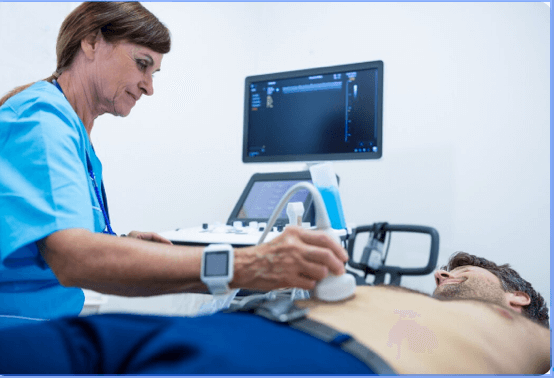
Ultrasound has become indispensable in modern pain interventions, transforming procedures such as joint injections, peripheral nerve blocks, and regional anesthesia. Its real-time imaging capabilities allow clinicians to visualize anatomy directly, leading to higher precision and fewer complications compared to blind techniques.
Advanced practitioners leverage ultrasound to:
- Enhance accuracy in complex procedures.
- Reduce procedural time and patient discomfort.
- Expand the range of procedures safely performed in outpatient or bedside settings.
Emerging trends in ultrasound, including AI-assisted imaging, 3D visualization, and fusion modalities, are now pushing the boundaries of what clinicians can achieve. Staying informed about these technologies is essential for maintaining best-in-class patient care.
AI Ultrasound: Smarter Imaging for Pain Interventions
Artificial intelligence (AI) is revolutionizing ultrasound imaging in pain management. AI ultrasound systems analyze images in real-time, provide automated needle tracking, and even suggest optimal injection sites based on anatomical landmarks.
These innovations offer several benefits:
- Reduced procedural time, as AI assists in locating targets quickly.
- Enhanced accuracy, minimizing errors in nerve or joint injections.
- Support for learning clinicians, providing on-screen guidance during procedures.
AI ultrasound integrates seamlessly with educational programs like ultrasound injection courses or ultrasound regional anesthesia courses, helping practitioners refine skills while adopting new technology. For advanced clinicians, combining AI guidance with hands-on training ensures both competence and efficiency in daily practice.
Portable Ultrasound: Point-of-Care Flexibility
Portable ultrasound devices redefining pain practice workflows. Compact, battery-powered units allow clinicians to perform precise injections, nerve blocks, and diagnostic imaging in clinic rooms, bedside settings, or even remote locations.
Key advantages include:
- Wireless connectivity for rapid image sharing and telemedicine applications.
- Lightweight design, improving clinician mobility and convenience.
- Cost-effectiveness for practices that need point-of-care imaging without full-size systems.
Adopting portable ultrasound requires consideration of device maintenance, integration into clinic workflow, and staff training. Many CME programs and anesthesia ultrasound courses now offer modules specifically focused on portable device proficiency, ensuring practitioners can maximize the benefits of mobility without sacrificing accuracy.
3D Ultrasound: Enhanced Visualization
3D ultrasound technology provides volumetric imaging that allows clinicians to view structures from multiple angles, improving procedural precision for challenging anatomy. In pain management, this is particularly valuable for:
- Spine procedures such as epidural or facet injections.
- Complex joint injections where multiple planes must be visualized.
- Peripheral nerve blocks requiring detailed anatomical assessment.
The integration of 3D imaging enhances needle guidance, reduces procedural errors, and improves overall patient outcomes. Advanced practitioners can develop competency through ultrasound guided joint injection courses or advanced regional anesthesia courses, combining practical skills with the latest visualization technologies.
Ultrasound Guidance Advances: Trends and Tools
Beyond AI and 3D imaging, ultrasound guidance advances include improvements in software, needle visualization, Doppler imaging, and real-time feedback systems. These tools allow clinicians to:
- Gain more confidence in challenging procedures.
- Reduce complications by accurately navigating complex anatomy.
- Streamline workflow for faster, safer interventions.
Training programs such as joint injection CME courses, pain management CME, and pain management online courses provide clinicians with hands-on experience using these tools. Additionally, integration with regenerative medicine courses online supports advanced applications such as stem cell injections or platelet-rich plasma therapies.
Fusion Imaging in Pain Management
Fusion imaging combines ultrasound with other imaging modalities like CT or MRI to provide precise procedural guidance. This approach is especially useful for complex or anatomically challenging cases, such as:
- Targeted spinal interventions.
- Deep joint injections where landmarks are difficult to visualize.
- Nerve blocks near critical structures.
Fusion imaging increases procedural accuracy, reduces risks, and allows clinicians to tackle cases previously considered high-risk. Educational opportunities, including regional ultrasound courses and anesthesia board review courses, now include modules focused on fusion imaging techniques, preparing practitioners to adopt these advanced interventions confidently.
Practical Implications for Clinicians
Integrating emerging ultrasound technologies into daily pain practice has several implications:
- Workflow: Procedures may initially require longer timeframes until staff gain proficiency with new systems.
- Patient care: Enhanced imaging improves safety, procedural success, and patient satisfaction.
- Operational considerations: Cost analysis, staff training, and pilot testing ensure smooth adoption.
Clinicians can leverage training resources such as ultrasound injection courses, anesthesia ultrasound courses, and joint injection CME courses to implement these technologies efficiently. Additionally, pursuing pain medicine board review courses, pain management certification online, and pain management online courses reinforces procedural expertise and supports continuing education requirements.
Future Trends and Research Directions
The future of ultrasound pain management is shaped by continuous innovation. Emerging trends include:
- AI-driven predictive analytics to optimize treatment planning.
- Cloud-based imaging and storage for telemedicine and collaborative care.
- Smart integration with EMR systems to document interventions and outcomes automatically.
These trends promise personalized pain care, remote procedural guidance, and more efficient clinician training. Staying informed through pain management CME, online pain management courses, and specialty workshops ensures practitioners remain at the forefront of practice innovation.
Conclusion
Ultrasound technology continues to redefine pain management, with innovations like AI ultrasound, portable systems, 3D imaging, guidance advances, and fusion imaging enhancing procedural precision and patient outcomes.
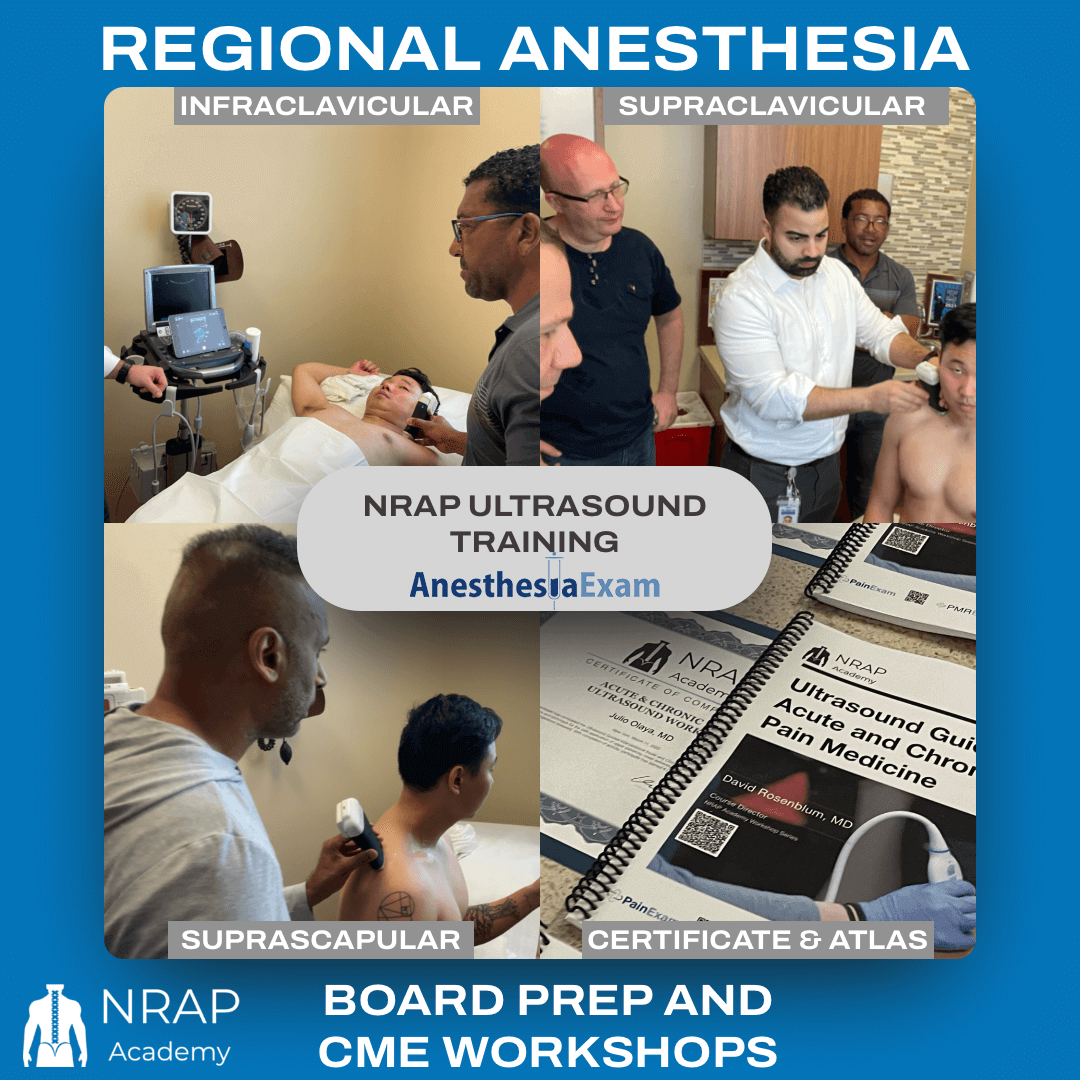
For clinicians, staying current is essential. Participation in ultrasound training, CME programs, pain management courses, and advanced board review courses equips practitioners with the skills to integrate these technologies into daily practice. By embracing emerging tools, clinicians can improve efficiency, accuracy, and the overall quality of care for patients with chronic pain.
Contact us Today to learn more about CME opportunities, specialized training, and advanced ultrasound courses designed to elevate your practice.
FAQ
Q1: What are the latest ultrasound technologies for pain management?
A: Key innovations include AI-assisted imaging, portable ultrasound, 3D visualization, improved guidance tools, and fusion imaging with CT/MRI.
Q2: How can AI ultrasound improve procedural accuracy?
A: AI helps with real-time image interpretation, needle tracking, and automated measurements, reducing procedural time and increasing precision.
Q3: Are portable ultrasound devices effective for clinic use?
A: Yes. Portable units are reliable, mobile, and suitable for bedside, outpatient, or field-based pain interventions, with proper training and workflow integration.
Q4: What training is available for emerging ultrasound technologies?
A: Courses include ultrasound injection courses, ultrasound regional anesthesia courses, joint injection CME courses, and pain management CME online programs.
Q5: How can fusion imaging be applied in pain management?
A: Fusion imaging allows combining ultrasound with CT or MRI for precise guidance in complex spinal, joint, or peripheral nerve procedures.