Integrating Neuromodulation into Daily Pain Practice: Challenges & Solutions
Introduction
Neuromodulation has emerged as a transformative approach in chronic pain management, offering relief for patients who have not responded to conventional therapies. Techniques such as spinal cord stimulation, dorsal root ganglion (DRG) therapy, and peripheral nerve stimulation are increasingly recognized for their ability to improve patient outcomes while minimizing reliance on medications.
Despite these benefits, integrating neuromodulation into routine practice poses challenges. Clinicians must navigate patient selection, device choice, workflow integration, and reimbursement pathways—all while maintaining high standards of care. This article serves as a practical, strategic, and case-based guide on how to integrate neuromodulation pain practice, providing insights on overcoming barriers and optimizing clinical outcomes.
Understanding Integrating Neuromodulation into Pain Practice
Neuromodulation involves the application of electrical or chemical stimuli to the nervous system to alter pain signaling. Its primary goal is to modulate neural activity, reduce chronic pain, and improve patient quality of life.
Common neuromodulation techniques include:
- Spinal cord stimulation (SCS): Delivers electrical impulses to the dorsal columns of the spinal cord to reduce neuropathic pain.
- Peripheral nerve stimulation: Targets specific nerves for localized pain relief.
- Dorsal root ganglion (DRG) stimulation: Focuses on modulating specific nerve roots, often used for focal neuropathic pain.
Extensive research supports neuromodulation in pain practice, demonstrating improved pain scores, reduced opioid usage, and enhanced patient satisfaction. At the practice level, offering neuromodulation expands service offerings, attracts patients seeking advanced therapies, and positions the clinic as a leader in modern pain management.
Identifying Barriers to Integrating Neuromodulation into Pain Practice Adoption
Before integrating neuromodulation, clinicians must recognize potential barriers to adoption. Common challenges include:
- Financial and administrative hurdles: High upfront costs for devices, staffing, and facility requirements. Insurance coverage and reimbursement can be complex and variable.
- Operational challenges: Staff must be trained to handle device programming, implantation assistance, and patient follow-up. Workflow integration can be daunting in busy clinics.
- Clinical hesitancy: Selecting appropriate patients is critical to success. Clinicians may lack confidence in candidate identification or procedural outcomes.
Evidence from surveys and case reports indicates that many pain specialists delay adopting neuromodulation due to these barriers. Understanding these challenges is the first step toward a structured, successful implementation.
Strategic Approach to Integrating Neuromodulation into Pain Practice
Successfully integrating neuromodulation requires a strategic, stepwise approach. Clinics that plan carefully are better able to navigate operational, clinical, and financial hurdles.
Key components of practice adoption include:
- Multidisciplinary collaboration: Pain specialists, neurosurgeons, nursing staff, and administrative teams should work together to define workflows, patient pathways, and procedural responsibilities.
- Budgeting and staffing: Allocate resources for device procurement, staff training, and procedure rooms.
- Workflow optimization: Streamline pre-procedure evaluation, implantation, and follow-up care.
Several clinics have demonstrated successful adoption by integrating these strategies. For example, a regional pain center that implemented standardized patient selection protocols and cross-trained nursing staff was able to increase spinal cord stimulation procedures by 40% within one year.
Patient Selection and Assessment
Patient selection of neuromodulation is perhaps the most critical factor for success. Identifying the right candidates ensures optimal outcomes and maximizes cost-effectiveness.
Key considerations include:
- Diagnoses suitable for SCS, DRG, or peripheral nerve stimulation.
- Comprehensive pre-procedure evaluation including imaging, medical history, comorbidities, and prior to therapy responses.
- Pain assessment tools to quantify severity and functional impairment.
Clinics may use standardized protocols to streamline evaluation. Integrating ultrasound guided joint injection courses or regional ultrasound courses into clinician training can enhance procedural precision and confidence in patient selection. CME opportunities such as pain management, CME or pain management online courses further support skill development and certification.
Device Selection and Workflow Integration
Choosing the right neuromodulation device depends on patient needs, practice resources, and reimbursement pathways. Key factors include device capabilities, battery life, ease of programming, and compatibility with clinical workflow.
Workflow integration strategies include:
- Scheduling implant procedures efficiently to minimize patient wait times.
- Training staff on device programming, troubleshooting, and post-procedure monitoring.
- Establishing follow-up protocols to monitor pain scores, patient satisfaction, and device function.
Clinicians may also supplement training with ultrasound injection courses or ultrasound regional anesthesia courses to improve procedural accuracy and expand procedural skill sets within the clinic.
Overcoming Common Challenges
Clinics adopting neuromodulation often face obstacles across clinical, operational, and financial domains. Addressing these proactively is essential.
Training and Education:
- Clinicians and staff should attend CME courses, workshops, and industry-led training sessions. Examples include pain medicine board review courses, pain management certification online, and regenerative medicine courses online.
Patient Adherence and Satisfaction:
- Structured education and follow-up protocols help ensure patients use devices correctly and report outcomes accurately. Pain tracking apps or digital health platforms can enhance adherence.
Reimbursement Hurdles:
- Understanding coding, documentation, and payer-specific requirements is vital. Clinics may seek guidance through professional societies, workshops, or online pain management courses.
Real-world case studies show that structured implementation—combining training, patient education, and streamlined billing—leads to higher adoption rates and improved clinical outcomes.
Monitoring Outcomes and Continuous Improvement after Integrating Neuromodulation into Pain Practice
Continuous evaluation is necessary to ensure neuromodulation therapies achieve intended benefits.
Strategies include:
- Tracking patient-reported outcomes, pain scales, and functional improvement.
- Utilizing registries and electronic health records to monitor therapy effectiveness and identify areas for improvement.
- Implementing feedback loops to refine patient selection criteria and optimize procedural protocols.
Evidence shows that clinics actively monitor outcomes see improved pain scores, fewer complications, and higher patient satisfaction, reinforcing the value of neuromodulation in daily practice.
Future Trends in Neuromodulation
Emerging technologies are shaping the future of neuromodulation. Innovations include:
- Closed loop systems that adjust stimulation in real-time based on neural feedback.
- Wearable devices for home monitoring and remote programming.
- AI-assisted programming to optimize therapy parameters and reduce clinician workload.
Staying current with these advancements ensures long-term success, improved patient outcomes, and enhanced practice efficiency. Pain specialists may complement neuromodulation with related training, including joint injection of CME courses, regenerative medicine online courses, or anesthesia board review courses to broaden their skill sets.
Conclusion
Integrating neuromodulation into daily pain practice is both a strategic and clinical opportunity. By taking a structured approach—focusing patient selection, device choice, workflow integration, and staff training—clinicians can overcome operational and financial barriers.
Clinicians are encouraged to participate in pain management CME, ultrasound guided joint injection courses, and pain medicine board review courses to build expertise. Combining these educational resources with evidence-based strategies ensures successful adoption of neuromodulation.
Contact us Today to explore training opportunities, obtain guidance on practice adoption, and access resources for integrating neuromodulation into your daily pain practice.
FAQ
Q1: What are the main barriers to neuromodulation adoption in practice?
A: Common barriers include financial costs, workflow integration, patient selection challenges, and staff training requirements. CME courses and online training can mitigate these obstacles.
Q2: How do I select the right patients for neuromodulation?
A: Candidates should be evaluated based on diagnosis, pain severity, comorbidities, and prior therapy response. Tools from ultrasound injection courses and regional ultrasound courses can aid assessment.
Q3: What training is available for clinicians?
A: Training options include pain management online courses, pain medicine board review courses, anesthesia board review, and joint injection courses for physicians.
Q4: How can outcomes be monitored effectively?
A: Use patient-reported metrics, electronic health records, and follow-up protocols to track device efficacy, functional improvement, and satisfaction.
Q5: Are there additional skills that complement neuromodulation?
A: Yes. Training in ultrasound-guided procedures, regenerative medicine online courses, and pain management certification online enhances procedural accuracy and clinical versatility.
Looking for a Pain Practioner who has Experience Integrating Neuromodulation into a pain practice and performs Neuromodulation?
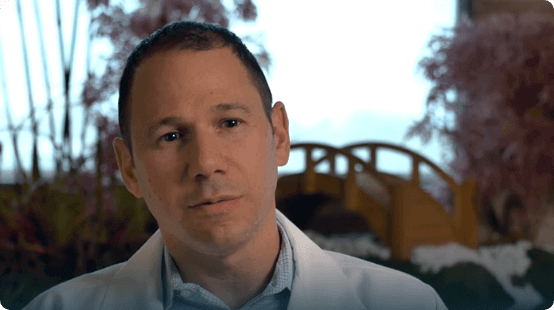
David Rosenblum, MD, currently serves as the Director of Pain Management at Maimonides Medical Center and AABP Integrative Pain Care. As a member of the Department of Anesthesiology, he is involved in teaching, research, CME activities, and was key faculty in developing the anesthesiology residency's regional anesthesia block rotation, as well as institutional wide acute and chronic pain management protocols to ensure safe and effective pain management. He currently is a managing partner in a multi-physician private pain practice, AABP Integrative Pain Care, located in Brooklyn, NY. He is one of the earliest interventional pain physicians to integrate ultrasound guidance to improve the safety and accuracy of interventional pain procedures.
Awards
New York Magazine: Top Doctors: 2016, 2017, 2018, 2021, 2022, 2023, 2024, 2025
Schneps Media: 2015, 2016, 2017, 2019, 2020
Top Doctors New York Metro Area (digital guide): 2016, 2017, 2018, 2019, 2020, 2021, 2022, 2023 2025
Schneps Media - Brooklyn Courier Life: 2021, 2022, 2023
Dr. Rosenblum written several book chapters on Peripheral Neuromodulation, Radiofrequency Ablation, and Pharmacology. He has published numerous noteworthy articles and most recently is developing the ASIPP Guidelines for Peripheral Neuromodulation in the treatment of chronic pain. He has been named several times in NY Magazine's Best Pain Management Doctor List, Nassau County’s Best Pain Physician, has appeared on NY1 News, and has made several appearances on XM Radio's Doctor Talk. He currently is lecturing on a national and international level and has partnered with the American Society of Interventional Pain Physicians (ASIPP), American Society of Pain and Neuroscience (ASPN), IASP Mexican Chapter, Eastern Pain Association (EPA), the North American Neuromodulation Society (NANS), World Academy of Pain Medicine United, as well as various other organizations, to support educational events and develop new courses. Since 2008, he has helped over 3000 physicians pass the Pain Management Boards, and has been at the forefront of utilizing ultrasound guidance to perform pain procedures. He now hosts the PainExam podcast, AnesthesiaExam Podcast, PMRExam Podcasts and uses this platform to promote the safe and effective use of ultrasound in the performance of various procedures such as Peripheral Nerve Stimulation, Caudal Epidurals, Selective Nerve Root Blocks, Cluneal Nerve Blocks, Ganglion impar Blocks, Stellate Ganglion Blocks, Brachial Plexus Blocks, Joint Injections and much more!
Doctor Rosenblum created the NRAP (Neuromodulation Regional Anesthesia and Pain) Academy and travels to teach various courses focused on Pain Medicine, Regenerative Medicine, Ultrasound Guided Pain Procedures and Regional Anesthesia Techniques.
Dr. Rosenblum is persistent when it comes to eliminating pain and has gained a reputation among his patients for thinking "outside the box" and implements ultrasound guidance to deposit medications, biologics (PRP, Bone Marrow Aspirate, etc.) and Peripheral Nerve Stimulators near pain generators.
He is currently treating patients in his great neck and Brooklyn office. For an appointment go to AABPpain.com or call
Brooklyn 718 436 7246