Physicians pursuing a career in pain medicine have several opportunities to strengthen their professional credentials and demonstrate specialized knowledge. Among these opportunities, pain management certification can provide formal recognition of education, training, clinical experience, and competency.
However, not every certification pathway serves the same purpose. Some certifications are part of established medical board subspecialty pathways, while others focus specifically on interventional pain practice or specialized areas of pain medicine.
Physicians should therefore look beyond the name of a credential and evaluate its eligibility requirements, examination standards, clinical focus, professional recognition, maintenance requirements, and relevance to their career goals.
For physicians interested in interventional pain medicine, the Fellow of Interventional Pain Practice (FIPP) examination offered by the World Institute of Pain (WIP) is another important certification pathway to consider. The FIPP credential is specifically focused on interventional pain practice and includes a rigorous examination process.
What Is Pain Management Certification?
Pain management certification is a formal professional credential that recognizes physicians who meet defined requirements related to knowledge, education, training, clinical experience, or competency in pain medicine.
Certification should be distinguished from continuing medical education. Completing a CME course or attending a conference can provide valuable education, but it does not necessarily result in a formal professional credential.
Certification pathways can also differ considerably. Some are connected to a physician's primary specialty board and accredited fellowship training, while others are offered by specialized professional organizations.
Before applying, physicians should determine exactly what a certification represents, who awards it, what requirements must be met, and how the credential is recognized within their professional environment.
American Board of Pain Medicine Certification
The American Board of Pain Medicine (ABPM) offers a dedicated certification pathway in Pain Medicine.
The organization evaluates physician education, training, experience, ethics, and knowledge through its eligibility requirements and certification examination. For physicians seeking a credential specifically centered on comprehensive Pain Medicine, ABPM is an important certification pathway to evaluate.
ABPM maintains information regarding certification requirements, examinations, and certified diplomates. Physicians should review the current requirements directly with ABPM because eligibility rules and certification processes can change.
What Makes ABPM Different?
One feature that distinguishes ABPM is that Pain Medicine is the central focus of its certification pathway.
Physicians considering this option should carefully review the current certification requirements, examination information, and continuing certification obligations before beginning the application process.
ABPM Continuing Certification
Passing an examination is not necessarily the end of a physician's certification obligations. ABPM introduced its Continuing Certification in Pain Medicine (CCPM) program in 2026. According to ABPM, its previous Maintenance of Certification examination has been replaced for applicable time-limited diplomates by quarterly learning modules.
This highlights an important consideration when evaluating any certification: physicians should understand both the initial examination and the requirements for maintaining the credential over time.
World Institute of Pain FIPP Examination
For physicians focused specifically on interventional pain medicine, the World Institute of Pain (WIP) Fellow of Interventional Pain Practice (FIPP) examination deserves particular attention. The FIPP credential is designed to assess competency in interventional pain practice. WIP describes the FIPP examination as a rigorous assessment of knowledge and skills in interventional pain. The examination process includes written, oral, and cadaver components designed to evaluate different aspects of interventional pain practice.
What Is the FIPP Certification?
FIPP stands for Fellow of Interventional Pain Practice. The certification is particularly relevant to physicians whose clinical practice includes interventional pain procedures. Rather than serving as a general pain medicine credential, the FIPP pathway focuses on interventional pain knowledge and procedural competency.
WIP states that the examination evaluates candidates through written, oral, and cadaver components. This makes the FIPP pathway particularly relevant to physicians who want to demonstrate advanced competency in interventional pain practice.
FIPP Examination Locations and Upcoming Dates
The World Institute of Pain currently lists several upcoming FIPP examination opportunities:
October 25, 2026 – Istanbul, Türkiye
January 24, 2027 – Seoul, South Korea
March 14, 2027 – São Paulo, Brazil
WIP notes that examination dates are preceded by workshops and that candidates must be logged into the WIP website as Associate Members to access the online application.
Physicians should check the official WIP examination page for the latest dates, locations, deadlines, eligibility requirements, and application information because schedules can change.
FIPP Exam Preparation
Preparation for the FIPP examination should be approached systematically. Candidates should review the official examination information bulletin, understand the examination structure, study the recommended materials, and develop familiarity with the procedures and knowledge areas covered by the examination.
WIP provides suggested reading, educational resources, videos, and other study aids through its official examination resources.
Physicians should always use the current WIP examination bulletin as the primary source for eligibility and examination requirements rather than relying on older third-party information.
ABPMR Pain Medicine Certification
The American Board of Physical Medicine and Rehabilitation (ABPMR) offers subspecialty certification in Pain Medicine for eligible PM&R physicians.
Current ABPMR requirements include maintaining ABPMR diplomate status in good standing, holding an unrestricted medical license in an eligible jurisdiction, and completing qualifying ACGME-accredited fellowship training in Pain Medicine.
This pathway can be particularly appropriate for physicians whose professional background is rooted in physical medicine and rehabilitation.
Physicians should review the current ABPMR requirements before applying because eligibility criteria and examination policies can change.
Pain Medicine Certification for Anesthesiologists
Anesthesiologists may pursue Pain Medicine subspecialty certification through the American Board of Anesthesiology (ABA).
For an anesthesiologist who has completed the appropriate accredited fellowship and meets the board's requirements, Pain Medicine certification can provide a formal continuation of their existing specialty training.
The pathway is particularly relevant to anesthesiologists who want their pain medicine training and professional credentials to align with their primary specialty certification.
Pain Medicine Certification for Neurologists and Psychiatrists
Neurologists and psychiatrists may also have access to the interdisciplinary Pain Medicine certification pathway through the American Board of Psychiatry and Neurology (ABPN).
Because Pain Medicine is an interdisciplinary subspecialty, the participating boards use a common certification standard while maintaining their respective eligibility requirements.
Physicians should therefore begin by reviewing the requirements of their existing primary specialty board.
American Board of Interventional Pain Physicians
The American Board of Interventional Pain Physicians (ABIPP) provides another option for physicians whose professional focus is interventional pain management.
ABIPP offers board certification in Interventional Pain Management as well as competency certifications in selected areas related to interventional practice.
Its certification structure places significant emphasis on procedural knowledge, clinical decision-making, pain assessment, pharmacology, diagnostic testing, interventional techniques, compliance, controlled substance management, coding, and ethics.
Certification vs. Pain Medicine Courses
One of the most important distinctions physicians should understand is the difference between certification and continuing education.
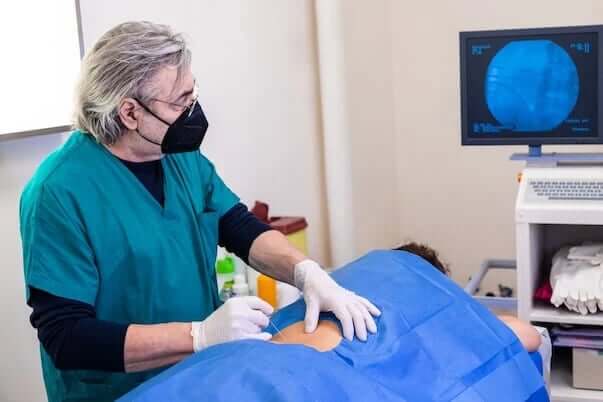
A CME course may provide focused education about a procedure, diagnosis, technology, or treatment approach. Certification involves a formal credentialing process with defined requirements.
For example, a physician who wants to learn more about a specific procedure may benefit from a focused educational course or hands-on workshop.
A physician seeking formal recognition of specialized expertise may instead consider a certification pathway such as ABPM, an interdisciplinary Pain Medicine board certification, ABIPP, or the WIP FIPP examination, depending on eligibility and professional goals.
What Makes a Pain Management Certification Worth It?
Not every credential provides the same professional value. Physicians should evaluate several factors before committing to a certification program.
Eligibility and Training Requirements
Start by determining whether you are eligible.
Some pathways require specific primary board certification, accredited fellowship training, clinical practice experience, or other qualifications.
The WIP FIPP examination, for example, has defined eligibility requirements, including requirements related to training and clinical practice. Candidates should review the current WIP examination bulletin before applying. Understanding eligibility in advance can prevent wasted time and application expenses.
Does Certification Improve Career Opportunities?
Certification can strengthen a physician's professional profile, but it should not be considered a guarantee of employment, reimbursement, referrals, income, or career advancement.
Its value depends on the physician's professional circumstances and the recognition of the credential in their specific practice environment.
For physicians pursuing academic positions, hospital opportunities, leadership roles, or specialized pain practices, an appropriate certification may demonstrate commitment to professional development and specialized expertise.
However, hospitals, employers, and medical groups may have their own credentialing and privileging requirements.
Certification for Physicians Already Practicing Pain Medicine
Experienced physicians may approach certification differently from residents and fellows.
A physician already practicing pain medicine should first identify which certification pathways recognize their existing education, training, specialty certification, and clinical experience.
Some pathways are closely connected to accredited fellowship training, while others have different eligibility structures.
The FIPP pathway can be particularly relevant to established physicians whose clinical practice is substantially focused on interventional pain medicine, provided they meet WIP's current requirements.
The Role of Professional Education in Certification Preparation
Formal certification is only one part of professional development. Physicians preparing for a certification examination may also benefit from structured review programs, CME activities, conferences, procedural workshops, and other educational resources.
NRAP Academy can complement this professional development process by providing pain medicine education and board review resources for physicians seeking to strengthen their knowledge.
Educational preparation should complement, rather than replace, the official requirements and examination information provided by the certifying organization.
Final Thoughts
Choosing a pain management certification requires more than comparing program names. Physicians should evaluate eligibility, training requirements, examination standards, professional recognition, maintenance obligations, cost, and long-term career relevance.
The major pathways serve different purposes. ABPM provides a dedicated Pain Medicine certification pathway. ABPMR, ABA, and ABPN participate in the interdisciplinary Pain Medicine subspecialty certification pathway for eligible physicians from their respective primary specialties. ABIPP provides a specialized pathway focused on interventional pain management.
For physicians focused on interventional pain, the World Institute of Pain FIPP examination is another important certification opportunity. The FIPP credential is specifically designed around interventional pain practice and includes written, oral, and cadaver components. WIP currently lists upcoming examination opportunities in Istanbul, Seoul, and São Paulo.
FAQs
What is pain management certification?
Pain management certification is a formal professional credential that recognizes physicians who meet defined requirements for education, training, clinical experience, and knowledge in Pain Medicine or a related area.
Which pain management certification is best?
There is no single certification that is best for every physician. The appropriate pathway depends on primary specialty, fellowship training, clinical focus, career goals, and the professional recognition of the credential.
What is the WIP FIPP examination?
FIPP stands for Fellow of Interventional Pain Practice. The examination is administered by the World Institute of Pain and is designed to assess competency in interventional pain practice. WIP describes the examination as including written, oral, and cadaver components.
Who should consider the FIPP examination?
The FIPP examination may be particularly relevant to physicians whose clinical practice is focused on interventional pain medicine and who meet the WIP's eligibility requirements.
What are the upcoming FIPP examination dates?
The World Institute of Pain currently lists FIPP examination dates including October 25, 2026, in Istanbul; January 24, 2027, in Seoul; and March 14, 2027, in São Paulo. Physicians should verify the latest schedule and application deadlines directly with WIP.