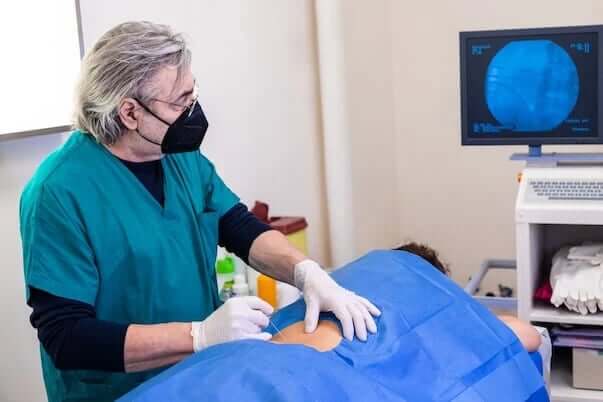
Completing residency is a major milestone, but for physicians pursuing a career in pain medicine, selecting the right pain management fellowship is one of the most important decisions they will make. Fellowship training provides advanced clinical experience, procedural expertise, and exposure to multidisciplinary patient care that prepares physicians to manage a wide range of acute and chronic pain conditions.
With numerous fellowship programs available, comparing curriculum, procedural training, faculty expertise, research opportunities, and clinical experience can feel overwhelming. Choosing the right program requires looking beyond reputation alone and finding a fellowship that aligns with your long-term career goals, interests, and preferred practice setting.
Whether you plan to work in academic medicine, private practice, or a hospital-based pain center, selecting the right fellowship can significantly influence your future career.
Why a Pain Management Fellowship Matters
Pain medicine is a rapidly evolving specialty that requires comprehensive knowledge and technical expertise. During a fellowship, physicians develop advanced skills in diagnosing and treating complex pain conditions using evidence-based medical management, minimally invasive procedures, rehabilitation strategies, and multidisciplinary care models.
A high-quality pain management fellowship provides structured education while allowing fellows to gain confidence in performing interventional procedures and managing patients with diverse pain conditions. The experience also helps physicians transition from supervised training to independent clinical practice.
Consider Program Accreditation
Many applicants prioritize ACGME-accredited fellowship programs because they follow nationally recognized educational standards, maintain structured curricula, and provide comprehensive clinical training. Accreditation also demonstrates that a program meets established requirements for faculty, patient volume, educational resources, and resident supervision.
Graduating from an accredited program may support future career opportunities and credentialing requirements depending on your career path and practice location. Understanding a program's accreditation status should be an important part of your evaluation process.
Evaluate Clinical Training
Clinical experience is the foundation of every fellowship. Look for programs that expose fellows to a wide variety of pain conditions, including spinal disorders, neuropathic pain, cancer-related pain, musculoskeletal disorders, joint pain, complex regional pain syndrome, headache disorders, and postoperative pain management.
Exposure to patients with diverse medical backgrounds helps fellows develop strong diagnostic reasoning and individualized treatment planning skills. Broad clinical experience prepares physicians for the wide range of patients encountered in practice.
Assess Interventional Procedure Experience
Procedural training is often one of the primary reasons physicians pursue an interventional pain fellowship. Review the types and volume of procedures performed during training. Fellows should gain experience with fluoroscopic and ultrasound-guided interventions while developing proficiency in evidence-based pain management techniques.
Programs may offer training in epidural steroid injections, facet joint procedures, medial branch blocks, radiofrequency ablation, sacroiliac joint injections, peripheral nerve blocks, spinal cord stimulation, intrathecal therapies, vertebral augmentation, and other advanced procedures depending on faculty expertise and institutional resources. Hands-on procedural experience builds confidence and technical competence.
Review Faculty Experience
Experienced faculty play a significant role in fellowship education. Look for programs led by physicians with strong clinical backgrounds, teaching experience, and active involvement in pain medicine. Faculty members who participate in research, professional organizations, and national conferences often provide valuable mentorship and career guidance.
Learning from experienced physicians through pain management CME programs exposes fellows to different treatment philosophies while encouraging lifelong professional development. Strong mentorship often continues well beyond fellowship graduation, helping physicians stay current with evolving pain management practices and clinical advancements.
Consider the Multidisciplinary Approach
Modern pain management extends beyond procedural interventions. Comprehensive fellowship programs expose physicians to multidisciplinary care involving physical medicine, rehabilitation, psychology, neurology, anesthesiology, orthopedic surgery, neurosurgery, oncology, rheumatology, physical therapy, and behavioral health.
Working alongside multiple specialties helps fellows understand how collaborative care improves patient outcomes. A multidisciplinary environment prepares physicians to develop comprehensive treatment plans for complex pain conditions.
Research and Academic Opportunities
If you are interested in academic medicine, research opportunities should be an important consideration. Many fellowship programs encourage participation in clinical research, quality improvement initiatives, publications, and national conference presentations. Research experience strengthens critical thinking while contributing to the advancement of pain medicine.
Academic involvement may also enhance future career opportunities within universities, teaching hospitals, and research institutions. Even physicians planning private practice can benefit from understanding current evidence and emerging treatment approaches.
Evaluate Patient Volume and Case Diversity
The number and variety of patients seen during fellowship directly influence clinical experience. Programs with diverse patient populations provide exposure to both common and uncommon pain conditions, allowing fellows to refine diagnostic and procedural skills across a broad spectrum of clinical scenarios.
High patient volume also allows repeated practice of procedural techniques under faculty supervision. Consistent clinical exposure builds both competence and confidence.
Educational Curriculum
A structured educational program complements hands-on training. Look for fellowships that include regular lectures, journal clubs, multidisciplinary conferences, case discussions, morbidity and mortality conferences, simulation training, and board preparation resources.
An organized curriculum helps reinforce clinical knowledge while encouraging evidence-based decision-making. Ongoing education remains essential throughout a physician's career.
Work-Life Balance and Wellness
Fellowship training is demanding, but physician wellness is equally important. Programs that promote healthy work environments, supportive faculty relationships, reasonable schedules, and access to wellness resources help fellows maintain professional satisfaction while managing clinical responsibilities.
Balanced training environments often support better learning, improved patient care, and reduced physician burnout. Evaluating program culture is just as important as reviewing procedural numbers.
Career Placement and Alumni Success
A fellowship's graduates often reflect the strength of its training. Review where previous fellows have established their careers. Alumni working in respected private practices, academic medical centers, hospitals, and leadership positions may indicate strong educational preparation.
Speaking with former fellows can provide valuable insight into the program's strengths, mentorship, and career support. Successful graduates often demonstrate the long-term value of comprehensive training.
Matching Your Career Goals
Every physician has unique professional aspirations. Some fellows hope to build careers in academic medicine, while others plan to enter private practice or hospital-based pain management. Consider whether a program's strengths align with your intended career path.
For physicians interested in advanced procedures, selecting a strong interventional pain fellowship may provide broader procedural exposure. Those interested in research or teaching may prioritize programs with significant academic resources. Choosing a fellowship that matches your long-term goals increases the value of your training experience.
Preparing a Competitive Application
Admission to many fellowship programs is highly competitive. Strong academic performance, positive letters of recommendation, research involvement, procedural experience during residency, leadership activities, and a clear commitment to pain medicine all strengthen an application.
Applicants should also prepare thoughtful personal statements that explain their interest in pain management and long-term career objectives. Early preparation allows candidates to present a well-rounded application.
Conclusion
Choosing the right pain management fellowship is an important step toward building a successful career in pain medicine. At NRAP Academy, we encourage applicants to look beyond reputation and carefully evaluate ACGME accreditation, clinical training, procedural experience, faculty mentorship, research opportunities, educational curriculum, and overall program culture when selecting the fellowship program that best fits their career goals.
Whether your goal is completing an interventional pain fellowship, pursuing academic medicine, or entering private practice, selecting a program that aligns with your professional interests will provide the knowledge, technical skills, and clinical experience needed for long-term success. Taking the time to thoroughly evaluate each fellowship opportunity helps ensure you receive training that supports both your immediate educational needs and your future career aspirations.
FAQs
What is a pain management fellowship?
A pain management fellowship is advanced postgraduate medical training that prepares physicians to diagnose and treat acute and chronic pain using medical, procedural, and multidisciplinary approaches.
Why is ACGME accreditation important?
ACGME accreditation indicates that a fellowship program meets nationally recognized educational standards and provides structured clinical training.
What procedures are taught during an interventional pain fellowship?
Training may include epidural steroid injections, facet joint procedures, medial branch blocks, radiofrequency ablation, spinal cord stimulation, peripheral nerve blocks, and other minimally invasive pain management techniques.
How long does a pain management fellowship last?
Most pain management fellowships are one year in duration, although specific program structures may vary.
What should applicants look for in a fellowship program?
Applicants should evaluate accreditation, procedural volume, faculty expertise, clinical diversity, research opportunities, educational curriculum, mentorship, wellness support, and career placement outcomes.