
Regenerative medicine is transforming the landscape of pain management by offering biologic solutions that promote healing rather than simply masking symptoms. However, the success of these therapies depends heavily on identifying the right regenerative pain treatment candidates.
For pain physicians, understanding patient selection criteria is essential to achieving optimal outcomes. This article provides a practical, clinically relevant guide to regenerative medicine patient selection, including PRP use, biologic therapy indications, and the role of physician education.
Introduction to Regenerative Pain Treatments
Regenerative therapies have gained significant attention in recent years due to their potential to repair damaged tissues and improve long-term outcomes in chronic pain conditions.
What Is Regenerative Medicine in Pain Management?
Regenerative medicine involves the use of biologic agents such as:
- Platelet-rich plasma (PRP)
- Stem cell therapies
- Growth factor-based treatments
These therapies aim to stimulate the body’s natural healing processes rather than relying solely on symptom control.
Growing Role in Clinical Practice
The integration of regenerative therapies into mainstream practice is increasing. Many physicians are now incorporating these techniques after completing regenerative medicine courses or participating in an online pain management program.
As awareness grows, so does the importance of selecting appropriate patients for these advanced treatments.
Understanding Regenerative Pain Treatment Candidates
Not all patients with chronic pain are suitable for regenerative therapies. Proper selection is critical to maximizing benefits and minimizing ineffective treatments.
Why Patient Selection Matters
Effective patient selection ensures:
- Higher success rates
- Reduced treatment failures
- Better patient satisfaction
- Efficient resourceutilization
Physicians trained through cme pain management online programs are often better equipped to evaluate candidacy.
Key Clinical Considerations
Important factors include:
- Type and severity of condition
- Chronicity of pain
- Previoustreatments
- Overall health status
These considerations form the foundation of regenerative medicine for patient selection.
Regenerative Medicine Patient Selection Principles
Selecting candidates for regenerative therapies requires a structured and evidence-based approach.
Biological and Structural Factors
Key biological considerations include:
- Tissue viability
- Degree of degeneration
- Presence of inflammation
Patients with mild to moderate degeneration often respond better than those with advanced structural damage.
Functional and Lifestyle Considerations
Lifestyle factors also play a critical role:
- Activity level
- Smoking status
- Obesity
- Compliance with rehabilitation
Physicians with PM&R Board Certification training often emphasize functional outcomes when selecting patients.
PRP Candidate Selection
Platelet-rich plasma (PRP) is one of the most used regenerative therapies in pain management.
Ideal Indications for PRP
Effective PRP candidate selection includes patients with:
- Tendinopathies (e.g., tennis elbow, Achilles tendinitis)
- Mild to moderate osteoarthritis
- Ligament injuries
- Muscle strains
Physicians trained through a joint injection course online are often skilled in identifying and treating these conditions.
Contraindications and Limitations
PRP may not be suitable for:
- Advanced joint degeneration
- Active infections
- Blood disorders
- Patients on anticoagulation therapy
Understanding these limitations is crucial for safe practice.
Biologic Therapy Pain Indications
Biologic therapies extend beyond PRP and include a variety of advanced regenerative techniques.
Conditions That Respond Well
Common biologic therapy pain indications include:
- Osteoarthritis
- Chronic tendon injuries
- Degenerative disc disease
- Soft tissue injuries
These conditions often benefit from biologic stimulation of healing.
Evidence-Based Clinical Use
Clinical evidence supports regenerative therapies in selected patients, particularly when:
- Conservative treatments fail
- Surgery is not indicated
- Patients prefer minimally invasive options
Physicians who complete a regional anesthesia online course often gain additional insight into targeted treatment approaches.
Diagnostic Evaluation Before Referral
Accurate diagnosis is essential before initiating regenerative therapies.
Imaging and Clinical Assessment
Evaluation should include:
- MRI or ultrasound imaging
- Physical examination
- Functional assessment
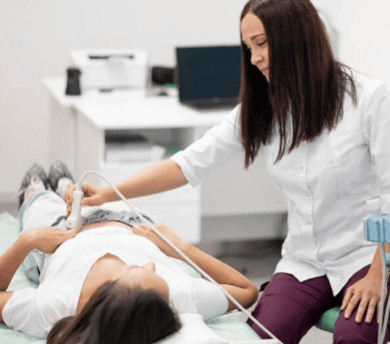
These tools help confirm the source of pain and determine suitability for treatment.
Role of Diagnostic Injections
Diagnostic injections can:
- Identifypain generators
- Predict treatment response
- Guide therapeutic decisions
Hands-on experience from a joint injection course online enhances diagnostic accuracy.
Integrating Regenerative Therapies into Practice
Regenerative treatments should be part of a comprehensive pain management strategy.
Combining with Conventional Treatments
Best outcomes are achieved when regenerative therapies are combined with:
- Physical therapy
- Medication management
- Lifestyle modifications
This multimodal approach ensures holistic care.
Multimodal Pain Management
A multidisciplinary approach may include:
- Interventional procedures
- Rehabilitation programs
- Psychological support
Physicians enrolled in an online pain management program are often trained in these integrated strategies.
Role of Physician Education and Training
Education plays a pivotal role in ensuring safe and effective use of regenerative therapies.
Importance of Certification and CME
Continuous learning is essential. Recommended pathways include:
- PM&R Board Certification
- cmepain management online
- Structured clinical training programs
These programs enhance clinical judgment and procedural skills.
Recommended Courses and Programs
Physicians should consider:
- regenerative medicine coursesfor biologic therapies
- joint injection course onlinefor procedural skills
- regional anesthesia online coursefor precision techniques
- Comprehensiveonline pain management program
These resources improve confidence and clinical outcomes.
Patient Counseling and Expectation Management
Proper patient education is critical for treatment of success.
Setting Realistic Outcomes
Patients should understand:
- Regenerative therapies are not instant fixes
- Results may take weeks to months
- Outcomes vary based on condition
Clear communication improves satisfaction.
Risks, Benefits, and Follow-Up
Physicians must discuss:
- Potential benefits
- Possible risks
- Need for follow-up treatments
Educated patients are more likely to adhere to care plans.
Conclusion
Selecting the right candidates for regenerative therapies is essential for achieving optimal outcomes in pain management. By applying structured regenerative medicine patient selection principles, understanding PRP candidate selection, and recognizing biologic therapy pain indications, physicians can deliver more effective and personalized care.
Ongoing education through regenerative medicine courses, joint injection course online, and cme pain management online programs further enhances clinical expertise. As regenerative therapies continue to evolve, well-informed physicians will be best positioned to integrate these innovations into practice successfully.
FAQs
1. Who are ideal candidates for regenerative pain treatments?
Patients with mild to moderate tissue damage, chronic pain, unresponsive to conservative care, and good overall health are ideal candidates.
2. What is PRP and when is it used?
PRP is a biologic therapy derived from the patient’s blood, commonly used for tendon injuries, osteoarthritis, and soft tissue conditions.
3. Are regenerative therapies safe?
Yes, when used appropriately. Proper patient selection and physician training are essential for safety.
4. How long does it take to see results?
Results typically appear within weeks to months, depending on the condition and therapy used.
5. How can physicians improve their skills in regenerative medicine?
By enrolling in regenerative medicine courses, completing a joint injection course online, and participating in cme pain management online programs.