Continuing medical education plays a vital role in helping physicians stay current with evolving clinical guidelines, emerging technologies, and evidence-based treatment approaches. In the rapidly advancing field of pain medicine, selecting the right pain management CME courses can significantly enhance clinical knowledge, procedural skills, and patient care outcomes.
With countless educational programs available, physicians often face the challenge of determining which courses provide practical value rather than simply fulfilling continuing education requirements. The most effective CME programs combine current scientific evidence with real-world clinical applications, allowing healthcare professionals to immediately incorporate new knowledge into daily practice.
Whether you are an anesthesiologist, physiatrist, neurologist, family physician, orthopedic specialist, or another healthcare professional involved in pain management, choosing high-quality continuing education supports lifelong learning and improved patient care.
Why Continuing Medical Education Matters
Medicine continues to evolve as new research, technologies, and treatment strategies emerge. Continuing education allows physicians to remain informed about updated clinical guidelines, new procedural techniques, medication developments, and evolving standards of care. Maintaining current knowledge supports better clinical decision-making while helping physicians provide safe and effective treatment.
High-quality physician education also promotes professional confidence and encourages continuous improvement throughout a medical career. Learning does not end after residency or fellowship it continues throughout clinical practice.
What Are Pain Management CME Courses?
Pain management CME courses are educational programs designed to help healthcare professionals expand their knowledge and skills in diagnosing, evaluating, and treating patients with acute and chronic pain conditions.
Course topics often include musculoskeletal disorders, neuropathic pain, spine disorders, cancer pain, headache management, pharmacologic therapies, interventional procedures, rehabilitation strategies, behavioral medicine, and multidisciplinary treatment approaches.
Programs may be offered through live conferences, hands-on workshops, virtual learning platforms, webinars, or self-paced online modules. This flexibility allows physicians to select learning formats that fit their schedules and professional goals.
Choose Accredited CME Programs
One of the first considerations when selecting continuing education is accreditation. Accredited CME programs meet recognized educational standards established by accredited organizations. These programs are developed using evidence-based content, educational objectives, and faculty expertise to ensure physicians receive high-quality learning experiences.
Accredited education also helps physicians satisfy licensing, credentialing, hospital privilege, and certification maintenance requirements where applicable. Verifying accreditation provides confidence in the quality and credibility of the educational program.
Focus on Practical Clinical Application
The most valuable CME programs extend beyond theoretical knowledge. Courses should provide practical information that physicians can immediately apply in clinical practice. Case discussions, treatment algorithms, patient selection strategies, procedural demonstrations, and evidence-based decision-making often create more meaningful learning experiences than lecture-based presentations alone.
Practical education supports better patient outcomes by helping physicians translate new knowledge into everyday clinical care. Real-world relevance is an important factor when evaluating educational programs.
Evaluate Faculty Expertise
Experienced instructors contribute significantly to educational quality. Look for CME programs taught by physicians with extensive clinical experience, academic involvement, research contributions, and recognized expertise in pain medicine. Faculty who actively practice within the specialty often provide valuable insights into current treatment strategies and clinical challenges.
Learning from respected educators allows participants to benefit from years of practical experience in addition to published research. Strong faculty also encourage thoughtful discussion and professional development.
Consider Hands-On Learning Opportunities
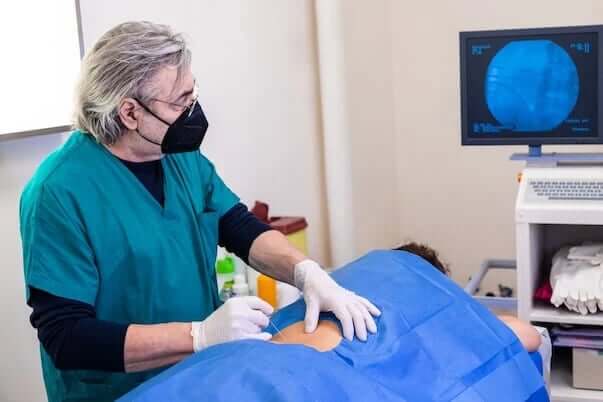
For physicians performing interventional procedures, practical training is especially valuable. Hands-on workshops may include image-guided techniques, ultrasound instruction, fluoroscopy training, anatomy review, simulation exercises, and procedural demonstrations. These educational experiences allow participants to strengthen technical skills under expert supervision.
Combining didactic instruction with practical application often improves knowledge retention and procedural confidence. For physicians preparing for PM&R Board Certification, hands-on learning serves as an important complement to clinical experience by reinforcing core concepts, refining procedural techniques, and building the confidence needed for both board examinations and everyday patient care.
Select Courses That Match Your Practice
Every physician's educational needs are different. Primary care physicians may seek courses focused on chronic pain evaluation, medication management, and referral strategies. Interventional specialists often prioritize procedural training, while rehabilitation physicians may focus on multidisciplinary care and functional restoration.
Choosing pain management CME courses that align with your patient population and professional responsibilities provides greater long-term value. Targeted education helps physicians address the clinical challenges they encounter most frequently.
Stay Current With Evidence-Based Medicine
Pain management continues to evolve rapidly. New clinical research, updated treatment guidelines, emerging technologies, and evolving recommendations influence patient care every year. High-quality CME programs present current scientific evidence while discussing how recent developments affect clinical decision-making.
Evidence-based education supports consistent, high-quality patient care while reducing reliance on outdated practices. Remaining current helps physicians adapt to changes within the specialty.
Explore Multidisciplinary Learning
Pain medicine often requires collaboration among multiple healthcare disciplines. Comprehensive CME programs may include perspectives from anesthesiology, physical medicine and rehabilitation, neurology, orthopedic surgery, psychology, physical therapy, oncology, rheumatology, and primary care.
Understanding multidisciplinary approaches helps physicians develop comprehensive treatment plans that address the complex nature of chronic pain. Collaborative learning supports more holistic patient care.
Online Versus In-Person CME
Modern continuing education offers flexible learning options. Online courses allow physicians to complete educational activities at their own pace while reducing travel time and scheduling conflicts. Live conferences provide opportunities for networking, faculty interaction, case discussions, and hands-on workshops.
Many physicians benefit from combining both learning formats throughout the year. Selecting the right format depends on educational objectives, available time, and personal learning preferences.
Consider Long-Term Professional Development
Continuing education should support more than annual CME requirements. Well-designed educational plans help physicians build expertise over time by expanding knowledge in specialized areas, improving procedural proficiency, strengthening diagnostic reasoning, and supporting career advancement.
Developing a structured learning strategy contributes to lifelong professional growth while enhancing patient care quality. Consistent education remains one of the best investments physicians can make in their careers.
Measuring the Impact of CME
The ultimate goal of continuing education is improved patient care. After completing a course, physicians should evaluate how new knowledge influences diagnostic accuracy, treatment planning, procedural outcomes, communication, and overall clinical decision-making.
Implementing practical changes in daily practice demonstrates the true value of continuing medical education. Continuous reflection supports ongoing professional improvement.
Building a Culture of Lifelong Learning
Successful physicians recognize that education is an ongoing process. Participating in conferences, workshops, journal clubs, online education, peer discussions, and professional organizations helps maintain current knowledge while encouraging continuous improvement.
Lifelong learning benefits not only individual physicians but also the patients and healthcare organizations they serve. Maintaining intellectual curiosity supports excellence throughout every stage of a medical career.
Conclusion
Choosing the right pain management CME courses involves more than earning continuing education credits. At NRAP Academy, our high-quality accredited CME programs provide practical, evidence-based learning experiences that strengthen clinical knowledge, improve procedural skills, and support better patient outcomes.
Whether through live conferences, hands-on workshops, or online physician education, selecting courses that align with your clinical practice and professional goals helps ensure continuing education delivers meaningful long-term value. By investing in relevant, high-quality CME, physicians can remain current with advances in pain medicine while continually improving the care they provide to patients.
FAQs
What are pain management CME courses?
Pain management CME courses are continuing medical education programs that help healthcare professionals expand their knowledge and skills in diagnosing and treating acute and chronic pain conditions.
Why is accredited CME important?
Accredited CME programs meet recognized educational standards and provide evidence-based learning that may satisfy licensing, credentialing, and certification requirements.
Who should take pain management CME courses?
These courses are valuable for physicians in anesthesiology, physical medicine and rehabilitation, neurology, family medicine, internal medicine, orthopedics, and other specialties involved in pain management.
Are online pain management CME courses effective?
Yes. High-quality online CME programs offer flexible, evidence-based education that allows physicians to learn at their own pace while maintaining busy clinical schedules.
How do I choose the best pain management CME course?
Look for accredited programs with experienced faculty, evidence-based content, practical clinical applications, relevant topics, and educational formats that align with your professional goals and patient population.