How to Choose the Best Pain Management CME Course in 2026 | NRAP Pain Insights

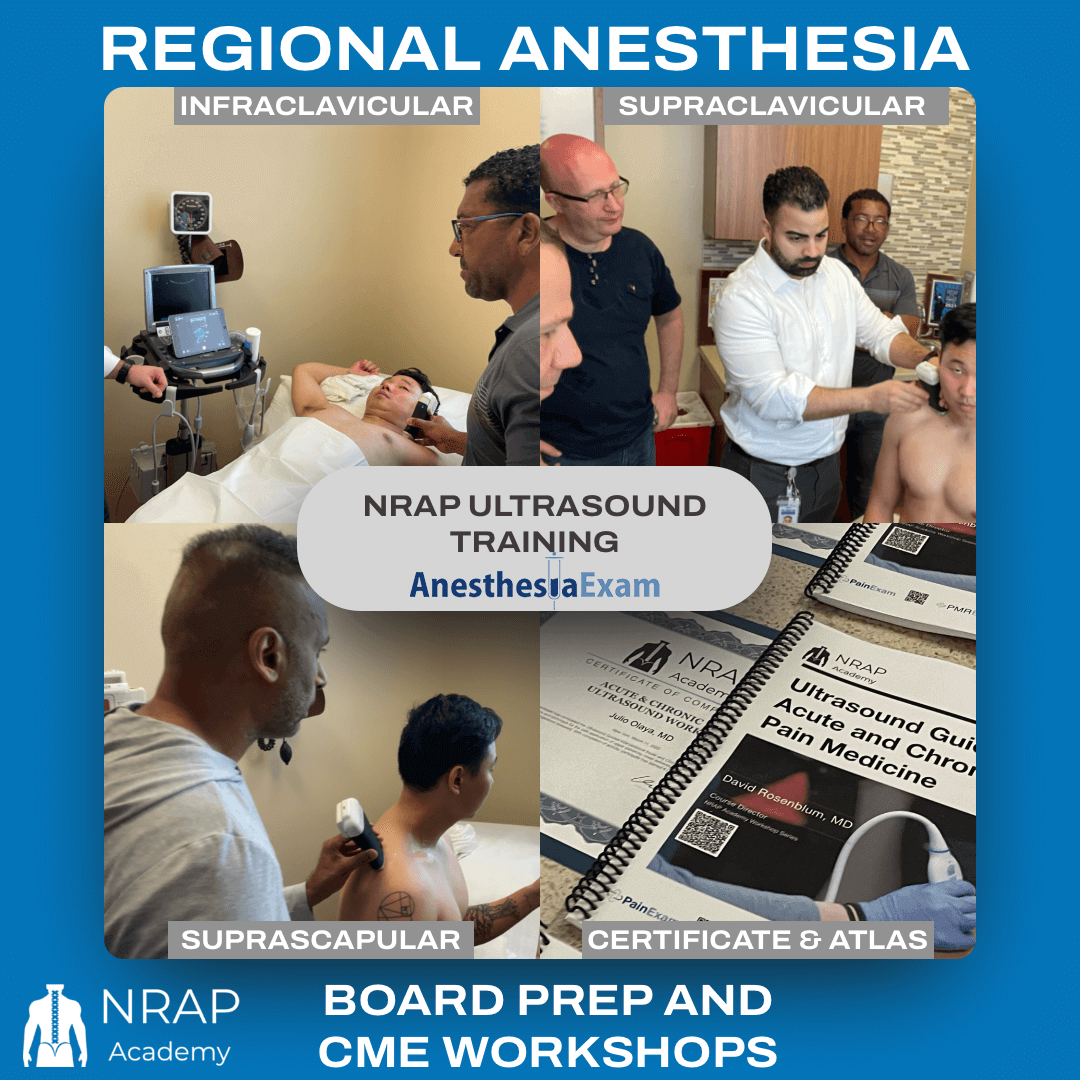
In the dynamic world of pain management, where new therapies and guidelines emerge regularly, continuous education is vital for healthcare providers to deliver optimal care. As we navigate 2025, organizations like NRAP Pain are at the forefront, delivering targeted Continuing Medical Education (CME) programs designed specifically for pain specialists. These encompass hands-on ultrasound-guided regional anesthesia workshops for acute and chronic pain, comprehensive on-demand board review courses, and the engaging PainExam Podcast, which features expert interviews on the latest interventional techniques and research breakthroughs.
Introduction
The field of pain management continues to advance rapidly, driven by innovations in non-opioid treatments and interventional procedures. For professionals seeking to enhance their skills, selecting a CME course that aligns with current trends is essential. NRAP Pain's offerings, including preceptorship opportunities and shadowing in ultrasound applications, provide practical, real-world training that bridges theory and practice.
Why CME is Essential for Pain Specialists in 2026
CME keeps pain specialists current amid the opioid crisis and advances like suzetrigine, a non-opioid analgesic for acute pain, and regenerative therapies like PRP injections. AI-driven diagnostics also reshape treatment protocols. CME ensures integration of these innovations into multimodal care, reducing opioid reliance and improving patient outcomes. Without updates, specialists risk outdated practices, misaligning with ASA guidelines and increasing liability.

Importance of Picking the Best Pain Management CME Course in 2026
Quality CME drives professional growth beyond compliance. In 2026, options like Harvard’s pain evaluation conference or Mayo Clinic’s webinars offer robust learning, but NRAP Academy’s PainExam Board Review and Ultrasound courses excel in practical experience, procedural precision, and has a forum where recent examinees discuss recently asked Pain Management Board Keywords and missed topics. PainExam also features videos, audio materials in addition to the PainExam Question Bank which has helped nearly 4,000 pain management physicians become boards certified. Poor choices may lack focus on niche topics like pelvic pain, headaches, neuromodulation, and can cost you time and money. Investing in specialized CME Board Prep such as PainExam enhances patient safety and reduces healthcare costs by confirming best practices and evidence based interventional pain medicine.
Why Choosing the Right CME Pain Board Prep Matters?
The right CME shapes daily practice and career longevity, especially as pain management merges with mental health and personalized care, transforming patient outcomes. It will make you a better Pain Physician and help keep you up to date.
Impact on Patient Care and Clinical Outcomes
Effective CME improves care through techniques like Ultrasound guideance, regenerative medicine and neuromodulation. NRAP Academy’s Pain courses like the virtual pain fellowship, emphasize multimodal strategies—pharmacologic, physical, and psychological—for holistic treatment, addressing chronic pain affecting 50 million Americans. Outdated knowledge risks ineffective care, prolonging patient suffering.
Meeting Licensure and Board Certification Requirements
States mandate 20-50 CME credits biennially, often pain-specific, to ensure competency amid the opioid epidemic. Boards like ABPM recognize accredited credits, as offered by Dannemiller’s 2025 Pain Review Course. Non-compliant courses risk license issues, while quality programs streamline certification with seamless documentation.
Key Criteria to Evaluate a Pain Management CME Course
A thorough evaluation involves multiple factors to ensure the course delivers maximum value. Balancing these criteria helps identify programs that are both educational and practical.
Accreditation and Recognized Credit Providers
Accreditation validates the integrity and relevance of educational content, protecting learners from substandard materials.
Importance of Accredited CME in Pain
In pain management, where ethical considerations around opioid prescribing are paramount, accreditation from the ACCME ensures unbiased, scientifically sound information. This is crucial for avoiding conflicts of interest and promoting patient-centered care.
AMA PRA Category 1 Credits and Board Recognition
Prioritize courses offering AMA PRA Category 1 Credits™, which are universally accepted and often required for board maintenance. NRAP Pain's programs, for instance, provide these alongside ABPM recognition, making them versatile for anesthesiologists, physiatrists, and other specialists.
Relevance to Pain Specialists
Content must address the unique challenges faced by pain experts, from diagnostic complexities to treatment personalization.
Specialty-Specific Topics for CME for Pain Specialists
Look for curricula covering niche areas like fibromyalgia, neuropathic pain, or post-operative management, rather than broad overviews that dilute focus.
Coverage of Interventional, Pharmacologic, and Multimodal Pain Approaches
Ideal courses integrate diverse modalities: interventional like epidural injections, pharmacologic updates on non-opioids such as adenosine-based therapies from Duke University, and multimodal plans incorporating cognitive behavioral therapy (CBT). This holistic coverage prepares specialists for real-world scenarios where single-modality treatments often fail.
Up-to-Date Content in 2026
Staying current is non-negotiable in a field evolving with technology and research.
Emerging Therapies, New Guidelines, Evidence-Based Updates
2025 highlights include resiniferatoxin (RTX) for intractable cancer pain, pioneered by NIH scientists, and AI-driven personalization in interventional pain management. Courses should reference recent ASRA guidelines and FDA approvals, ensuring learners can apply breakthroughs like next-generation regenerative medicine for lasting relief.
Format and Flexibility
Accessibility determines how effectively knowledge is absorbed amid demanding schedules.
Online, In-Person, Hybrid Options
Hybrid models, blending virtual lectures with in-person labs, cater to global audiences. Pri-Med's free online pain management CME, exemplifies flexibility for remote learners.
Self-Paced vs Live Workshops
Self-paced formats suit independent study, while live sessions, like NRAP Pain's ultrasound workshops, offer interactive preceptorships for skill-building through direct observation and practice.
Certification and Assessments
Rigorous evaluation reinforces retention and demonstrates mastery.
Exams, Case Studies, and Value of CME Pain Certification
Incorporate practical assessments like simulated cases on complex pain syndromes. Certifications from programs like myCME's offerings enhance credentials, signaling expertise to employers and patients.
Cost, Value, and Transparency
Financial considerations should align with delivered benefits.
Tuition, Access Length, Included Resources
Transparent pricing, including bundled resources like e-textbooks or podcast archives, maximizes ROI. Compare costs against inclusions, such as extended access for review.
Learner Support and Updates
Ongoing assistance sustains learning beyond the course.
Q&A Access, Discussion Boards, Ongoing Course Updates
Features like expert-led forums and annual refreshes keep content fresh. NRAP Pain's PainExam Podcast provides continuous updates through interviews, fostering a community of practice.
How to Compare CME Courses Effectively
Systematic comparison avoids overwhelm and ensures informed decisions.
Side-by-Side Comparison Method of the Best Pain Management CME courses in 2026
Use spreadsheets to contrast elements like credits, formats, and specialties across options such as Summit Spine's 2025 conferences.
- Credits Offered: Aim for 15+ AMA PRA per module.
- Unique Features: Prioritize hands-on elements like shadowing.
- Update Frequency: Ensure annual revisions for 2025 trends.
Checking Testimonials, Reviews, and Red Flags
Scrutinize feedback on platforms like MDLinx for authenticity. Avoid courses with complaints about outdated material or poor support.
NRAP Pain’s Approach to Best Pain Management cme course in 2026
NRAP Pain excels by fulfilling all evaluation criteria with tailored, innovative programs. Their ultrasound-guided courses for acute and chronic pain include live preceptorships, while board reviews offer on-demand flexibility. The Pain Exam Podcast, hosted by Dr. David Rosenblum, delivers cutting-edge insights via expert discussions. As noted in their own resources, NRAP Academy leads in education for physician assistants and specialists, trusted by thousands for evidence-based, accredited content in hybrid formats.
Tips for Physicians When Enrolling
Strategic enrollment maximizes benefits and integration into practice.
Planning CME Credits in Advance
Forecast needs based on state requirements, allocating time for high-impact topics like non-opioid alternatives.
Aligning Course Selection with Professional Goals
Match courses to career paths—if interventional-focused, opt for ultrasound-heavy programs; for research, choose those with guideline updates.
Documentation and Maximizing Learning
Maintain digital records and apply knowledge through journal clubs or simulations.
- Goal Setting: Identify specific skills, like mastering RTX applications.
- Active Participation: Engage in Q&A for deeper understanding.
- Post-Course Review: Schedule follow-ups to reinforce concepts.
Best Pain Management CME courses
To select the best pain management CME in 2025, weigh accreditation, relevance, timeliness, flexibility, assessments, cost, and support. These elements ensure education that advances patient care through innovations like neuromodulation and non-addictive painkillers. The profound impact of quality CME lies in its ability to evolve practices amid emerging trends.
For unparalleled value, consider NRAP Pain’s offerings, blending practical training with ongoing resources.
Frequently Asked Questions (FAQ)
- What accreditation should I prioritize in a 2026 pain management CME course? Focus on ACCME-accredited programs offering AMA PRA Category 1 Credits™ for universal acceptance and board compliance, as seen in NRAP Pain's specialized courses.
- How can I identify up-to-date content in CME for 2026?
Check for inclusions of recent advancements like suzetrigine or AI-driven therapies; reputable providers update annually based on FDA approvals and society guidelines. - Are hybrid CME formats effective for pain specialists?
Absolutely— they combine self-paced online learning with in-person workshops, ideal for mastering skills like ultrasound-guided interventions without travel burdens. - What learner support features enhance CME value?
Look for Q&A sessions, discussion forums, and content updates; podcasts like PainExam offer ongoing expert insights for sustained professional growth. - How does CME aid in board certification for pain management?
It supplies required credits and targeted prep through exams and case studies, helping maintain certifications with bodies like ABPM via programs like NRAP Pain's board reviews.