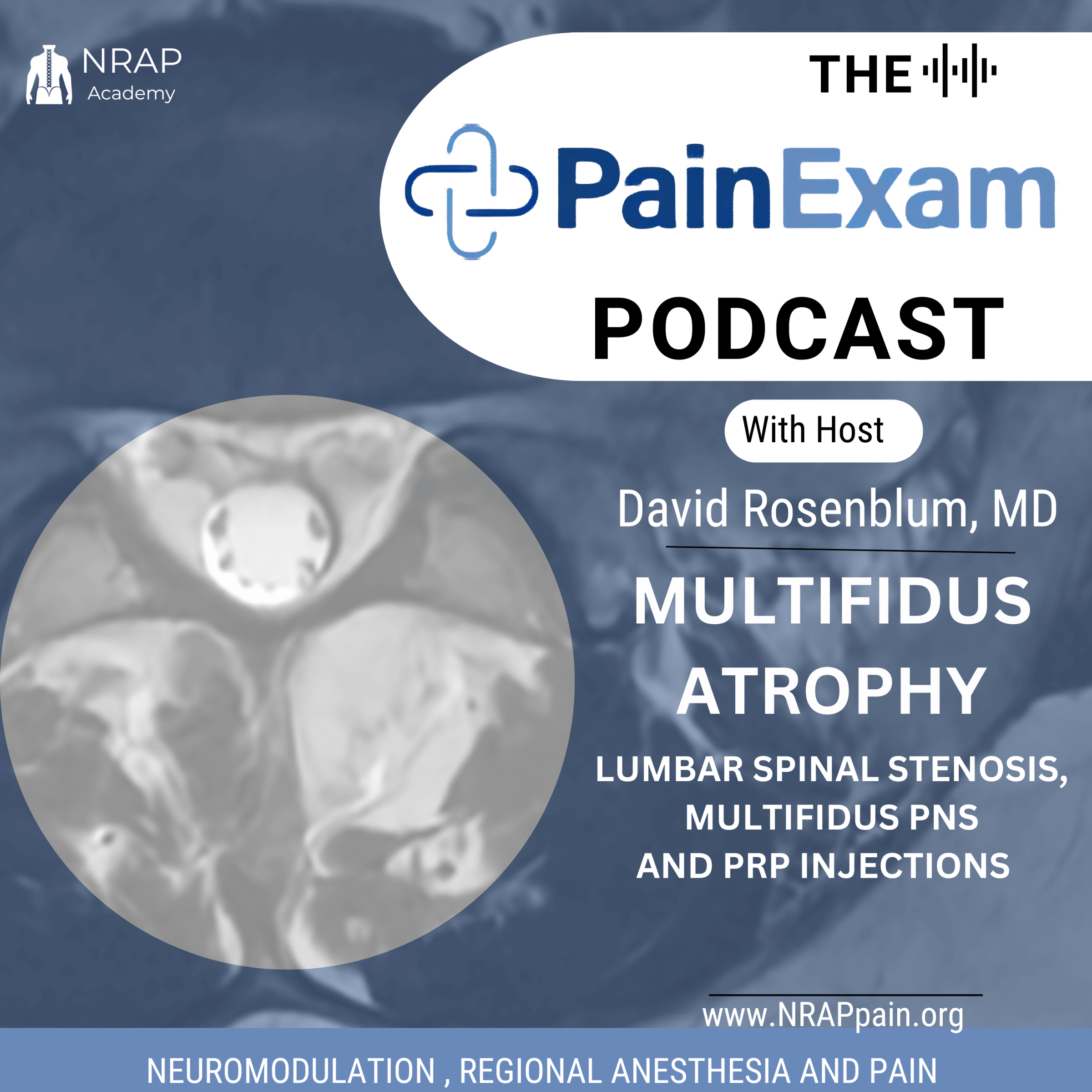
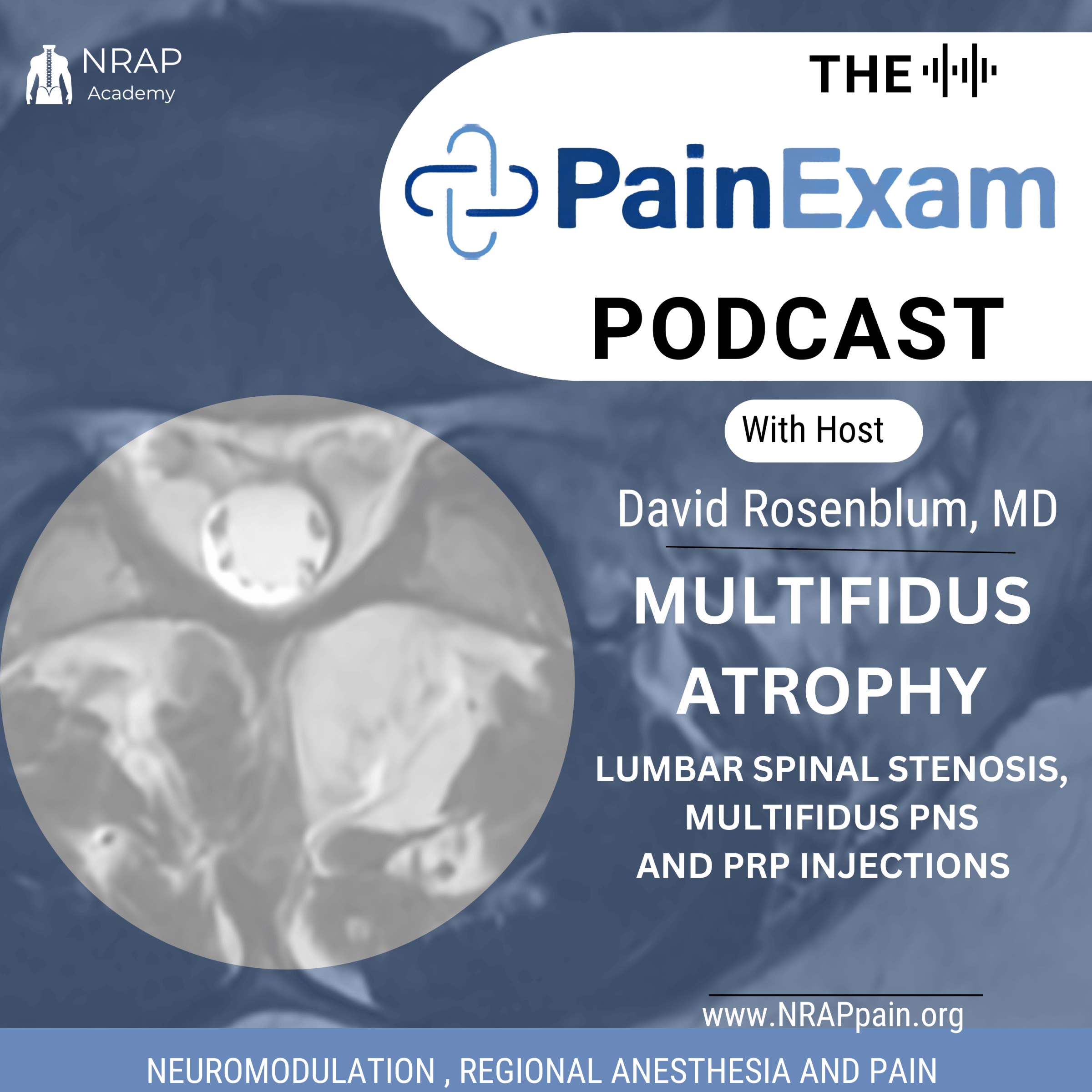
Multifidus Atrophy and Innovations in Pain Management: Insights from NRAP Academy's David Rosenblum, MD
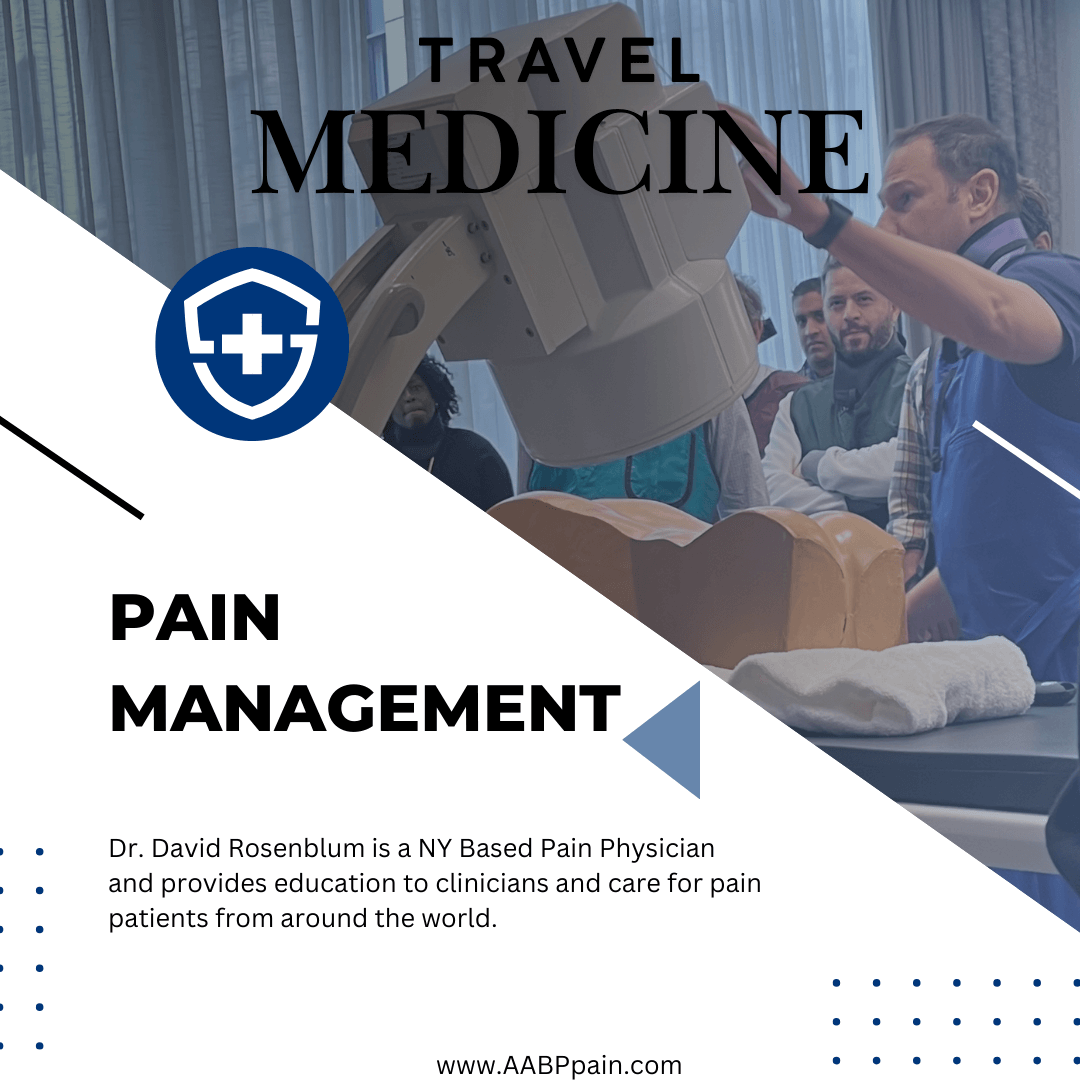
David Rosenblum, MD, a distinguished pain physician based in Garden City and Brooklyn, NY. Heis renowned for his contributions to pain management, especially through the PainExam Podcast and the PainExam Pain Management Board Review. In this blog post, we’ll explore key insights from a recent podcast episode where Dr. Rosenblum discusses groundbreaking studies in pain management, as well as highlight the educational opportunities available through NRAP Academy.
Multifidus atrophy refers to the degeneration or wasting of the multifidus muscles, which are a group of small muscles located along the spine. These muscles play a crucial role in stabilizing the vertebral column and maintaining proper posture and spinal alignment.
Causes of Multifidus Atrophy
Multifidus atrophy can occur due to several factors, including:
Inactivity: Prolonged periods of inactivity or bed rest can lead to muscle weakening and atrophy.
Injury: Spinal injuries or conditions such as herniated discs can lead to reduced use of the multifidus muscles.
Pain: Chronic pain conditions may cause individuals to alter their movement patterns, leading to disuse of the multifidus muscles.
Degenerative Conditions: Disorders like degenerative disc disease or spinal stenosis can contribute to muscle atrophy due to changes in spinal mechanics and movement.
Consequences of Multifidus Atrophy
The atrophy of the multifidus muscles can result in:
Decreased Spinal Stability: This can lead to an increased risk of injury or further degeneration of the spine.
Chronic Pain: Weakness in these stabilizing muscles may contribute to chronic low back pain.
Altered Movement Patterns: Individuals may develop compensatory movement strategies, potentially leading to further musculoskeletal issues.
Treatment and Rehabilitation
Rehabilitation strategies for multifidus atrophy often include:
Physical Therapy: Targeted exercises to strengthen the multifidus and other core muscles.
Manual Therapy: Techniques to improve spinal mobility and reduce pain.
Education on Posture and Movement: Teaching proper body mechanics to prevent further atrophy and injury.
Addressing multifidus atrophy is essential for improving spinal health and function, especially in individuals with chronic low back pain or degenerative spinal conditions.
When conservative therapy fails, interventions are indicated. Here we have 2 articles discussing Multifidus stimulation and PRP injections to treat back pain related to multifidus atrophy.
Multifidus Atrophy Featured Study 1: Autologous Platelet Leukocyte Rich Plasma Injections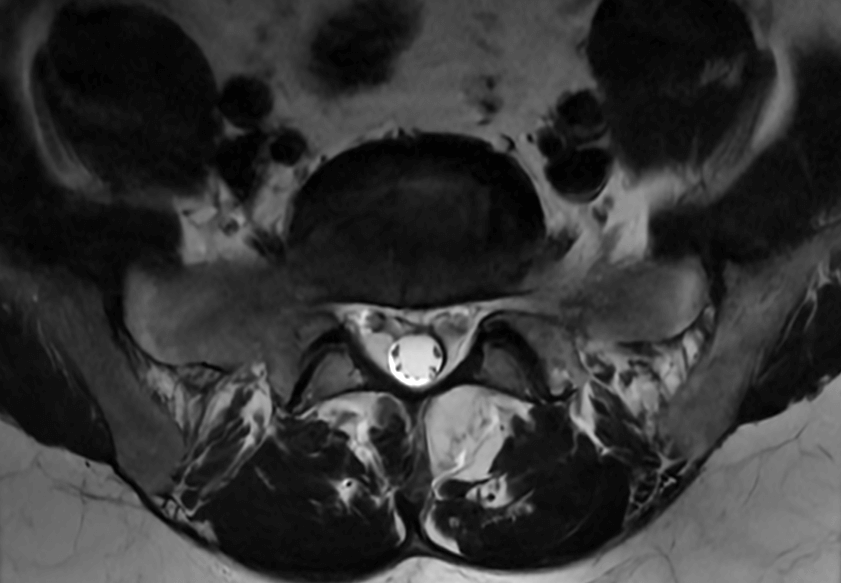
Effect of Autologous Platelet Leukocyte Rich Plasma Injections on Atrophied Lumbar Multifidus Muscle in Low Back Pain Patients with Monosegmental Degenerative Disc Disease
Authors: Mohamed Hussein, Tamer Hussein
1. Background: The correlation between lumbar multifidus muscle dysfunction and chronic low back pain.
2. Study Overview: Involving 115 patients treated with weekly PLRP injections over six weeks, with a 24-month follow-up.
3. Outcome Measures: Significant improvements in Numerical Rating Scale (NRS) and Oswestry Disability Index (ODI) scores, indicating high patient satisfaction.
4. PLRP injections are a safe and effective method for managing chronic low back pain.
Featured Multifidus Atrophy
Study 2: Degenerative Lumbar Spinal Stenosis
- Degenerative Lumbar Spinal Stenosis
Authors: Gen Xia, Xueru Li, Yanbing Shang, Bin Fu, Feng Jiang, Huan Liu, Yongdong Qiao
Key Points about Multifidus Atrophy Discussed:
1. Background: DLSS is a common condition in older adults, often leading to muscle atrophy and disability.
2. Study Overview: A retrospective analysis of 232 patients to investigate the correlation between muscle atrophy and the severity of spinal stenosis.
3. Results: Significant differences in the ratio of fat-free multifidus muscle cross-sectional area between stenotic and non-stenotic segments, revealing a strong correlation between muscle atrophy and spinal stenosis severity.
4. Conclusions: More severe spinal stenosis is associated with greater Multifidus Atrophy, highlighting the importance of addressing muscle health in DLSS patients.
NRAP Academy: Elevating Pain Management Education
In addition to his clinical insights, Dr. Rosenblum emphasizes the importance of continued education in pain management. The NRAP Academy offers a comprehensive range of educational resources designed for healthcare professionals looking to advance their knowledge in pain management and related specialties. Here’s what NRAP Academy provides:
Board Review Courses
- Anesthesiology - Pain Management - Physical Medicine and Rehabilitation
Regenerative Medicine Training
Live Workshops Online Training
The Virtual Pain Fellowship
For those interested in hands-on experience, the **Regional Anesthesia & Pain Ultrasound Course** is also available, with private training options tailored to individual needs. For more information, you can contact NRAP Academy at Info@NRAPpain.org
Internationally Renown Interventional Pain Physician
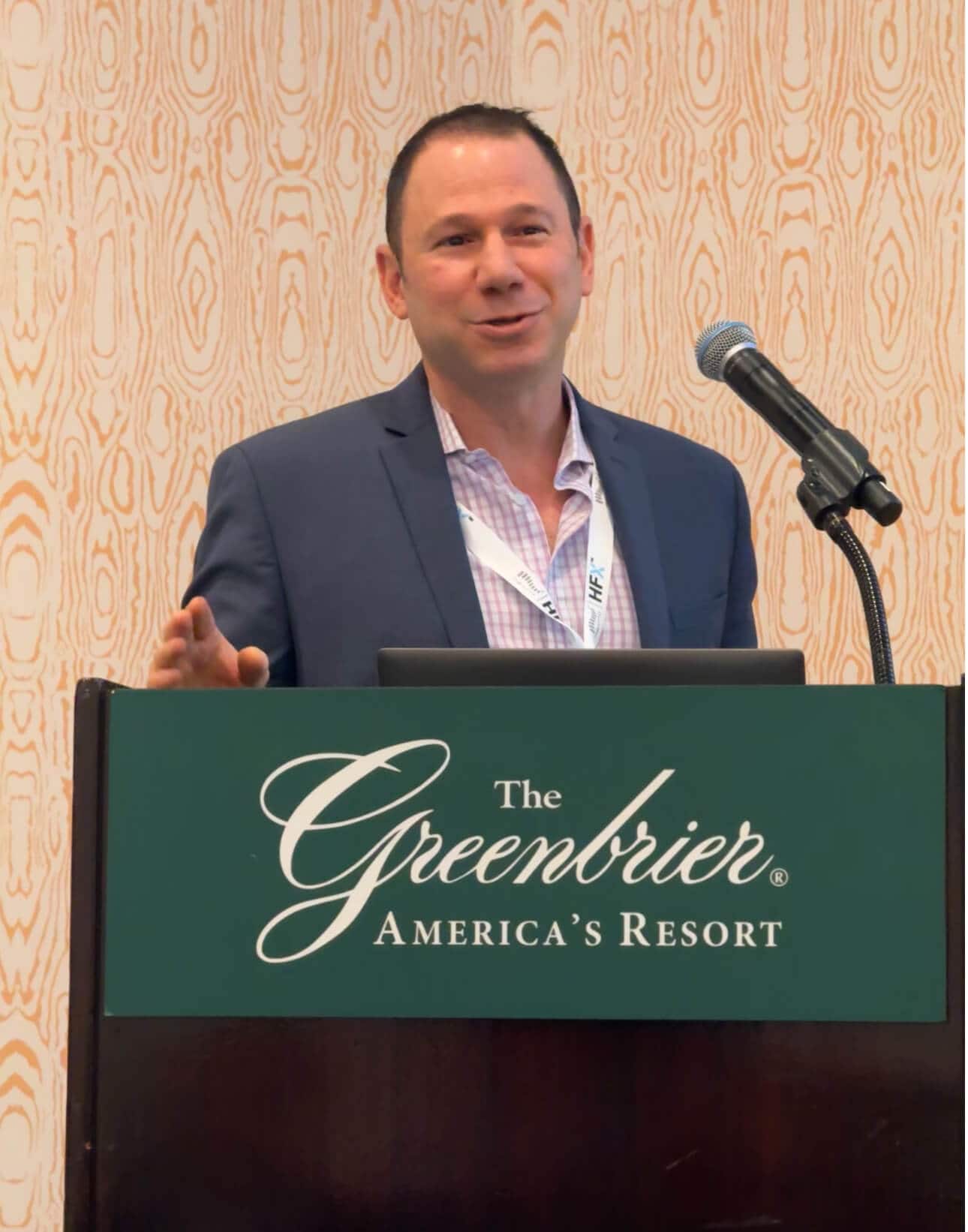
Dr. David Rosenblum continues to be a pivotal figure in pain management, sharing his expertise through various platforms, including the PainExam Podcast and NRAP Academy’s Continuing Medical Education Programs. By participating in these educational offerings, healthcare professionals can enhance their skills and improve the quality of care they provide to patients suffering from pain.
Through Dr. Rosenblum's publications, the PainExam Podcast, and YouTube channel, Dr. Rosenblum has become known around the world for his work utilizing regenerative medicine therapies, Neuromodulation under ultrasound and xray guidance to alleviate pain. Dr. Rosenblum accepts patients from NY and abroad and has been well regarded as, "the preeminent authority in ultrasound guided procedures...:
Patients can schedule a consultation at AABPPain.com or call 718 436 7246
If you are living outside of the United States and wish to set up a virtual or live consultation, email DRosenblum@RMCPain.com
---
This blog post aims to provide insights into the latest advancements in pain management while underscoring the importance of ongoing education in this evolving field. Stay tuned for more updates and discussions from Dr. Rosenblum and other experts in pain management!