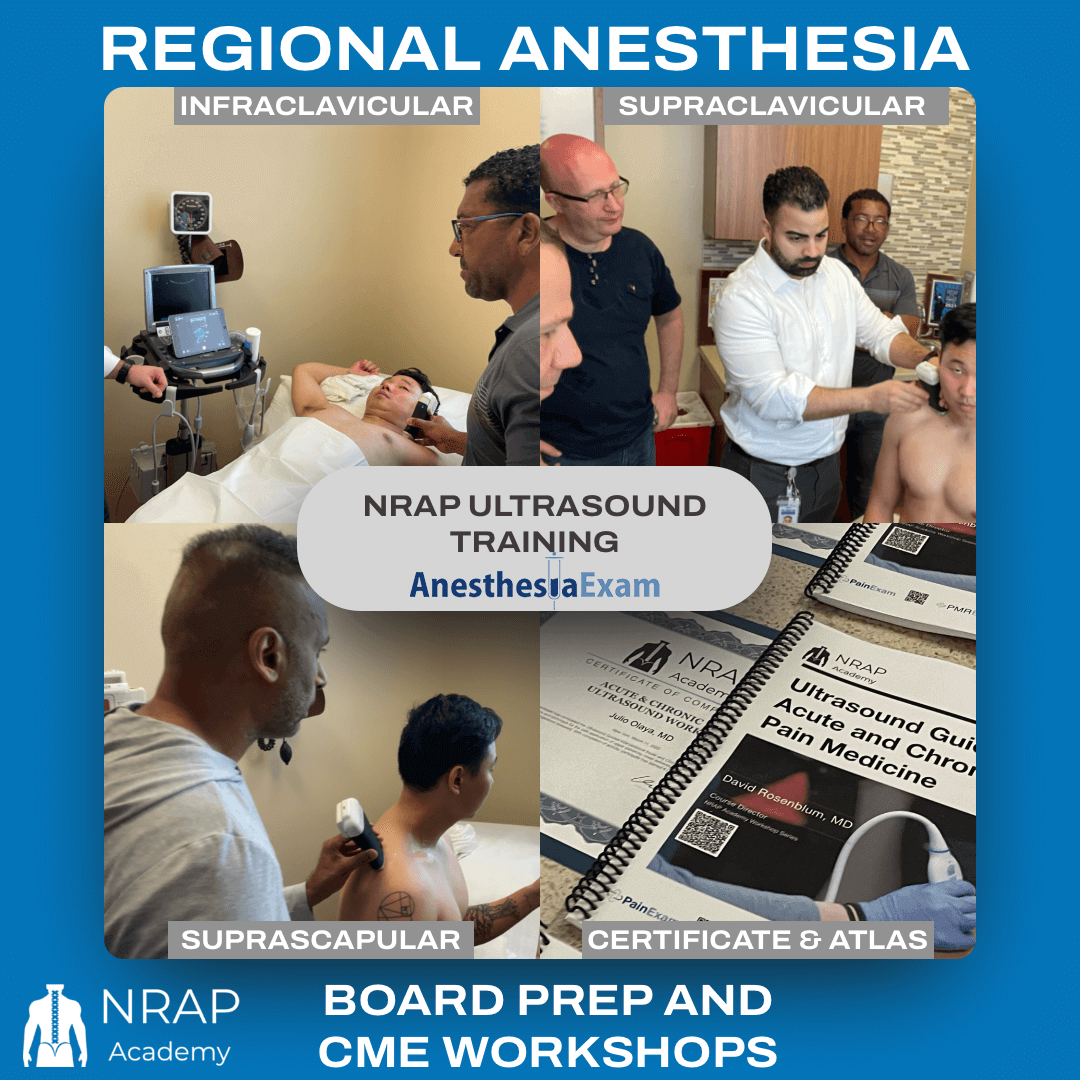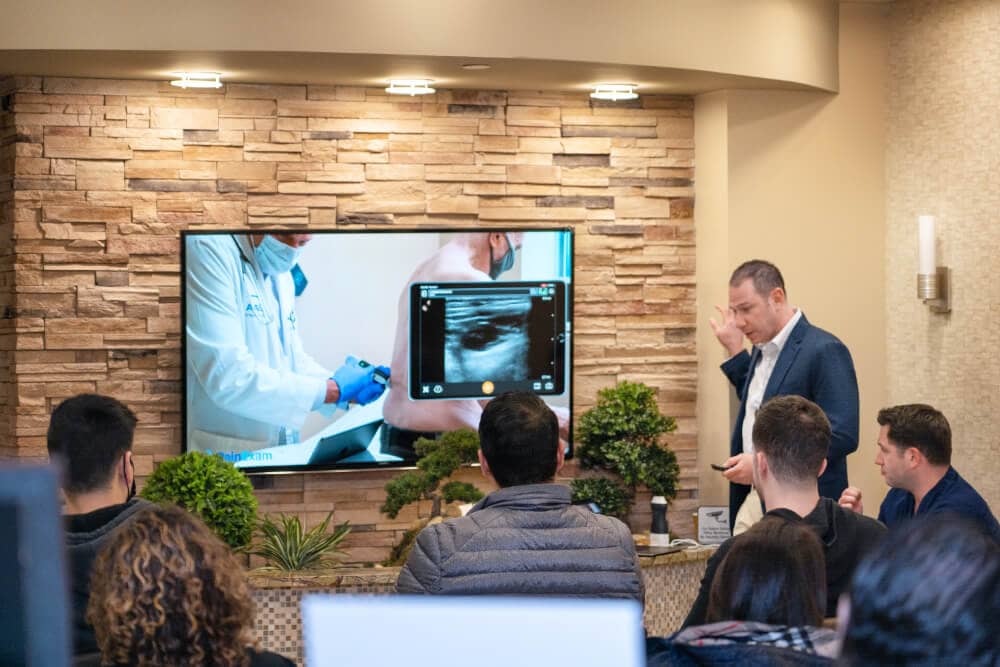
Regional Anesthesia for Outpatient Surgery: Enhancing Recovery and Reducing Opioids
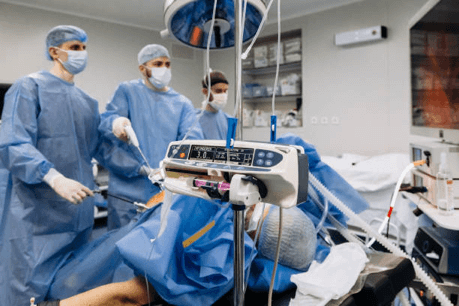
In the evolving landscape of outpatient surgery, regional anesthesia for day surgery has emerged as a cornerstone for improving patient outcomes and streamlining recovery. At the NRAP Academy, we champion the use of regional anesthesia (RA) techniques to enhance recovery, minimize opioid use, and support fast-tracking in ambulatory surgical centers. This article explores how RA transforms outpatient surgical pathways, offering benefits for patients, surgeons, and healthcare facilities.
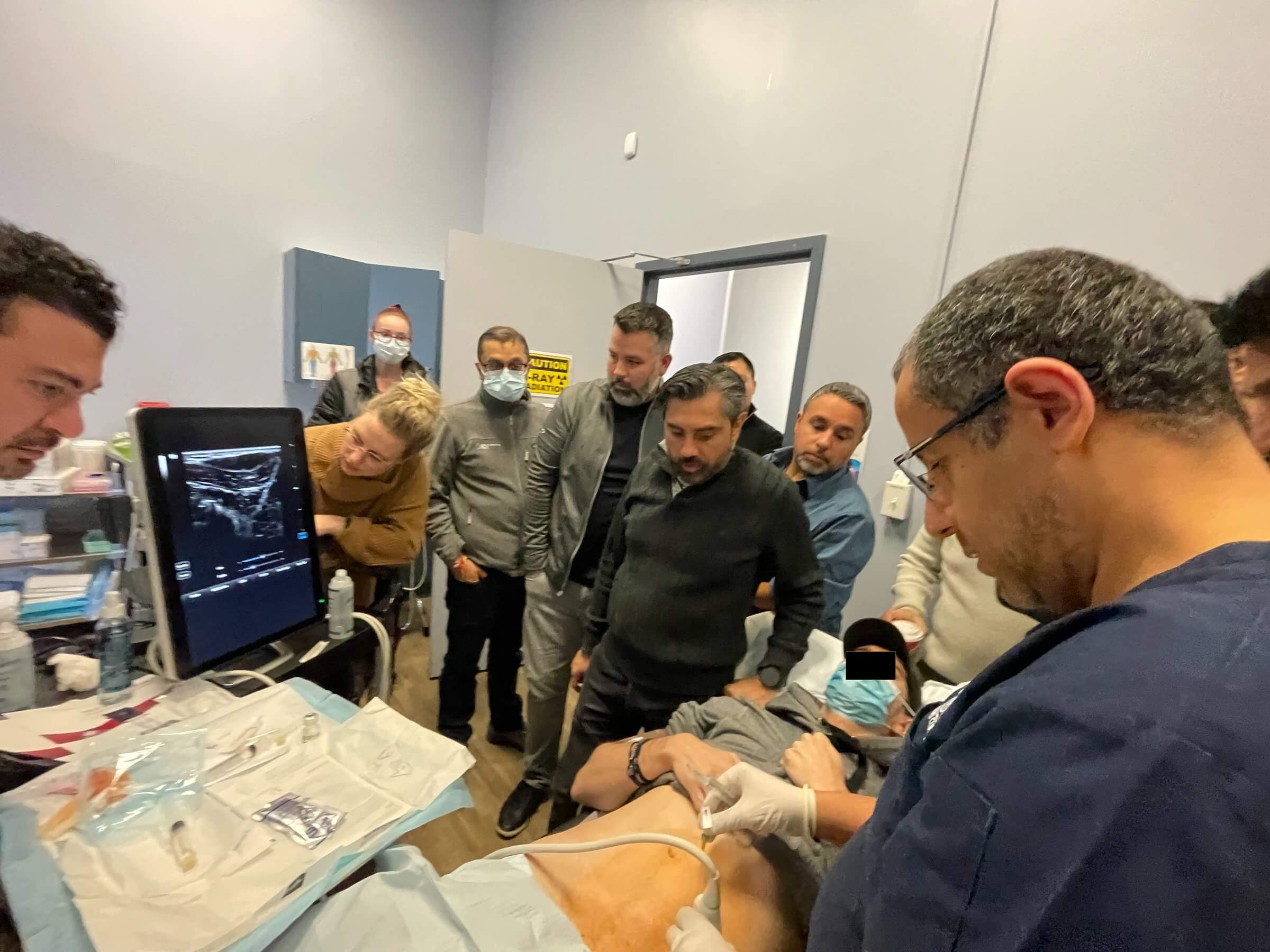 Get Trained!
 The Rise of Regional Anesthesia for Outpatient Surgery
Outpatient surgery, also known as day surgery, is increasingly popular due to its cost-effectiveness and convenience. However, ensuring rapid recovery while maintaining patient comfort is critical. Regional anesthesia for day surgery provides targeted pain relief by numbing specific areas of the body, allowing patients to avoid the systemic effects of general anesthesia. Techniques such as peripheral nerve blocks and neuraxial anesthesia are tailored to same-day procedures, enabling faster recovery and discharge.
Why Regional Anesthesia for Outpatient Surgery is Ideal for Ambulatory Settings
Unlike general anesthesia, which affects the entire body and often leads to grogginess or nausea, Regional Anesthesia focuses on pain control. This precision reduces postoperative complications and supports fast-tracking with RA, allowing patients to bypass prolonged recovery phases. By integrating RA into outpatient protocols, ambulatory centers can enhance patient satisfaction and optimize resource utilization.
Benefits of Regional Anesthesia for Outpatient Surgery
The advantages of RA extend beyond pain management, impacting recovery speed, opioid reliance, and overall patient experience. Here’s why RA is a game-changer for outpatient surgery:
- Enhanced Recovery: RA minimizes systemic side effects, enabling quicker return to normal function.
- Opioid Reduction: Targeted pain relief reduces the need for postoperative narcotics.
- Cost Efficiency: Faster recovery and discharge lower facility costs and improve turnover.
- Improved Safety: RA has a lower risk of complications compared to general anesthesia.
Key Regional Anesthesia for Outpatient Surgery Techniques
Various RA techniques are employed in day surgery, each suited to specific procedures and patient needs. Below is a summary of common approaches:
Technique | Application | Benefits |
Peripheral Nerve Blocks | Orthopedic, hand, or foot surgeries | Precise pain control, minimal sedation |
Spinal Anesthesia | Lower abdominal or urologic procedures | Rapid onset, short recovery time |
Epidural Anesthesia | Select outpatient procedures | Adjustable pain relief, prolonged effect |
Local Infiltration | Minor soft tissue surgeries | Simple, effective for small procedures |
Who Benefits from Regional Anesthesia for Outpatient Surgery?
RA is particularly valuable for a wide range of outpatient procedures, including orthopedic, urologic, and minor soft tissue surgeries. It benefits:
- Patients: Those seeking minimal downtime and reduced opioid use.
- Surgeons: Professionals aiming for precise pain management and faster patient turnover.
- Ambulatory Centers: Facilities focused on efficient discharge criteria and high patient satisfaction.
- Anesthesiologists: Specialists leveraging RA to enhance procedural safety and outcomes.
Enhancing Patient Experience with Regional Anesthesia for Outpatient Surgery
Patients undergoing day surgery often prioritize quick recovery and minimal discomfort. RA delivers post-op analgesia that is both effective and long-lasting, reducing the need for additional pain medications. For example, a patient receiving a brachial plexus block for hand surgery can resume normal activities sooner, with less reliance on opioids, aligning with opioid reduction goals.
How RA Supports Fast-Tracking in Outpatient Surgery
Fast-tracking with RA refers to the streamlined process of moving patients from surgery to discharge with minimal recovery time. RA facilitates this by reducing postoperative nausea, vomiting, and cognitive dysfunction, which are common with general anesthesia. By using same-day surgery blocks, such as femoral or sciatic nerve blocks, patients can achieve pain control that lasts hours, enabling them to meet discharge criteria faster.
The Role of RA in Opioid Reduction
The opioid crisis has underscored the need for alternative pain management strategies. RA offers a powerful solution by providing targeted analgesia that minimizes or eliminates the need for narcotics. For instance, a patient undergoing knee arthroscopy with a femoral nerve block may require no opioids post-surgery, reducing risks of dependency and side effects like constipation or drowsiness.
Implementing RA in Ambulatory Surgical Centers
To maximize the benefits of RA, ambulatory centers must integrate it into their surgical pathways. Key steps include:
- Training Staff: Ensure anesthesiologists and surgical teams are skilled in RA techniques.
- Patient Education: Inform patients about RA’s benefits, such as faster recovery and opioid reduction.
- Protocol Development: Establish standardized RA protocols for common outpatient procedures.
- Monitoring Outcomes: Track metrics like recovery time, patient satisfaction, and opioid use to refine practices.
Overcoming Challenges in RA Adoption
While RA is highly effective, challenges such as provider training, patient apprehension, and equipment costs can arise. Ambulatory centers can address these by:
- Investing in ultrasound-guided RA for precision and safety.
- Offering patient-centered education to alleviate fears about nerve blocks.
- Partnering with organizations like NRAP ACADEMY for training and resources.
Evidence Supporting RA in Outpatient Surgery
Research highlights the efficacy of RA in day surgery. Studies show that patients receiving peripheral nerve blocks experience:
- Up to 50% reduction in postoperative opioid consumption.
- 30–40% faster recovery times compared to general anesthesia.
- Higher satisfaction scores due to reduced pain and side effects.
These findings underscore RA’s role in improving outcomes and aligning with modern healthcare’s focus on value-based care.
Case Study: RA in Orthopedic Day Surgery
Consider a patient undergoing outpatient shoulder arthroscopy. A supraclavicular nerve block provides 12–18 hours of pain relief, allowing the patient to return home within hours. Compared to general anesthesia, this approach reduces recovery room time by 25% and eliminates the need for opioid prescriptions, demonstrating the power of same-day surgery blocks.
Why Choose NRAP ACADEMY for Regional Anesthesia Training?
At NRAP ACADEMY, we provide resources, training, and support for ambulatory centers adopting Regional Anesthesia. Our mission is to advance pain management and recovery through evidence-based practices. By partnering with NRAP ACADEMY, surgical units can access:
- Expert-led workshops on RA techniques.
- Guidelines for integrating RA into outpatient pathways.
- Tools to educate patients and staff on RA benefits.
Transforming Outpatient Surgery with RA
Regional anesthesia for day surgery is revolutionizing ambulatory care by enhancing recovery, reducing opioid reliance, and improving patient outcomes. By incorporating RA into surgical pathways, ambulatory centers can achieve faster turnovers, higher patient satisfaction, and alignment with HR onboarding best practices for efficient operations. Visit NRAP ACADEMY to learn how our resources can help your facility implement RA and elevate outpatient care.
Take the Next Step with NRAP ACADEMY
Ready to transform your outpatient surgical pathways? Explore NRAP ACADEMY’s training programs and guidelines at www.nrappain.org. Empower your team to deliver exceptional care with regional anesthesia for day surgery, and join the movement toward safer, faster, and opioid-sparing recoveries.
Frequently Asked Questions
What is regional anesthesia for day surgery?
RA involves numbing specific areas of the body using techniques like nerve blocks or spinal anesthesia, ideal for outpatient procedures due to its targeted pain relief and faster recovery.
How does RA reduce opioid use?
By providing long-lasting post-op analgesia, RA minimizes or eliminates the need for narcotic pain medications, reducing risks of dependency and side effects.
Which procedures benefit from RA?
Orthopedic, urologic, and minor soft tissue surgeries are well-suited for RA, particularly those requiring same-day discharge.
How does RA support fast-tracking?
RA reduces postoperative complications, enabling patients to meet discharge criteria faster and return to normal activities sooner.