Continuing education is essential for physicians who want to stay current with the latest advances in pain medicine. As new research, treatment techniques, technologies, and clinical guidelines continue to evolve, attending pain management conferences provides valuable opportunities to expand clinical knowledge, improve procedural skills, and connect with experts across the specialty.
Conferences offer much more than educational lectures. They allow physicians to participate in hands-on workshops, review emerging research, discuss complex clinical cases, explore new technologies, and build professional relationships with colleagues from around the world. Whether you are early in your career or an experienced pain specialist, attending professional meetings supports lifelong learning and continued clinical excellence.
In this guide, we will discuss why pain management conferences are valuable, what to look for when selecting one, and how physicians can maximize the educational benefits of attending.
Why Pain Management Conferences Matter
Pain medicine is a rapidly changing specialty. Advances in interventional procedures, regenerative medicine, neuromodulation, pharmacologic therapies, rehabilitation strategies, and multidisciplinary care require physicians to continually update their knowledge. Conferences provide direct access to the latest evidence while allowing participants to learn from experienced clinicians and researchers.
Attending educational meetings helps physicians strengthen clinical decision-making and remain informed about best practices. Continuous education ultimately supports better patient care.
Benefits of Attending Conferences
Professional conferences provide several educational advantages beyond traditional classroom learning. Physicians gain exposure to current clinical research, treatment guidelines, procedural demonstrations, panel discussions, and expert perspectives on challenging patient cases. Educational sessions often address practical issues that physicians encounter in everyday clinical practice.
Networking opportunities also allow participants to exchange ideas with colleagues, faculty members, researchers, and industry professionals. These interactions often continue well beyond the conference itself.
Learn About Emerging Treatment Options
Pain management continues to introduce innovative therapies. Many conferences highlight new developments in minimally invasive procedures, spinal interventions, regenerative medicine, neuromodulation technologies, ultrasound-guided techniques, cancer pain management, and multidisciplinary treatment models.
Learning about emerging treatment options helps physicians evaluate how new approaches may fit within evidence-based clinical practice. Keeping current with innovation supports informed treatment decisions.
Strengthen Procedural Skills
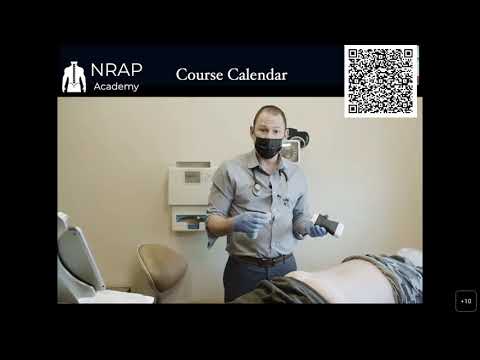
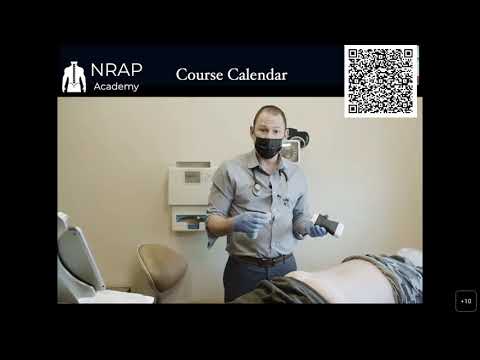
Many pain management conferences include practical workshops designed to improve technical proficiency. Hands-on educational sessions may provide instruction in fluoroscopy, ultrasound-guided procedures, anatomy review, image interpretation, spinal interventions, peripheral nerve procedures, and simulation-based learning.
Practical training complements clinical experience by allowing physicians to refine procedural techniques under expert guidance. Hands-on education often improves both confidence and technical accuracy.
Stay Current With Clinical Research
Medical research continues to influence standards of care. Conference presentations often feature newly published studies, ongoing clinical trials, updated practice guidelines, and evidence-based treatment recommendations. Researchers frequently present findings before they become widely incorporated into textbooks or educational materials.
Early exposure to current research helps physicians make informed decisions based on the latest available evidence. Research presentations encourage critical evaluation of evolving treatment strategies.
Earn Continuing Medical Education Credits
Many CME conferences allow physicians to earn continuing medical education credits while expanding their clinical knowledge. Participating in accredited educational sessions helps physicians maintain professional development while satisfying licensing, credentialing, hospital privilege, or certification requirements where applicable.
Combining education with required CME credit makes conference participation a valuable investment. Professional learning and regulatory compliance often go hand in hand.
Network With Industry Leaders
Professional relationships are an important part of career development. Conferences provide opportunities to interact with experienced physicians, educators, researchers, healthcare administrators, and multidisciplinary specialists. Informal discussions often lead to mentorship, collaborative research, educational partnerships, and career opportunities.
Networking also allows physicians to exchange practical experiences and learn how colleagues approach complex clinical challenges. Professional collaboration contributes to continuous improvement across the specialty.
Explore New Technologies
Medical technology continues to transform pain management. Conference exhibit halls often showcase the latest imaging systems, procedural equipment, neuromodulation devices, rehabilitation technologies, software solutions, and educational resources.
Exploring new technologies allows physicians to better understand available treatment options before integrating them into clinical practice. Hands-on demonstrations often provide valuable insight into practical implementation.
Participate in Case Discussions
Case-based learning remains one of the most effective educational methods. Many conference sessions involve interactive discussions where faculty review complex patient cases, treatment decisions, procedural planning, and long-term management strategies.
These discussions expose physicians to different clinical perspectives while reinforcing evidence-based decision-making. Learning through real-world examples improves practical understanding.
Build Long-Term Professional Development
Attending conferences regularly supports lifelong learning. Physicians who participate in ongoing educational events often remain more informed about changing guidelines, evolving technologies, and best practices throughout their careers.
Professional development extends beyond acquiring knowledge. It also strengthens communication, leadership, teaching, and collaborative skills. Long-term learning contributes to continued clinical excellence.
How to Choose the Right Conference
Not every conference will meet the same educational needs. When evaluating pain management conferences, physicians should consider accreditation, faculty expertise, educational objectives, procedural workshops, research presentations, networking opportunities, conference size, and relevance to their clinical practice.
Reviewing the conference agenda before registering helps ensure the program aligns with your professional interests and educational goals. Selecting the right event maximizes both learning and professional value.
Top Pain Management Conferences to Consider
Physicians looking for high-quality educational opportunities can consider several leading pain medicine conferences and annual meetings held throughout the year. These events bring together physicians, researchers, educators, and other healthcare professionals to discuss advances in pain management, interventional procedures, neuromodulation, research, and patient care.
Some of the leading pain management conferences include:
ASPN PAIN – The American Society of Pain and Neuroscience annual meeting focuses on advances in pain and neuroscience, including emerging treatments, neuromodulation, and hands-on education.
ISPN Annual Conference – The International Society of Pain and Neuroscience brings together specialists in pain and neuroscience for education, research, and discussion of emerging therapies.
NANS Annual Meeting – The North American Neuromodulation Society Annual Meeting highlights the latest research, technologies, and clinical advances in neuromodulation.
NYNJ Pain Congress – The New York & New Jersey Pain Congress provides educational opportunities covering evolving pain therapies, interventional pain medicine, neuromodulation, and other areas of pain care.
EPA Congress – The European Pain Federation Congress, also known as Pain in Europe, is a major European meeting covering pain science, pain medicine, research, and clinical practice.
LAPS Congress – The Latin American Pain Society Congress brings together pain specialists from across Latin America and beyond, with educational sessions and workshops covering areas such as regenerative medicine, ultrasound, and interventional pain management.
IASP World Congress on Pain – The International Association for the Study of Pain World Congress is a major global gathering for pain professionals, featuring research presentations, workshops, plenary sessions, and the latest developments in pain management and pain science.
ASIPP Annual Meeting – The American Society of Interventional Pain Physicians Annual Meeting focuses on interventional pain management, regenerative medicine, minimally invasive procedures, neuromodulation, and other developments in the specialty.
When selecting among these pain management conferences, physicians should consider their clinical interests, educational goals, CME requirements, and the specific procedures or treatment areas they want to explore. Attending a combination of national and international meetings can also provide broader exposure to new research, technologies, and approaches to patient care.
Making the Most of Your Conference Experience
Preparation enhances the educational benefits of attending a conference. Review the session schedule in advance, identify lectures most relevant to your practice, participate in workshops, ask questions during presentations, and connect with faculty and fellow attendees whenever possible.
Taking detailed notes and reviewing key learning points after returning to practice also helps reinforce newly acquired knowledge. Applying new concepts in clinical practice is the true measure of educational success.
Virtual and Hybrid Conferences
Educational opportunities have expanded through digital learning. Many organizations now offer virtual or hybrid conference formats that allow physicians to participate remotely while maintaining access to lectures, recorded sessions, online workshops, and digital networking opportunities.
Virtual education provides flexibility for busy healthcare professionals while increasing access to high-quality educational content. Hybrid learning allows physicians to choose the format that best fits their schedules.
The Future of Pain Management Education
Continuing education will remain essential as pain medicine evolves. Advances in artificial intelligence, precision medicine, regenerative therapies, minimally invasive interventions, digital health technologies, and multidisciplinary care will continue shaping future educational programs.
Physicians who actively pursue continuing education are better prepared to adapt to these developments while maintaining high standards of patient care. Commitment to lifelong learning supports both professional growth and clinical excellence.
Conclusion
Attending pain management conferences provides physicians with valuable opportunities to expand clinical knowledge, strengthen procedural skills, earn CME credits, review emerging research, and build meaningful professional relationships. At NRAP Academy, our high-quality CME conferences and annual meetings offer practical education that supports evidence-based patient care while helping physicians stay current in an increasingly complex specialty.
Whether you are beginning your career or have years of clinical experience, participating in educational conferences remains one of the most effective ways to invest in your professional development. By selecting conferences that align with your clinical interests and long-term goals, physicians can continue improving their expertise while delivering the highest quality care to patients living with pain.
FAQs
Why should physicians attend pain management conferences?
Pain management conferences provide continuing education, exposure to new research, hands-on procedural training, networking opportunities, and updates on evidence-based clinical practices.
Do pain management conferences offer CME credits?
Many conferences provide accredited CME opportunities that help physicians meet continuing education and professional licensing requirements.
Who should attend pain management conferences?
These conferences are beneficial for anesthesiologists, physiatrists, neurologists, orthopedic specialists, primary care physicians, fellows, residents, and other healthcare professionals involved in pain management.
What topics are covered at pain management conferences?
Conference topics often include interventional pain procedures, chronic pain management, neuromodulation, regenerative medicine, ultrasound-guided techniques, rehabilitation, pharmacologic therapies, research updates, and multidisciplinary care.
How do I choose the right pain management conference?
Consider accreditation, faculty expertise, educational content, procedural workshops, research presentations, networking opportunities, and how closely the conference aligns with your clinical practice and professional goals.