Virtual vs In-Person Pain Management Workshops: Which Is Right for You?

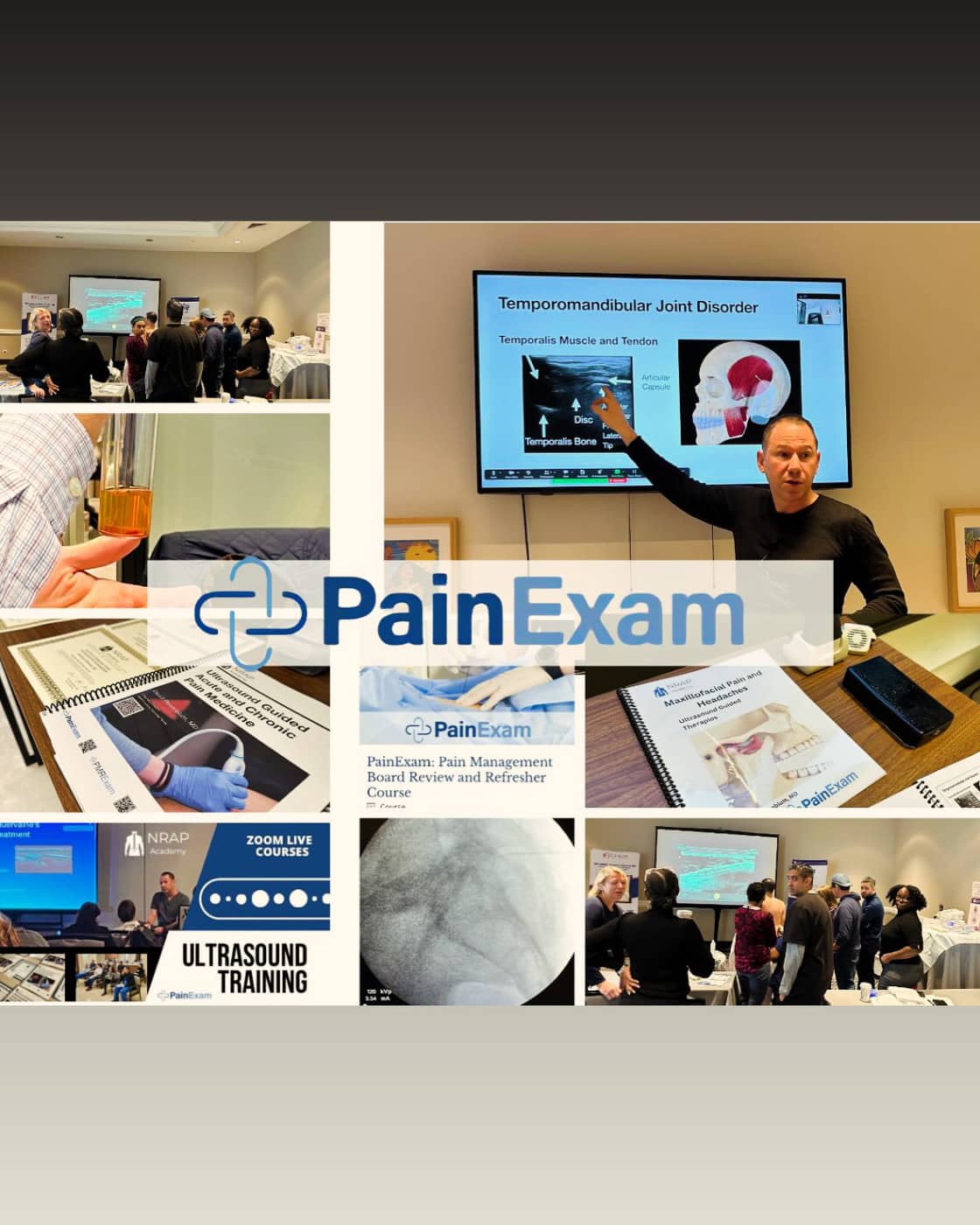
In 2025, pain management education is critical for clinicians navigating new therapies and guidelines. NRAP Pain offers a range of Continuing Medical Education (CME) options, including virtual pain CME, hands-on interventional workshops, and hybrid models, designed to enhance skills in ultrasound-guided procedures and multimodal pain management. Choosing between virtual and in-person formats can shape your learning experience, and this article compares both to help you decide.
 Introduction to Virtual vs In-Person Pain Management Workshops
The landscape of pain management CME is evolving with advancements in non-opioid treatments and interventional techniques. Clinicians face a key decision: virtual vs in-person pain management workshops. Each format offers unique benefits and challenges, impacting how effectively you can apply new skills. This article explores the pros and cons of online pain CME and hands-on pain workshops, highlighting NRAP Pain’s offerings to guide your choice.
The Evolving Landscape of Continuing Medical Education in Pain Medicine
Pain management is advancing with innovations like regenerative therapies and AI-driven diagnostics. CME ensures clinicians stay updated, with virtual and in-person formats catering to diverse needs. The rise of remote CME programs reflects a demand for flexibility, while hands-on workshops remain essential for procedural mastery.
Why Clinicians Must Decide Between Virtual vs In-Person Pain Management Workshop Formats
Your choice affects skill acquisition, patient outcomes, and professional growth. Virtual workshops offer convenience, while in-person sessions provide tactile training critical for procedures like nerve blocks. Understanding these differences ensures alignment with your goals.
What This Article Will Cover: Pros, Cons, and NRAP’s Offerings
We’ll compare formats, detail their advantages and challenges, and explore how NRAP Pain’s programs, including virtual CME and interventional workshops, meet clinicians’ needs with accredited, flexible learning.
 Defining the Formats of Virtual vs In-Person Pain Management Workshops
Understanding the structure of each format clarifies their suitability for your practice.
Virtual Pain Management Workshops (Online Pain CME)
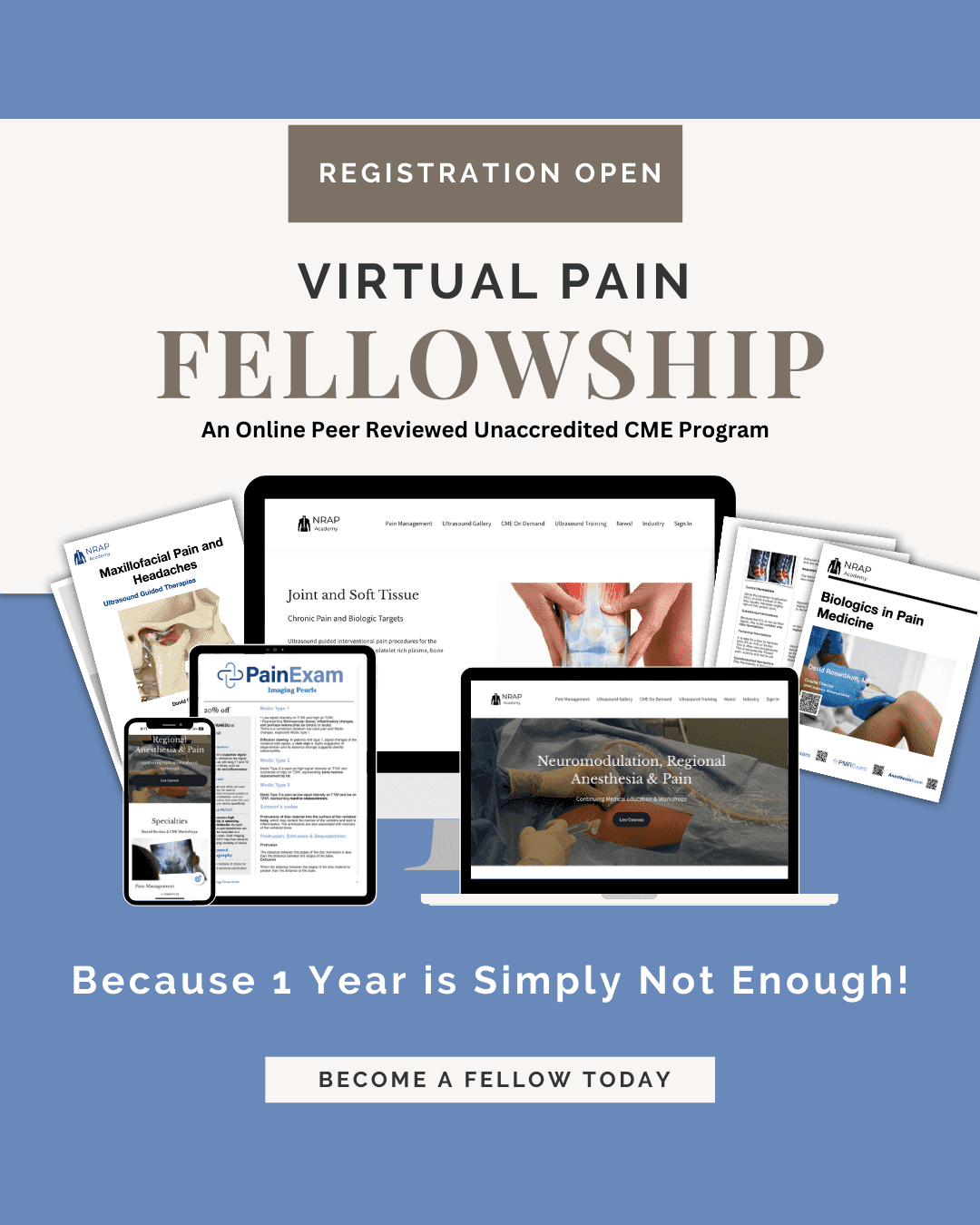
Virtual workshops include webinars, livestreams, and self-paced remote CME programs. These deliver lectures, case studies, and virtual simulations, often accessible via platforms like NRAP Pain’s online portal.
In-Person / Hands-On Pain Workshops
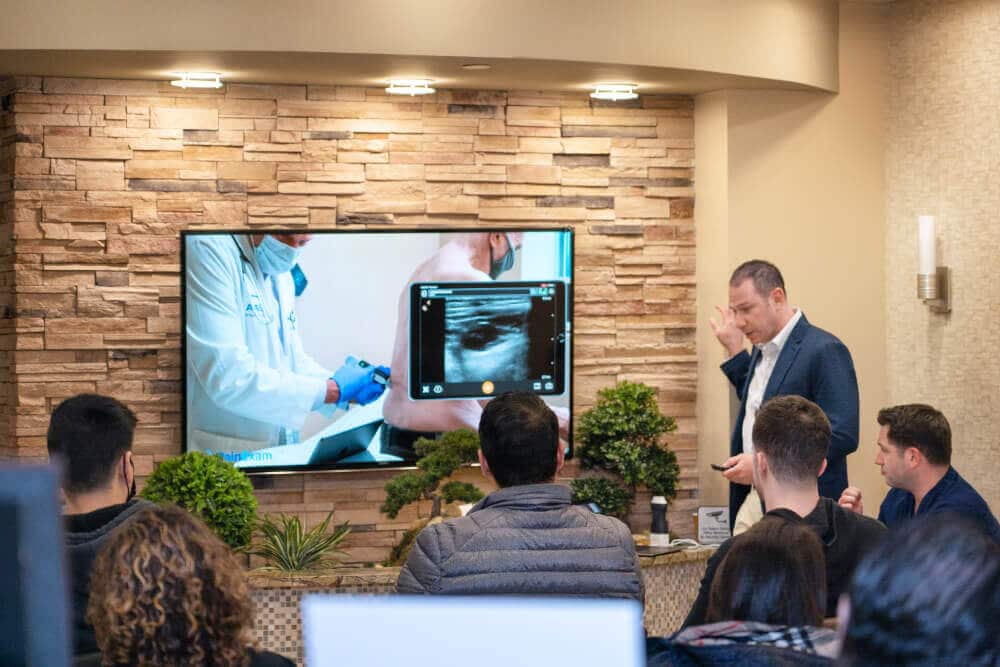
In-person workshops focus on direct skill training through cadaver labs, ultrasound simulations, and live demonstrations, offering real-time feedback for techniques like regional anesthesia.
Pros & Cons of Virtual Workshops
Virtual workshops are increasingly popular, but they come with trade-offs.
Advantages
Online pain CME offers significant benefits for busy clinicians.
- Flexibility: Learn at your own pace, fitting education into tight schedules.
- Cost-Effective: Lower tuition and no travel expenses make it budget-friendly.
- Global Access: Connect with experts worldwide without leaving your clinic.
Challenges
Virtual formats have limitations that may impact learning.
- Limited Hands-On Practice: Lack of physical training hinders procedural skill development.
- Tech Issues: Connectivity problems or platform glitches can disrupt sessions.
- Reduced Interaction: Less peer and faculty engagement may limit networking.
Pros & Cons of In-Person Workshops
Hands-on pain workshops excel in practical training but pose logistical challenges.
Advantages
In-person sessions provide unmatched experiential learning.
- Hands-On Experience: Practice ultrasound-guided injections or nerve blocks in real-time.
- Mentorship: Direct feedback from experts enhances skill precision.
- Networking: Build professional connections with peers and faculty.
Challenges
In-person formats require greater commitment.
- Higher Costs: Tuition, travel, and accommodation increase expenses.
- Time Away: Taking leave from practice can disrupt patient care.
- Limited Availability: Fewer sessions and locations restrict access.

Key Considerations for Clinicians Choosing a Format of Virtual vs In-Person Pain Management Workshops
Evaluate these factors to align your choice with professional needs.
Learning Objectives
Define your goals. Virtual CME suits theoretical updates, like new analgesic guidelines, while hands-on workshops are ideal for mastering interventional techniques.
Accreditation & CME Credit Value
Ensure AMA PRA Category 1 Credits from accredited providers like NRAP Pain, recognized by boards like the American Board of Pain Medicine, to meet licensure requirements.
Faculty & Mentorship
Experienced faculty, as in NRAP Pain’s workshops, ensure quality. In-person settings offer direct mentorship, while virtual Q&A sessions provide remote guidance.
Technology & Resources
Virtual courses need reliable platforms with access to recordings and e-materials. In-person workshops require advanced tools like ultrasound machines for effective training.
Cost & Logistics
Weigh tuition against value. Virtual CME is cheaper, but in-person workshops justify costs with practical skills. Consider travel feasibility and time constraints.
Hybrid Models: Best of Both Worlds
Hybrid models combine online theory with in-person labs, gaining traction for their balance. NRAP Pain’s hybrid programs offer virtual lectures on pain pharmacology paired with hands-on ultrasound training, ensuring comprehensive learning without sacrificing flexibility.
Combining Online Theory + In-Person Labs
Blended formats deliver foundational knowledge online, followed by practical sessions, optimizing time and skill acquisition.
Growing Popularity of Blended Approaches
In 2025, hybrid CME is favored for catering to diverse schedules while maintaining hands-on components critical for interventional pain workshops.
How NRAP Pain / NRAP Academy Offers Both Formats
NRAP Pain provides versatile CME options tailored to pain specialists. Their virtual pain CME includes self-paced modules on board prep and multimodal therapies, while hands-on workshops focus on ultrasound-guided procedures with preceptorship opportunities. Hybrid programs blend both, offering AMA PRA Category 1 Credits and flexible schedules. The PainExam Podcast complements these with expert insights, keeping clinicians updated on 2025 trends.
Decision Guide: Which Format Is Best for You?
Choose based on your priorities with this checklist:
- Virtual: Ideal for busy clinicians needing flexibility, theoretical updates, or global access.
- In-Person: Best for procedural skills, mentorship, or networking goals.
- Hybrid: Suits those balancing theory and practice with moderate time constraints.
- Checklist: Confirm accreditation, align with learning objectives, assess costs, and verify faculty expertise.
Conclusion regarding Virtual vs In-Person Pain Management Workshops
Choosing between virtual vs in-person pain management workshops depends on your goals, schedule, and resources. Virtual CME offers flexibility and affordability, while hands-on workshops provide critical procedural training. Hybrid models balance both, making them a compelling choice for 2025. NRAP Pain’s accredited programs, from online pain CME to interventional workshops, cater to all needs, ensuring you stay at the forefront of pain management. Contact info@nrappain.org to find your ideal format.
Frequently Asked Questions (FAQ)
- What are the main benefits of virtual pain management workshops?
Virtual workshops offer flexibility, lower costs, and global access, ideal for learning new guidelines or theories via remote CME programs. - Why choose in-person pain management workshops?
In-person workshops provide hands-on training, like ultrasound-guided procedures, with direct mentorship and networking opportunities. - How do hybrid CME programs work?
Hybrid models combine online lectures with in-person labs, offering theoretical updates and practical skills, as seen in NRAP Pain’s blended courses. - Are NRAP Pain’s workshops accredited?
Yes, NRAP Pain offers AMA PRA Category 1 Credits, recognized by boards like the American Board of Pain Medicine, ensuring compliance and value. - How do I decide which format suits my practice?
Assess your goals: virtual for flexibility, in-person for procedures, or hybrid for both. Check accreditation, faculty, and logistics to decide.